

Paul Atreides and Chani split hard in new Dune: Part Three trailer
The trailer shows Paul as a ruthless emperor and Chani aligning to take him down, plus fresh IMAX and release-date stakes.
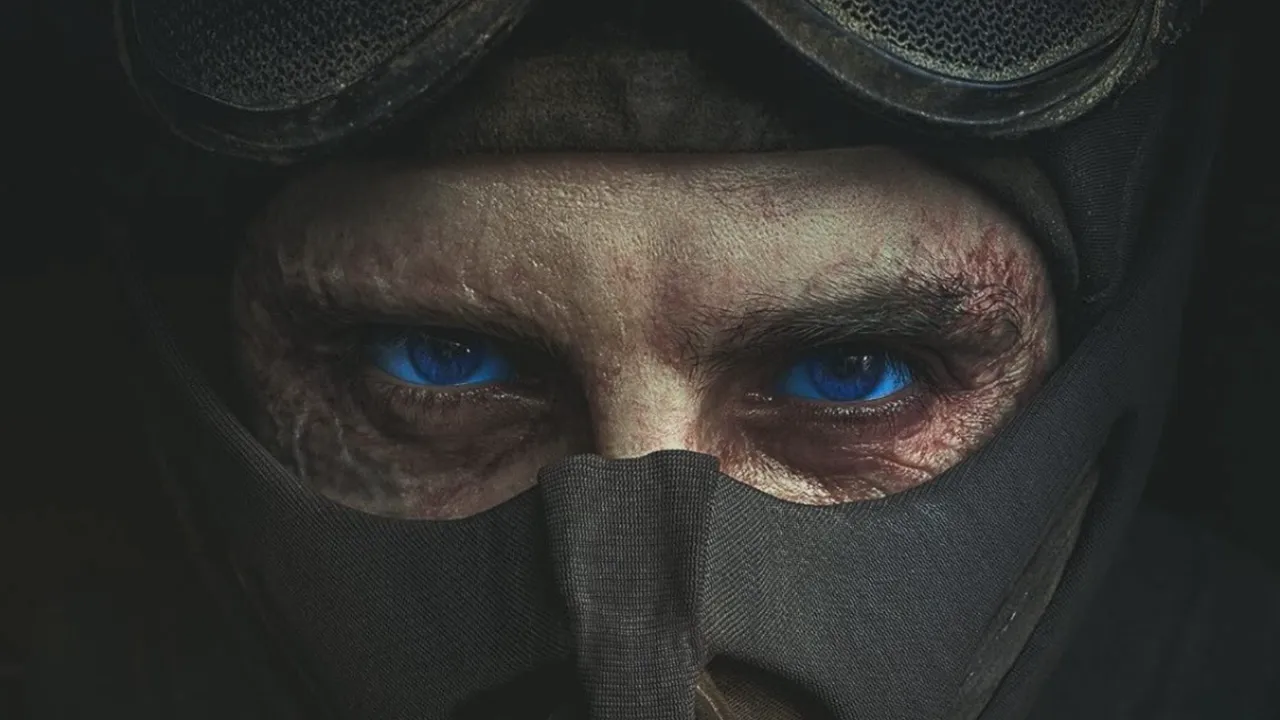
IGN reports the new Dune: Part Three trailer spotlights the rift between Timothee Chalamet's Paul Atreides and Zendaya's Chani. The breakup deepens as Paul becomes a power-corrupted emperor and Chani appears to team up with Robert Pattinson's Scytale to dethrone him.
Dune: Part Three’s newest trailer makes one thing unmissable: Paul Atreides and Chani are no longer fighting on the same side. Set two decades after Dune: Part Two, the story puts Paul (Timothee Chalamet) in an ugly place. He’s corrupted, consumed by power, and now operating as a ruthless emperor with devoted followers. The same leadership that solidifies his throne also alienates the people he once mattered most to, and the trailer frames that betrayal as personal, not political.
Right away, the stakes snap into focus. Chani (Zendaya), rather than standing by Paul, appears to align with Scytale (Robert Pattinson) in an effort to dethrone and kill him. That is the emotional engine of this trailer, and it’s also the narrative bet: this isn’t a generic “bad ruler” arc. It’s a love story getting weaponized from both sides, with Paul becoming the thing he was trying to avoid, and Chani moving toward the kind of choice that only happens after relationships break beyond repair.
The trailer also expands the battlefield in a way that signals how this finale wants to pay off Dune’s obsession with identity and inevitability. Paul faces Hayt, described as a clone of Paul’s former friend, Duncan Idaho (Jason Momoa). In franchise terms, that kind of casting detail matters because it turns familiar legacy into active conflict. Hayt is not just a cameo or a tribute. He is a functional threat in Paul’s world, a living reminder of who Paul used to be and what he lost, now reintroduced in a form that can be used against him.
There’s also a broader reason this rift feels strategically important, even for people who only watch trailers for the vibes. Dune: Part Three is being billed as the “epic conclusion” of this saga, and the source notes that director Denis Villeneuve has expressed zero interest in helming more Dune films. That combination creates a creative constraint and a market incentive. Villeneuve isn’t building something that can sprawl forever. He is aiming for a definitive finale, which can push the story toward tighter resolution, higher emotional finality, and fewer loose ends for audiences to carry into a “maybe we’ll see more later” scenario.
The source also flags an adaptation detail that executives and creators alike will care about: although Dune: Part Three is an adaptation of the novel Dune Messiah, it’s possible Villeneuve will take liberties with this story to make it a definitive finale. That matters because adaptations are rarely one-to-one. When a filmmaker wants a wrap-up, the pressure tends to shift from “faithful recreation” to “clean narrative function.” In other words, expect elements to serve the ending they’re chasing, even if that means the path differs from the book’s exact geometry.
Outside the story itself, the rollout plan reads like careful positioning in the most crowded part of the year. New footage from Dune: Part Three will be attached to 70MM IMAX screenings of The Odyssey next weekend. It’s unclear what will be shown, but the comparison is obvious: the source says this sounds similar to how Christopher Nolan attached an extended sequence from The Odyssey to IMAX screenings of Avatar: Fire and Ash last year. That kind of play has second-order effects beyond marketing polish. It places Dune in front of an audience that is already choosing premium formats, which tends to correlate with higher ticket willingness, higher visibility in theaters, and a more concentrated “must-see” momentum.
And then there’s the box office math, which is where decision-makers start sweating early. Dune: Part Three hits theaters on December 18, 2026, and it will go head to head with Avengers: Doomsday. The source adds that Dune: Part Three will have the benefit of an exclusive IMAX run for an unknown number of weeks. In practical terms, that’s a hedge against opening-week uncertainty: even if the mainstream conversation is dominated by the superhero heavyweight, Dune gets a premium lane where theater operators and audiences are less likely to treat it like a default choice. It’s not just competition, it’s distribution strategy, and IMAX exclusivity can function like a temporary moat while other films chase general screens.
For peers in entertainment, this is a reminder that “audience demand” is only half the battle. The other half is narrative clarity plus release architecture. Dune: Part Three is aiming to close a saga that Villeneuve has no intention of stretching further, while the trailer sells a specific emotional rupture: Paul’s power corruption versus Chani’s decision to help end him. If it lands, the franchise closes with momentum rather than nostalgia. If it misses, the opportunity cost is huge because the plan is to finish, not iterate.
In short: this trailer isn’t just highlighting a dramatic rift. It’s staging a terminal confrontation between love, power, and identity, then stacking it with a premium rollout and a late-year collision against Avengers. For executives watching how theatrical tentpoles actually win in 2026, the subtext is clear: story finality plus smart screen strategy can turn a crowded calendar into an advantage.
This story's Key Insights and Take-aways are locked.
Create a free account to unlock Executive Actions for one credit.
Register to UnlockAlways free for Executives Club members. Join the Club
More in Entertainment

Russell Brand's accuser 'bewildered and confused' as he denies 7 sex charges
The criminal case against the comedian is a live test of how media companies manage talent risk when serious allegations go public.

'It's a Magic Trick': Ballet Experts Say Rosalía's SNL Pose Is Impossible
Three ballet experts tell Rolling Stone Rosalía's gravity-defying SNL stillness shouldn't be possible - and why the debate is now part of the show.

Activision CMO: GTA 6 Will Boost Call of Duty, Not Bury It
Activision's top marketer says Rockstar's blockbuster will drive players back to consoles and into Modern Warfare 4, even as the company admits its recent strategy failed.