

Peacock orders “Dungeon Crawler Carl” straight to series from Seth MacFarlane’s Fuzzy Door
A LitRPG live-action bet signals how streaming is repositioning around built-in IP fandom and genre-first risk.
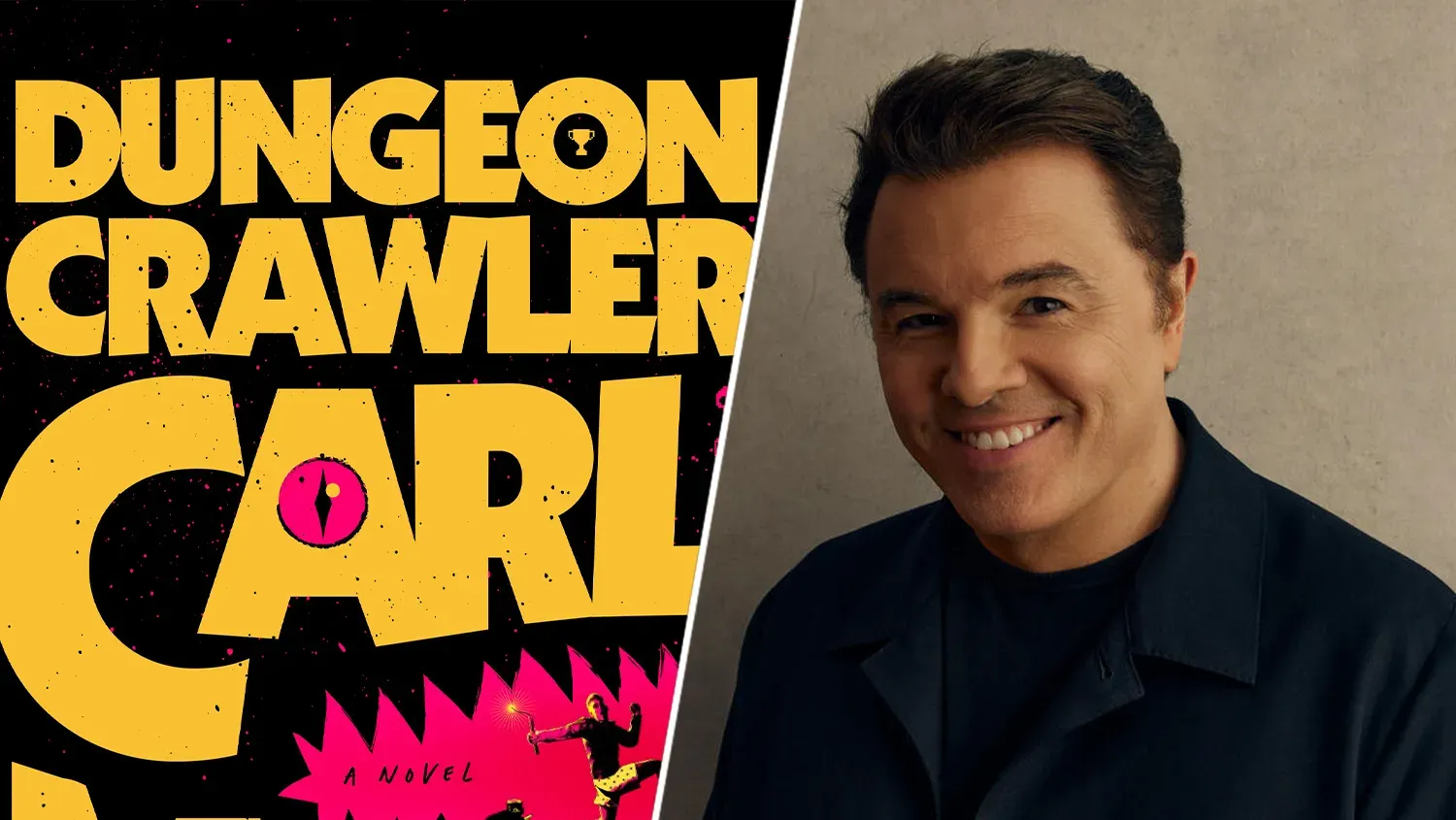
Peacock has given a straight-to-series order to Dungeon Crawler Carl, a live-action adaptation of Matt Dinniman’s LitRPG science fantasy books. The project comes from Seth MacFarlane’s Fuzzy Door and Universal Global Television, with Dinniman serving as co-executive producer.
Peacock has moved fast on Dungeon Crawler Carl, granting a straight-to-series order to a live-action adaptation of Matt Dinniman’s popular LitRPG science fantasy books. This is not the slow, pilot-to-hope approach. It is a direct commitment, which matters because series orders are where streamers are effectively choosing their next tentpole lane.
The deal also clarifies the creative pipeline. The project comes from Seth MacFarlane’s Fuzzy Door and Universal Global Television, and Dinniman, the author, serves as co-executive producer. In other words, Peacock is not just buying a concept. It is anchoring the show in a specific creator ecosystem, where the books already have a readership that understands the rules of the world and the tone of the series.
For decision-makers, the headline signal is the risk profile. Straight-to-series orders concentrate bets. They require confidence that the underlying IP can translate to something that earns attention at scale, not just satisfaction among core fans. LitRPG, as a genre category, is built around game-like mechanics expressed in narrative form. Translating that to live action is a production challenge, but it is also an advantage because it provides a clear “promise” to the audience: this is not a generic fantasy story, it follows a system. When a streamer leans into a genre with a defined audience expectation, it reduces some of the uncertainty that typically comes from inventing a show’s identity from scratch.
Then there is the industrial logic behind the names attached to the project. Seth MacFarlane’s Fuzzy Door is a brand with a track record in animated comedy and a particular sensibility for voice and world-building. Universal Global Television, where the company is based, sits in the mainstream production machinery that streamers rely on to deliver at television quality and schedule discipline. The combination tells you Peacock is treating Dungeon Crawler Carl as a serious production, not a niche experiment. When a streamer routes a property through both a creator-led shop and a major studio television unit, it is often because they want both creative specificity and reliable execution.
Matt Dinniman’s role as co-executive producer is another piece of the incentive puzzle. Authors involved at the executive level can help preserve the core feel of the books, particularly in stories where the “rules” of the world are part of the fun. For Peacock, that can mean fewer costly rewrites late in development and fewer surprises in how fans interpret adaptation decisions. For Dinniman, it is also a leverage point: being co-executive producer signals the adaptation is not purely interpretive. It is intended to remain tethered to the source material’s identity.
Second-order, this kind of order can intensify competition around streamer strategy. Straight-to-series moves often trigger a domino effect across the industry because they confirm which executives believe certain genres and fandom-driven IP are worth prioritizing now. For boards and senior leadership teams, the practical question is not just “will this show work,” it is “what does it mean for the next slate.” When Peacock invests in a LitRPG live-action adaptation from Fuzzy Door and Universal Global Television, it is effectively telling the market that built-in audiences, genre clarity, and creator alignment are the ingredients being selected for scale.
There is also a broader context in how streaming companies manage programming risk. Traditional TV development is expensive, and pilots are uncertain. Development pipelines can stretch timelines while market conditions shift. Direct orders can compress that. They can also raise internal pressure because the organization has already committed resources. So the upside for Peacock is speed and focus. The downside is less optionality if the project needs major course correction. That is why the author’s executive involvement and the recognizable production entities matter. They function as confidence multipliers, at least on paper.
Ultimately, the strategic stakes for peers are straightforward. If Dungeon Crawler Carl lands, it becomes a proof point that mainstream live action can successfully carry an IP format built from game-inspired storytelling. If it misses, it becomes a cautionary tale about genre translation and the limits of fandom-driven demand. Either way, Peacock’s straight-to-series decision, with Seth MacFarlane’s Fuzzy Door and Universal Global Television involved, is a clear statement: the next era of streaming bets will not just be about “originals” or “franchises.” It will be about which teams can operationalize beloved, rule-based worlds into compelling television.
This story's Key Insights and Take-aways are locked.
Create a free account to unlock Executive Actions for one credit.
Register to UnlockAlways free for Executives Club members. Join the Club
More in Entertainment

Russell Brand's accuser 'bewildered and confused' as he denies 7 sex charges
The criminal case against the comedian is a live test of how media companies manage talent risk when serious allegations go public.

'It's a Magic Trick': Ballet Experts Say Rosalía's SNL Pose Is Impossible
Three ballet experts tell Rolling Stone Rosalía's gravity-defying SNL stillness shouldn't be possible - and why the debate is now part of the show.

Activision CMO: GTA 6 Will Boost Call of Duty, Not Bury It
Activision's top marketer says Rockstar's blockbuster will drive players back to consoles and into Modern Warfare 4, even as the company admits its recent strategy failed.