
Pentagon breakdown is real. The fix depends on Congress, not generals
A trillion-dollar failure narrative points to Congress as the only credible lever for repairing incentives, oversight, and procurement.
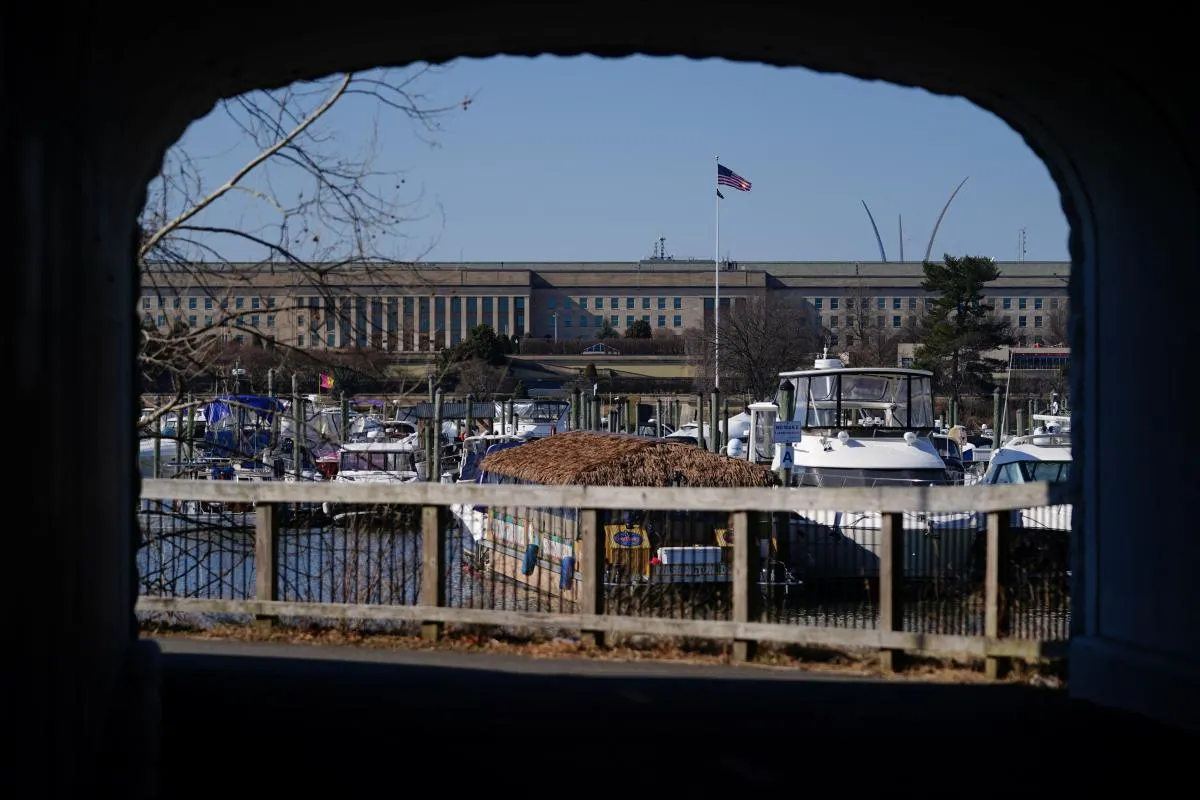
Foreign Affairs frames the Pentagon as broken and argues Congress can fix it. For decision-makers, the implication is blunt: without legislative and oversight changes, budget scale will keep producing dysfunction.
Foreign Affairs does not beat around the bush: America’s defense establishment is broken, and the “trillion-dollar” scale of the problem is not an abstract headline. It is the result of how the Pentagon operates when incentives, oversight, and accountability fail to line up. The argument matters because “fixing defense” is not mainly a technical challenge for commanders. It is a governance and decision-rights problem that lives in Washington.
So the first key idea in this piece is also the most actionable one. The Pentagon can be broken, and still Congress has the ability to fix it. That sounds like a slogan until you connect it to how major defense systems get funded, approved, and delivered. The Pentagon buys through long procurement timelines, complex contracting, and layers of review. In theory, that structure reduces risk. In practice, when incentives reward speed to obligation over performance outcomes, and when oversight cannot reliably translate failures into consequences, the system can keep spending at massive scale while outcomes lag behind.
This is where the trillion-dollar framing earns its weight. When budgets are that large, small process failures stop being “small.” They become institutional. They show up as cost growth, schedule slippage, and capability gaps that persist long enough to become normal. That is the second-order problem: dysfunction becomes durable. Programs do not just fail once. They fail repeatedly unless decision-makers change the rules that govern program starts, continued funding, and off-ramps.
Congress is positioned as the fix not because lawmakers are operating the defense machine, but because they control the scaffolding. Appropriations, authorizations, reporting requirements, and oversight pressure shape what the Pentagon is allowed to prioritize, what it must document, and what happens when expectations are missed. In other words, Congress sets the constraints and the scoreboard. If the scoreboard measures different things than performance outcomes, the organization will respond accordingly. The Pentagon can then look “busy” while still not delivering results that match the spending.
There is also an incentive angle that matters for boards and executives, even outside defense. When accountability is blurry, organizations optimize for compliance rather than outcomes. Procurement systems are particularly vulnerable because they involve vendors, subcontractors, program managers, and multiple internal reviewers. Each step can create friction, but it can also create cover. If nothing in the incentive system makes it costly to keep poor-performing programs alive, then internal processes become a way to move paperwork forward, not to force tradeoffs toward mission success.
Foreign Affairs’ framing implicitly highlights that oversight must be credible. A broken Pentagon is not just a matter of more oversight on paper. It is a matter of oversight that changes what leadership can get away with. If Congress cannot or will not impose consequences for persistent failures, then additional hearings and reports become theater. The system adapts. It learns the boundaries of consequence and stays within them, because the long-term risk is that it will pay the price, not the immediate risk that it will disappoint.
For decision-makers, the strategic stake is personal. This is not only about defense contractors. It is about how public institutions behave when they spend trillion-level sums with multi-year uncertainty. If Congress does not reshape incentives and accountability mechanisms, the Pentagon will remain structurally prone to the same kinds of breakdowns, because the underlying governance logic stays intact. The piece essentially argues that the path out of failure runs through legislation and oversight that align spending with outcomes.
And for peers watching from other sectors of complex, regulated procurement, there is a clear lesson. Large organizations do not fail purely because people lack skill. They fail when the system rewards the wrong behaviors and prevents decisive correction. Foreign Affairs’ conclusion points to the uncomfortable truth: the Pentagon is not broken in a way that can be solved by better execution alone. It is broken in a way that requires Congress to use its leverage, because only Congress can rewrite the rules that determine how the Pentagon decides, reports, and pays for results.
This story's Key Insights and Take-aways are locked.
Create a free account to unlock Executive Actions for one credit.
Register to UnlockAlways free for Executives Club members. Join the Club
More in Politics

About 60 world leaders meet in D.C. over a Trump officials' far-left terrorism alert
Why this DC summit matters for policy risk, security budgets, and how governments may reshape enforcement priorities.
Jim Himes grades Trump’s election-security speech, warning lawmakers about the next steps
NPR’s A Martinez talks with the Connecticut Rep. Jim Himes, ranking Democrat on House Intelligence, about what comes after the rhetoric.

Burnham promises a new UK path in Friday speech before taking office next week
A Labour leadership handoff is about to turn into policy direction, starting Friday, right before a prime ministerial switch.