
Perplexity CEO Aravind Srinivas says it will IPO in 2028 no matter what
His CNBC comments set a hard timeline for Perplexity’s public-market push as Anthropic moves toward an IPO.
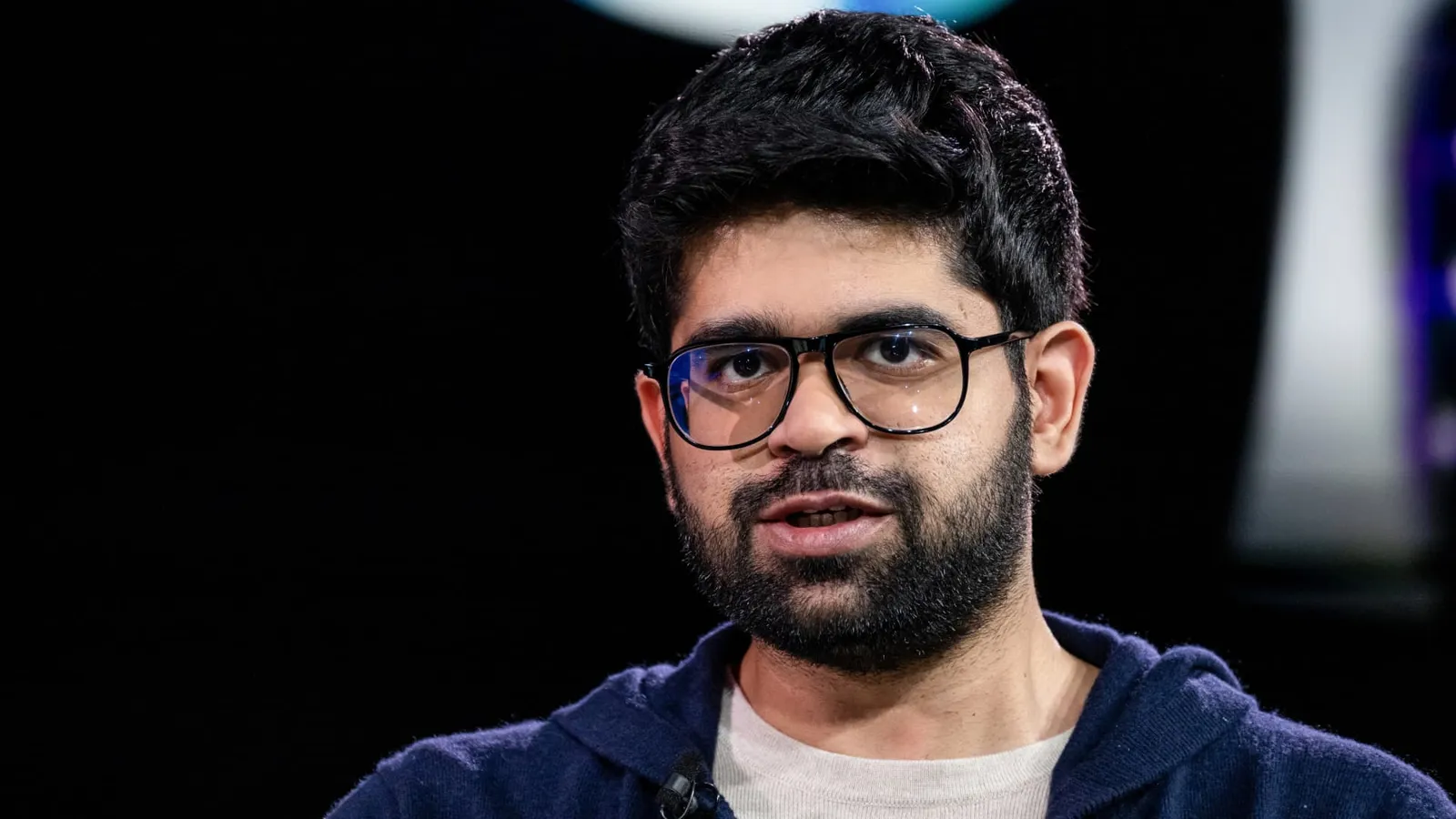
Perplexity CEO Aravind Srinivas told CNBC that Perplexity plans to IPO in 2028 regardless of what happens to Anthropic or OpenAI. The consequence for decision-makers: it frames IPO readiness as a strategic clock, not a market referendum on rival AI models.
Perplexity CEO Aravind Srinivas told CNBC that his company plans to IPO in 2028 no matter what happens to Anthropic or OpenAI. That is the headline moment. It is also the signal: Perplexity is treating the path to public markets like an internal milestone, not something that should flex based on what competitors do next.
The timing matters because Anthropic, one of the other major names in frontier AI, confidentially filed to go public. Confidential filings are not final approvals, and they are not a guarantee of a near-term IPO, but they are a clear step in the usual sequence toward becoming a traded company. In other words, Perplexity’s “2028 no matter what” stance lands in a moment when the AI category is actively pulling capital markets attention, and at least one peer is already advancing on the IPO track.
To understand why this is interesting for executives and boards, you have to zoom out from the companies and look at incentives. IPO timelines are rarely only about ambition. They are about readiness: revenue mix and growth narratives, product traction, governance, financial controls, and the ability to explain performance in language investors understand. When a CEO says an IPO will happen in 2028 regardless of what happens to specific rivals, it implies a belief that Perplexity can keep improving on its own schedule, and that it does not need market sentiment about Anthropic or OpenAI to decide its next corporate step.
This is also a board-level issue. Public-market expectations change quickly, especially in technology categories that can move from hype to skepticism in the time it takes to deliver a model refresh. By setting a fixed target date, leadership can shape internal decision-making: hiring priorities, engineering roadmaps, safety and compliance investments, and how aggressively the company pursues partnerships that might strengthen the investment story. A rigid IPO plan can be a discipline tool, but it can also be a constraint. The “no matter what” phrasing suggests Perplexity’s leadership view the upside of commitment outweighing the risk of being boxed in by external competitors’ moves.
Then there is the regulatory and process context. The mention that Anthropic confidentially filed to go public is a reminder that going public is not a single event. It is a regulatory pathway with stages, timelines, and information requirements. Confidential filings typically allow companies to move through parts of the process while keeping details private for a period. Even without assuming anything about whether the IPO will occur on a particular timetable, it still changes how the market thinks. When an AI heavyweight is in that lane, other players are pressured to ask: are we prepared, are we positioned, and are we aligned to the same investor expectations? Perplexity’s response appears to be, essentially, keep moving forward and stick to the plan.
Second-order implications follow fast when one company publicly anchors itself to a timeline and a peer is already taking IPO steps. Competitors and investors will read it as a strategic posture. For investors, a stated IPO target can influence how they model outcomes and liquidity horizons. For executives at similarly situated AI companies, the message is that the race might not be only about model quality or product adoption. It might also be about corporate agility and how quickly a company can translate technical progress into a public-market narrative.
There is also an unavoidable framing effect. When CNBC reports the CEO’s comments alongside Anthropic’s confidential filing, the story becomes more than two separate corporate updates. It becomes a comparative moment. Anthropic is moving toward public markets. Perplexity is declaring it will do the same in 2028 regardless of what happens to Anthropic or OpenAI. OpenAI is explicitly named in Srinivas’ comments, which underscores that Perplexity’s leadership is willing to anchor its strategy against the gravitational pull of other AI leaders, rather than treating the category’s shifting dynamics as a reason to delay.
For decision-makers, that is the real stakes. If you are on a board, you need clarity on how the company will manage the tension between internal execution and external market timing. If you are a CFO or founder, you need to know what “IPO readiness” means in practice, and you need a plan that survives competitor milestones. If you are an investor, you need to understand whether management will adapt when rivals accelerate. Perplexity’s message to CNBC is that, at least for now, it intends to treat its IPO path as a self-directed process, not a reaction to the IPO roadmaps of Anthropic or OpenAI.
This story's Key Insights and Take-aways are locked.
Create a free account to unlock Executive Actions for one credit.
Register to UnlockAlways free for Executives Club members. Join the Club
More in Technology

OpenAI says 10,000 agents cracked a 90-year math problem in 88 hours
The company's claim is audacious, but one mathematician is pushing back. Here's what it means for AI-driven discovery.
Meta still serves child sexual abuse ads on Instagram in India - BBC report
A new report following the BBC Eye investigation says the ads are still there - what it signals for every platform with a self-serve ad engine.
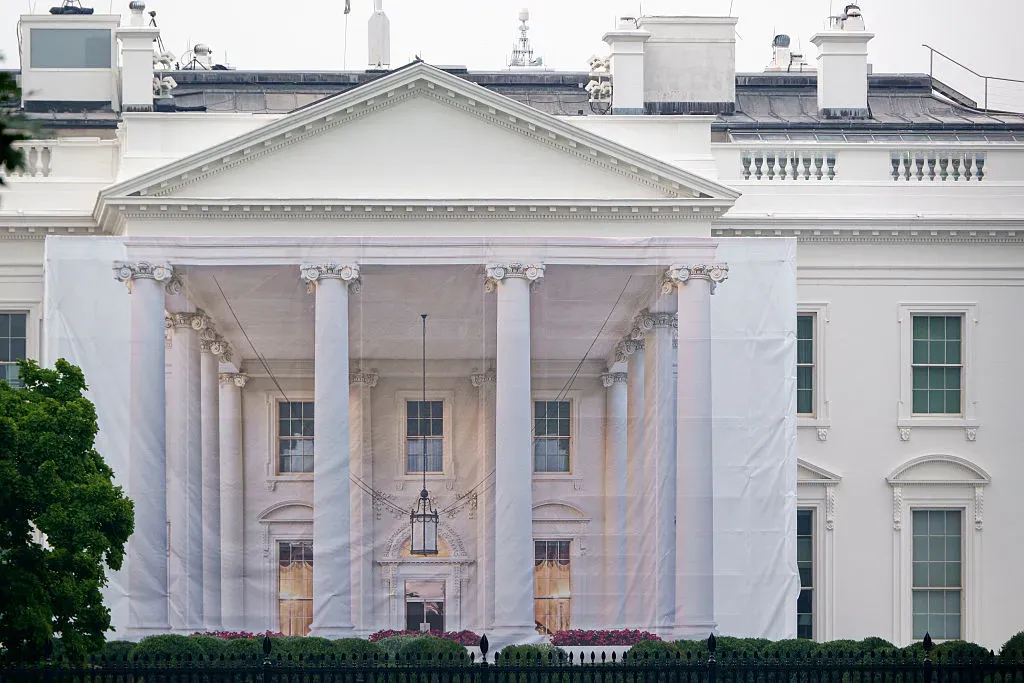
White House yanks 'Build the Wall' game after Tetris Company copyright warning
The administration's arcade game vanished in hours - and the takedown playbook every brand can learn from.