
Peyton Manning’s Omaha Productions expands into women’s sports as Roku unveils new look
Omaha Productions, known for the ManningCast on ESPN, is building a women’s sports lineup with Roku, signaling a shift in where premium sports audiences are won.
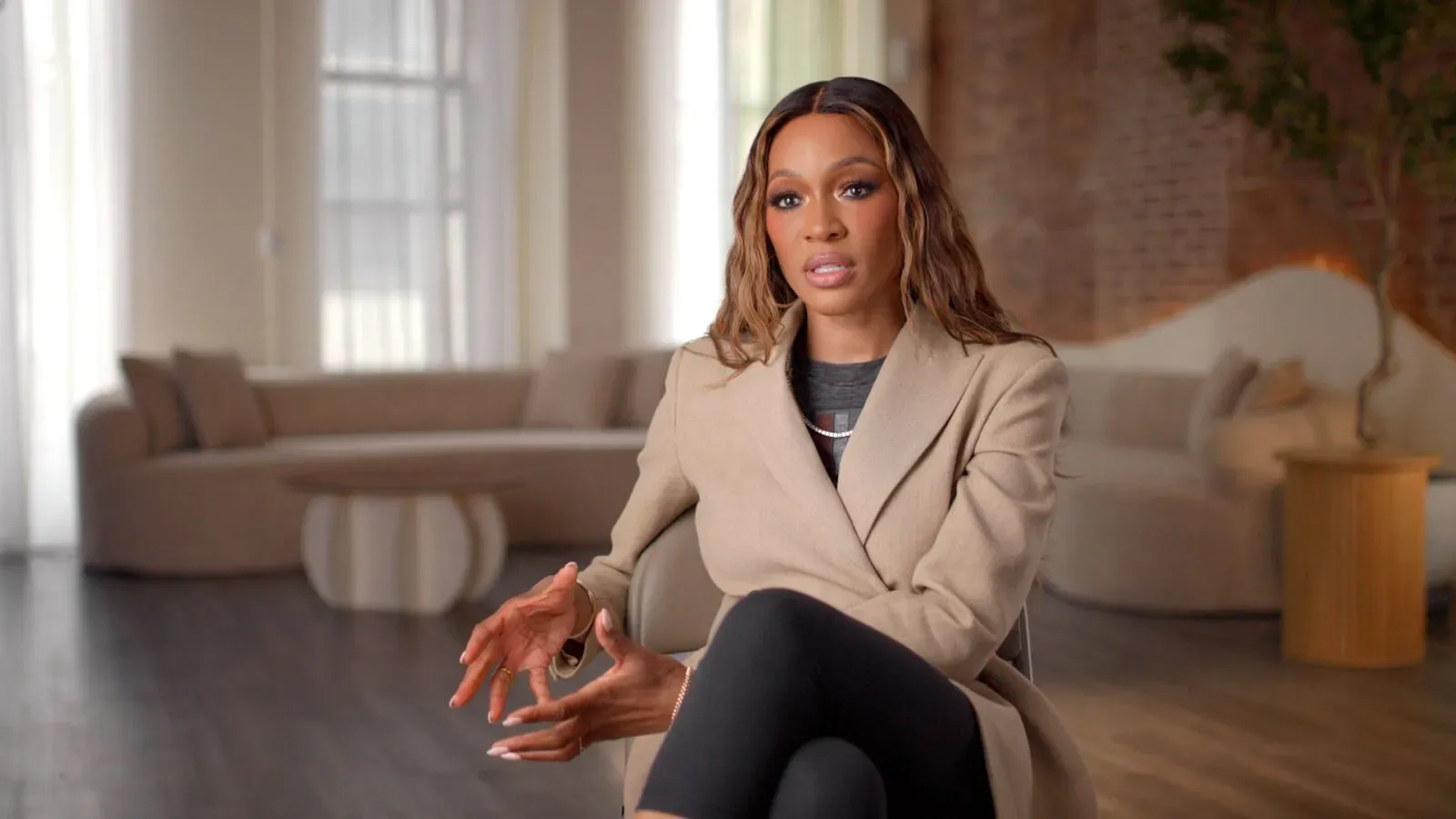
Peyton Manning’s Omaha Productions, best known for programs on ESPN including the ManningCast with Eli Manning, is expanding with a lineup tied to women’s sports as Roku unveils a new look at top female athletes. The move matters to executives because it shows how major media players are reallocating distribution and audience-building energy toward women’s sports programming.
Roku launched a new look at top female athletes on Thursday, and the lineup includes a relative newcomer in the women’s sports media space. Omaha Productions, the company best known for the programs it produces for ESPN, especially the so-called “ManningCast” featuring Peyton Manning and his brother, Eli Manning, is now making inroads into a slate tied to women’s sports.
That detail is more than trivia for sports media people. It is a signal that Omaha Productions is trying to take the audience-building playbook it helped popularize on ESPN and apply it to a category that has been gaining structural attention across streaming platforms. With Roku publicly spotlighting top female athletes as part of its new look, the distribution question becomes urgent for decision-makers: who gets the relationships, the viewing habits, and the programming shelf space that follow.
To understand why this is showing up now, it helps to zoom out on how sports content markets typically behave. Rights and talent remain the core, but distribution increasingly decides who captures the audience. Cable historically offered scale through bundled carriage. Streaming, by contrast, is where discovery and recommendation algorithms can amplify niche content into habit. Roku is not just “launching a look.” It is positioning itself as a platform where sports audiences can be pulled into a broader, more deliberate programming funnel.
Omaha Productions already has a brand that travels. The ManningCast is the shorthand, but the underlying capability is what executives watch for: combining celebrity sports credibility with a format that invites viewers in, not just through the game, but through the conversation around it. ESPN gave Omaha Productions a high-visibility stage, and now the company appears to be extending that momentum into a slate tied to women’s sports through Roku.
For boards and senior operators, this expansion raises the kind of second-order question that matters in media deals: what happens when a studio-like production company pairs its format DNA with a streaming distribution partner? If Omaha Productions can translate attention and engagement from its ESPN audience into a women’s sports audience, the next phase is not just one show or one slate. It becomes recurring leverage in negotiations for future talent access, co-production structures, and platform packaging. In other words, the value is cumulative, and executives think in cumulative terms.
There is also a regulatory and policy lens that always shadows women’s sports expansion. In many jurisdictions, governance of sports programming and participation continues to evolve, and broadcasters and platforms face heightened scrutiny around visibility and opportunities. Even when specific policy requirements do not directly bind every private streaming launch, the reputational stakes are real. When Roku curates a new look at top female athletes, it is making a public bet about market demand and audience relevance. For an executive team, that means partner selection and slate planning cannot look like “support.” It has to look like programming strategy.
The most strategic implication is simple: if major distribution platforms keep investing in women’s sports and production houses with proven mainstream reach keep aligning with them, the competitive center of gravity moves. Executives at both incumbents and disruptors need to ask what this kind of slate expansion changes for their own roadmaps. Does it raise expectations for how quickly content production scales? Does it shift internal budgeting from “test and learn” to “build and retain”? Does it alter how they evaluate platform partnerships, since a Roku launch can function as a visibility multiplier rather than a single-channel outlet?
Omaha Productions’ inroads into a Roku-tied women’s sports slate, anchored by its existing ESPN reputation through the ManningCast, is therefore a watch-item for anyone running media, investing in content, or governing streaming partnerships. It suggests that the next wave of premium sports viewing may not just be about which league is on the banner. It may be about which production partner and distribution platform are teaming up to make women’s sports feel like must-watch, not “emerging.”
This story's Key Insights and Take-aways are locked.
Create a free account to unlock Executive Actions for one credit.
Register to UnlockAlways free for Executives Club members. Join the Club
More in Entertainment

Russell Brand's accuser 'bewildered and confused' as he denies 7 sex charges
The criminal case against the comedian is a live test of how media companies manage talent risk when serious allegations go public.

'It's a Magic Trick': Ballet Experts Say Rosalía's SNL Pose Is Impossible
Three ballet experts tell Rolling Stone Rosalía's gravity-defying SNL stillness shouldn't be possible - and why the debate is now part of the show.

Activision CMO: GTA 6 Will Boost Call of Duty, Not Bury It
Activision's top marketer says Rockstar's blockbuster will drive players back to consoles and into Modern Warfare 4, even as the company admits its recent strategy failed.