
PlayStation’s PS5 rollout struggles: Sony sold 32.1m flagship game copies in 2025
A seven-game reveal tries to reverse a real slide in Sony’s own blockbuster sales from 2018’s peak.
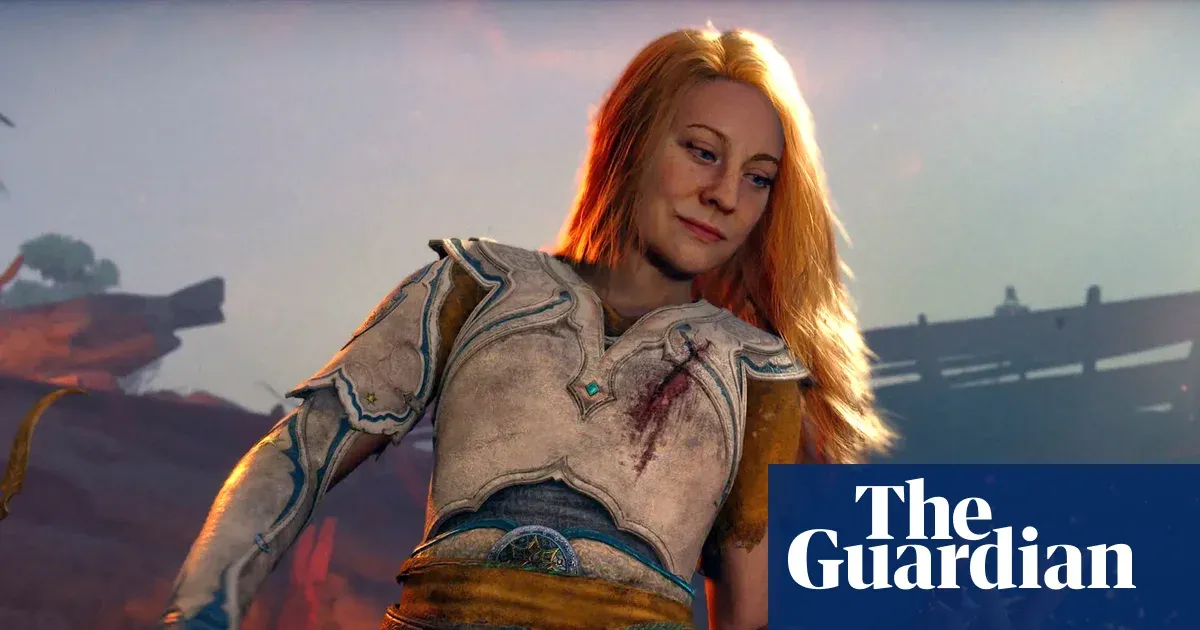
Sony used a PlayStation event on Tuesday to reveal a slate of games aimed at changing the momentum for PS5. For decision-makers, the bigger story is Sony’s shrinking volume of first-party flagship sales, dropping from 54.1m copies in 2018 to 32.1m in 2025.
Sony’s Tuesday PlayStation event came with the usual promise: new games, new momentum, a fresh era. But the backdrop is harder to ignore than any trailer. While the PS5 has been “sold well” and “very profitable,” PlayStation is “far from the runaway market leader it was in the PS2 days.” If you are an investor, a founder, or a board member watching the console space, that mix matters because it turns a product launch into a brand and strategy question, not just a lineup question.
The reason this matters is visible in Sony’s own numbers, summarized by Game File from Sony’s most recent earnings reports. In Sony’s 2018 financial year, about 54.1m copies of games either developed or published by Sony were sold. In 2025, that figure falls to 32.1m. That decline is not a small wobble. It is a structural signal that fewer flagship titles are reaching the kind of peak engagement Sony saw during the pandemic years. So when Sony shows a slate of new releases (from God of War to Until Dawn, among the “seven reveals”), the strategic stake is simple: can it restore first-party blockbuster volume, not just critical hits?
To understand what Sony is trying to fix, you have to separate two things that get mixed in console talk. Sales performance and profitability are not the same as competitive dominance. The PS5 is profitable, but the brand’s competitive “market leader” status has slipped versus the PS2 era. In the PS2 days, PlayStation defined the category more completely. In the PS5 era, it has good games, but the market position looks less automatic. That is why a “slate of games they hope will change that” reads like more than marketing. It is the company trying to punch its way back toward certainty.
Sony has not been short on quality in the PS5 years. The source points to homegrown games such as Astro Bot and Ghost of Yōtei as examples of strong first-party work since the PS5 released in 2020. But the other half of the ledger is expensive. The source notes “expensive and very public failures and cancellations,” and it links those outcomes to PlayStation boss Jim Ryan, who retired in 2024, and his approach. Ryan “placed big bets on live-service games,” and the result was mixed, with the source calling out Helldivers as one of the few that panned out.
That matters because live-service is not just a genre bet. It is a capital allocation model. It typically demands sustained content pipelines, long-running operational investment, and a different set of success metrics than a traditional single-player release. When a few live-service bets work and several do not, the second-order effect is not only missed revenue. It can reshape internal priorities, shift risk tolerance, and alter what gets greenlit next. Even if the PS5 “sold well,” the uncertainty in the portfolio can show up later in how often the company’s flagship titles hit their expected peak audience.
There is another lever in play that the source highlights: timing and platform strategy. Sony “seems to have rolled back on releasing its single-player PS5 games on PC after a polite interval of time.” In plain English, that means Sony is trying to preserve whatever advantage and exclusivity it believes remains in keeping certain games on PlayStation for longer. For decision-makers, this is a trade-off with real consequences. Launch exclusivity can support pricing power, subscription strategy, and brand pull, but it can also reduce total reachable units if the PC audience is not allowed in quickly. Meanwhile, earnings and portfolio trends already suggest Sony is under pressure to rebuild the first-party peak impact it had in earlier years.
Put all of this together, and Sony’s Tuesday reveal becomes a kind of strategic referendum. Not on whether it can ship games. It has shipped games. The question is whether the pipeline can deliver enough “flagship” mass again to close the gap between 54.1m first-party copies sold in 2018 and the 32.1m figure in 2025. That is the kind of delta that boards ask about. It suggests Sony may need a higher hit rate, stronger launch timing discipline, or a portfolio that can reliably produce large audience spikes.
Finally, there is a broader industry angle for peers. The console market is not just technology anymore. It is about ecosystems, media attention, distribution leverage, and the confidence investors and partners have in long-term delivery. Sony’s PS5 era “in some ways disappointing” framing is a reminder that profitability and growth are not the same thing, and that market leadership can erode quietly even when the hardware is selling. For executives at other platform holders, publishers, and even adjacent entertainment companies, the lesson is that the lineup is a business model. If flagship volume keeps slipping, every future reveal becomes a test of whether strategy can turn momentum back into dominance.
This story's Key Insights and Take-aways are locked.
Create a free account to unlock Executive Actions for one credit.
Register to UnlockAlways free for Executives Club members. Join the Club
More in Business

Toyota will debut a superconducting hydrogen car at a 24-hour endurance race
A tech showcase aimed at proving hydrogen durability and performance, with implications for how boards evaluate next-gen powertrains.

Asana says agent fixes must transfer team-wide, or everyone trains a different AI
Asana’s shared memory approach aims to keep corrections from disappearing when the next teammate opens the same tool.
Elon Musk pushes retail to buy $23B of SpaceX shares next week
The plan makes everyday investors central to SpaceX IPO momentum, not just background liquidity.