

Polymarket’s traders flipped over one syllable, and reality got political
A tiny wording dispute ignited a bigger fight over what markets are actually supposed to measure, and why regulators care.
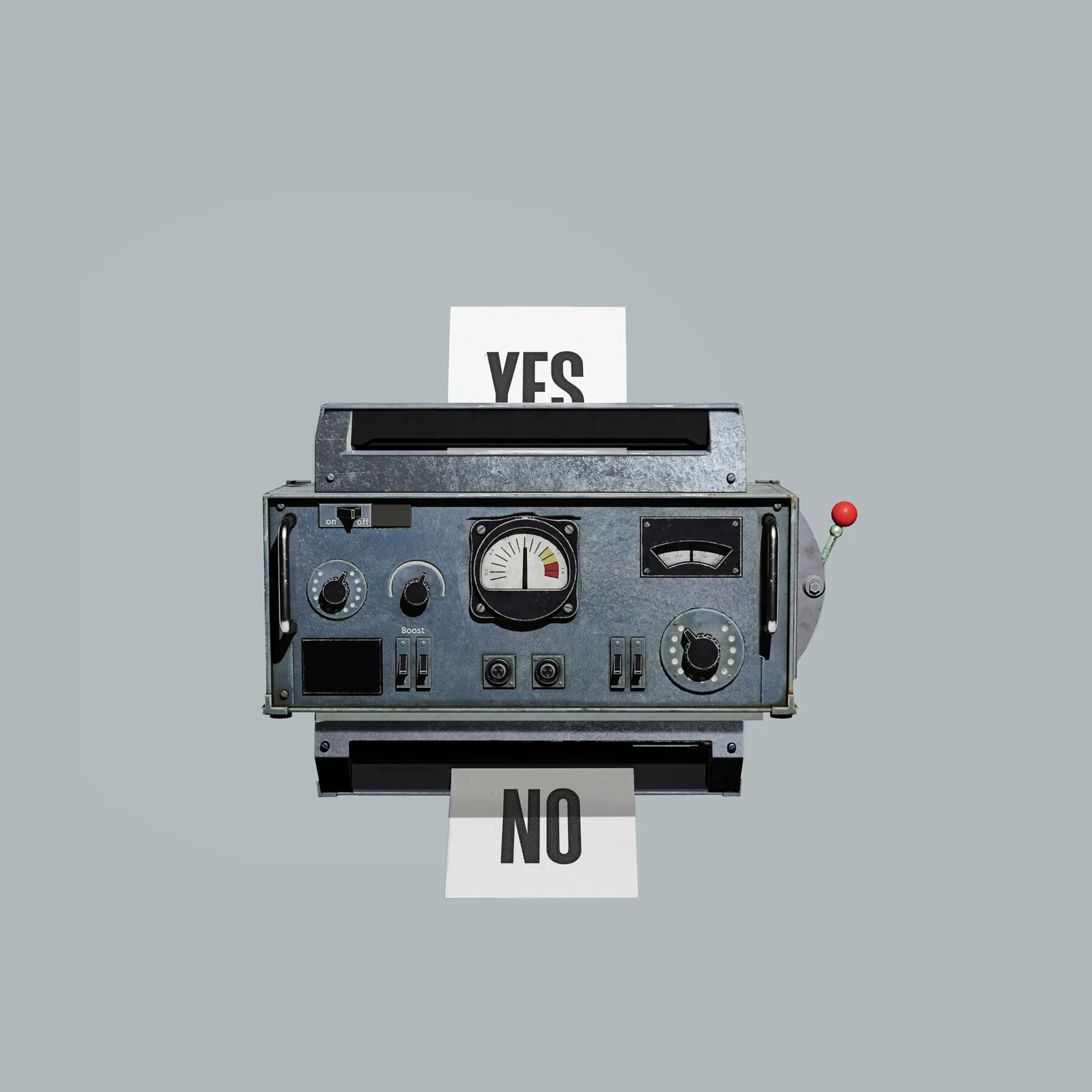
Polymarket traders reportedly revolted after a dispute over one seemingly minor syllable. For decision-makers, it is a warning that prediction markets are not just about pricing outcomes, they are also about defining reality.
Polymarket traders did not just disagree on a bet. They revolted over a single syllable, according to the New York Times. The fight was not really about grammar. It was about what the market is claiming to represent when it trades “reality” in numbers. And when those numbers can be read as forecasts, legal interpretations, or truth-claims, seemingly small wording choices can become existential.
The headline fact is the spark: “one silly syllable” became the center of a bitter dispute on Polymarket. Once that syllable became a proxy for interpretation, traders started treating the question as bigger than the immediate outcome. They were arguing over the nature of the event definition, the boundary of what counts as the answer, and the mechanism for resolving it when reality does not sit neatly inside a box. In prediction markets, that is the entire game. If the market cannot agree on what counts, then the market price can no longer be read as a clean reflection of probability.
To understand why a syllable can light a fire, you have to understand how prediction markets live and die. These platforms sell shares tied to future outcomes. Traders buy and sell based on beliefs about what will happen. But those shares are only as credible as the contract language that settles them. In other words, Polymarket is not only pricing what people think will occur. It is pricing how the platform will interpret what occurred, which means the “paper” definition matters as much as the “world” definition.
That makes wording disputes uniquely toxic in markets like this. Traders can tolerate disagreement about forecasts. They often cannot tolerate disagreement about interpretation rules, because interpretation rules decide who wins, who loses, and whether the market is behaving like a fair marketplace or like a moving target. If traders think the platform might resolve an outcome in a way that benefits one side, they stop treating the market as neutral. The result is not just a higher level of debate. It is a breakdown in trust.
This matters for decision-makers because trust is the scarce resource in markets. Liquidity requires confidence that contracts will be enforced as written, and that “resolve it later” is not a euphemism for “resolve it however the loudest faction prefers.” Prediction markets already sit in a complicated regulatory neighborhood. Regulators care about a spectrum of issues that include consumer protection, market integrity, and whether activities resemble gambling or financial trading. Even when the platform is not trying to be a regulator-facing product, disputes that signal ambiguity in event definitions can draw additional scrutiny.
In that context, the Polymarket syllable story reads like an early warning sign. When traders revolt, it is usually not because everyone suddenly became a linguist. It is because traders see an opening for dispute to affect settlement, reputational risk, and platform credibility. Even if only one bet is involved, the precedent can contaminate future activity. Traders ask: if one syllable can be contested, what else might be contested? If resolution hinges on interpretation, then every later market becomes a negotiation about wording rather than a prediction about outcomes.
There are also second-order implications for governance. Platforms often rely on policies, dispute resolution processes, and decision-makers who must interpret rules under pressure. A dispute can therefore become a board dynamics problem as well as a trader problem. Executives and operators need to ensure event definitions are clear upfront, that there is a transparent resolution protocol, and that the organization can handle disagreement without appearing arbitrary. The more a platform appears to change interpretation post-hoc, the more it risks turning markets into politics.
For peers in similar roles, the strategic stake is simple: prediction markets are judgment machines, but their output is only as legitimate as their input definitions. If the “contract” for reality is fuzzy, prices may become less informative and more adversarial. And when traders revolt over a syllable, you should treat it as a signal that the market has reached a point where language itself has become a battleground. That is a fragile foundation for capital, credibility, and long-term participation.
This story's Key Insights and Take-aways are locked.
Create a free account to unlock Executive Actions for one credit.
Register to UnlockAlways free for Executives Club members. Join the Club
More in Business

A flaw in PHP just forced governments to pull their own sites offline
European agencies from Belgium to Germany took websites dark to patch a critical weakness in the language behind almost 70% of the web, and the blast radius extends far beyond government portals.

BioWare shuts down, Mass Effect 5 dead after $55B EA buyout
The legendary RPG studio's closure lands months after a $55 billion investment group buyout of EA, raising tough questions for gaming's biggest acquirers.

Musk barred from the room as Tesla, SpaceX boards weigh $3.5 trillion merger
The CEO of both companies is a 'conflicted party' watching independent directors negotiate a tie-up that would create a $3.5 trillion giant he would own about a third of.