
Polymarket traders bet SpaceX could top a $2T market cap on debut
If the prediction holds, SpaceX would join just six companies with $2T+ value, reshaping how investors model space risk.
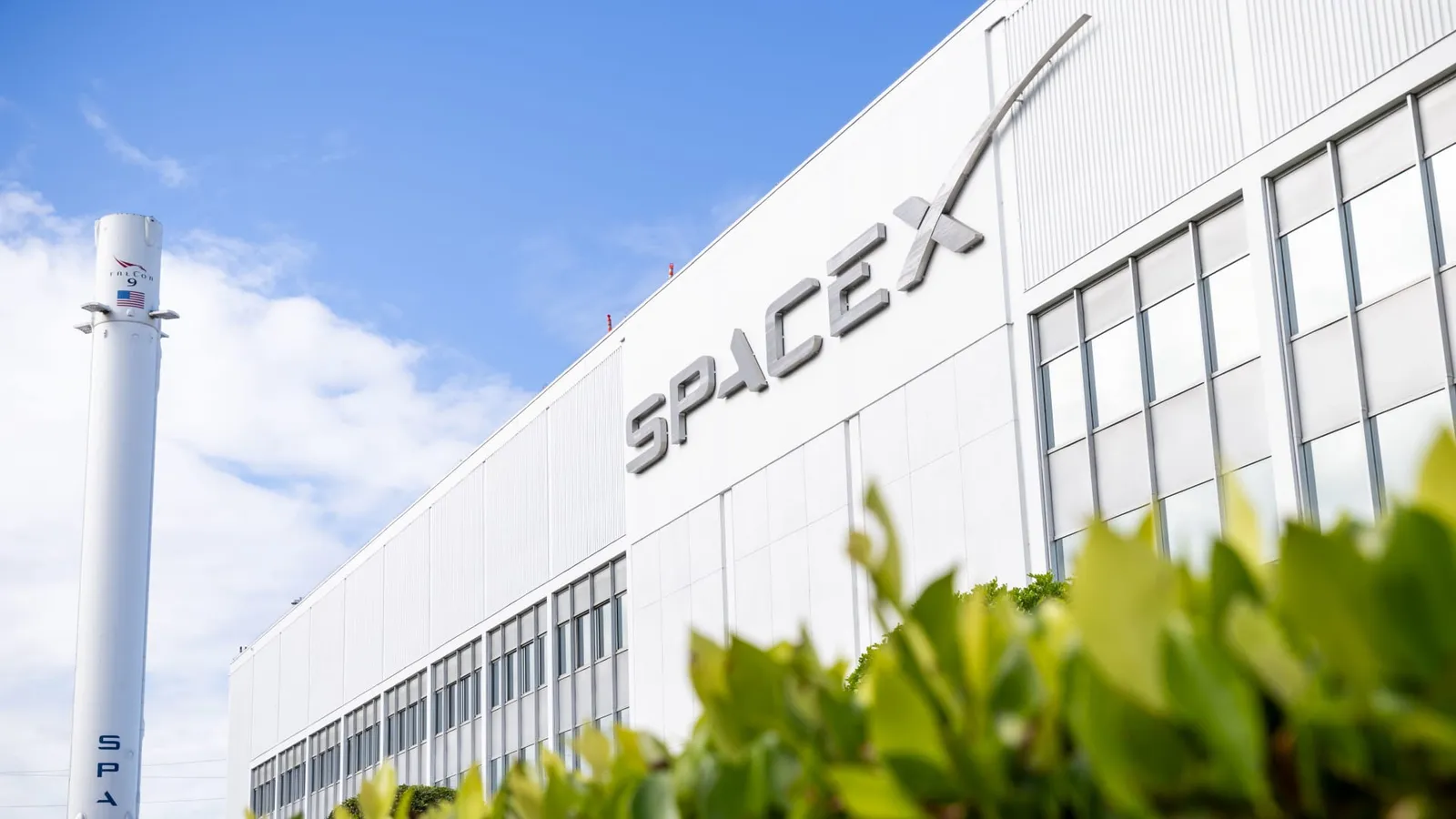
Polymarket traders believe SpaceX is likely to join the tiny club of companies valued above $2 trillion on its debut. For decision-makers, the trade signals how quickly capital markets could re-rate space exposure if expectations crystallize.
SpaceX could be headed for a debut that tests the limits of how investors think about size. Traders on Polymarket say there is a likelihood SpaceX will join a group of just six companies with a market value beyond $2 trillion. In plain terms: the bet is not merely about a good first day. It is about whether SpaceX gets treated like an ultra-large, index-level platform company instead of a high-risk niche player.
That $2 trillion threshold matters because it is both symbolic and practical. Companies above that line tend to become core holdings for large allocators, show up more consistently in benchmark-driven portfolios, and attract liquidity that can change trading dynamics. According to the report, Polymarket traders think SpaceX can clear that bar on its debut, placing it alongside only six other companies with market values beyond $2 trillion. The “debut” framing also matters, since first-day pricing often becomes a reference point for months afterward.
To understand why prediction markets like Polymarket can move attention, it helps to remember what they are doing. Rather than waiting for official results to publish, traders express views via contracts that pay out based on a specific outcome. When enough participants concentrate on the same threshold, the market can start to look like a consensus expectation engine. That does not guarantee the outcome, but it does influence how people talk, model, and position. In a story like this, the consensus question is stark: does SpaceX’s valuation jump into the rarefied tier reserved for the largest global companies?
There is also a second layer behind any “$2T market cap” talk: how the market judges future cash flows and risk. Space is not like selling software seats. It involves heavy capital intensity, timelines that can slip, and a regulatory and licensing environment that can affect operations. Even if a company is operationally strong, investors often price uncertainty into revenue conversion and execution speed. A debut that implies a $2 trillion-or-beyond valuation signals that enough market participants are willing to underwrite not just current performance, but also durability and scale.
Regulation is part of that underwriting even if the report does not go deep into policy specifics. For any major space player, oversight can include licensing requirements for launches and operations, spectrum considerations where relevant, and compliance frameworks that can shape timelines. The market’s job, then, becomes translating “allowed to operate” into forecasts that support massive valuation. That is why a prediction market bet is revealing: it suggests traders think the regulatory and execution picture is likely to remain compatible with a very high valuation, at least in the context of the debut.
For boards and senior executives at comparable growth companies, the real takeaway is about benchmarking. When Polymarket traders rally around a $2 trillion market cap threshold for SpaceX on debut day, it sets a reference point competitors, suppliers, and potential partners will watch. It also pressures other private companies thinking about public-market access, because valuation narratives can shift quickly once a peer is priced as a mega-cap.
Finally, the strategic stake here is not just about SpaceX. The headline implication is that space exposure could be treated as a market-wide theme rather than a thematic side bet. If investors end up aligning with the direction implied by Polymarket, it could accelerate capital flow into related infrastructure, services, and data capabilities. That is how a single number, $2 trillion, can ripple outward. For decision-makers, the question becomes whether their models, incentives, and capital strategies are built for a world where space companies can be priced like global platforms from day one.
This story's Key Insights and Take-aways are locked.
Create a free account to unlock Executive Actions for one credit.
Register to UnlockAlways free for Executives Club members. Join the Club
More in Business

Anthropic’s Levant Alpöge cracks the Jacobian conjecture after 87 years
A Harvard valedictorian used Claude to hit a 1939 breakthrough, but the missing “why” is the real problem.

Uber buys Delivery Hero for nearly $15B, vaulting to top food delivery outside China
The deal doubles Uber's dual-services footprint and pushes a ride-and-eats bundling play into 50 more markets.

Epic and Google drop settlement bid, forcing rival Android app stores by July 22
Google told the court it is ready to carry third-party app stores starting Wednesday, July 22.