

Poncle rethinks Fortnite collab after Epic’s gen-AI asset demos trigger “reviewing” comment
Hours after the Vampire Survivors developer hinted it might back out, Epic’s Unreal gen-AI push puts partnerships in the spotlight.
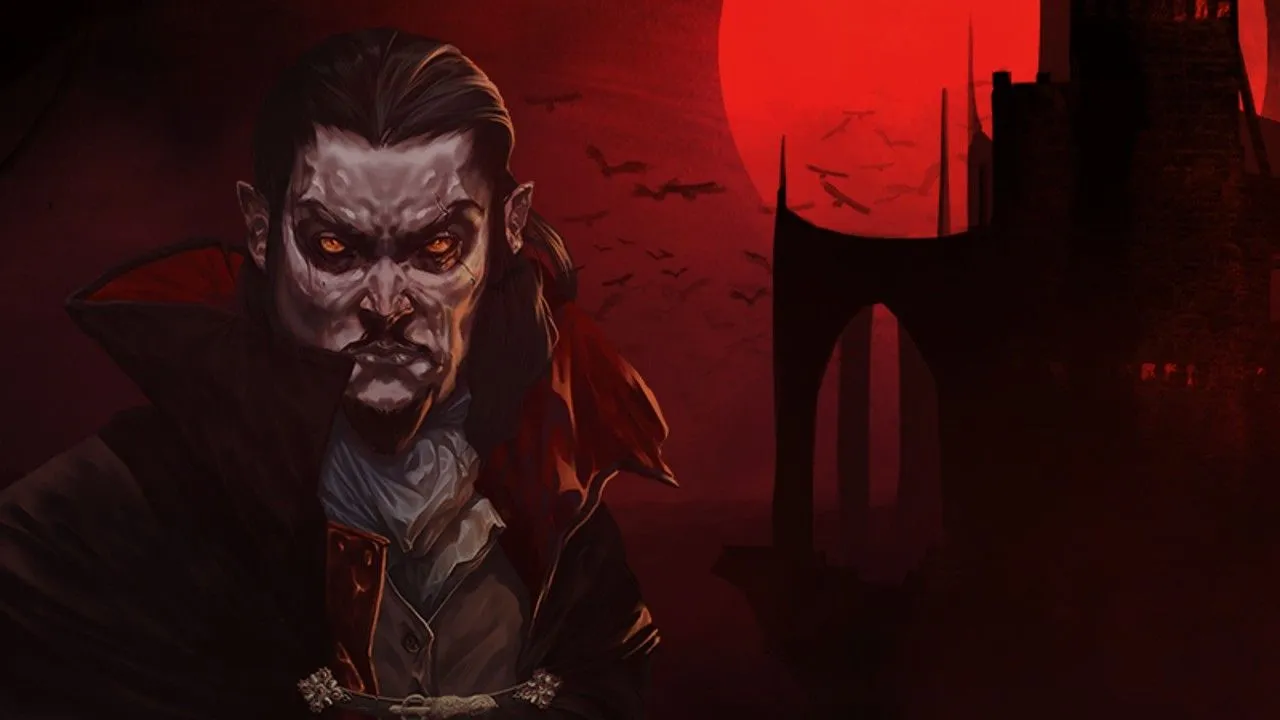
Poncle, the Vampire Survivors developer, posted on Reddit hours after Epic announced a Fortnite collaboration, saying it is “reviewing” the partnership. The trigger is Epic’s use of generative AI to create Fortnite characters and environments, plus Unreal Engine’s newly demonstrated gen-AI workflow.
Epic announced several upcoming Fortnite collabs earlier today, including one with Vampire Survivors. But just a few hours after the presentation, Poncle left a Reddit comment implying it may not proceed. The comment, though brief, is unusually direct: “Following today's news about gen AI usage by Epic to create all sorts of game assets, including Fortnite characters, we're currently 'reviewing' our collaboration with Fortnite. We'll let you know if anything moves forward.”
That is the practical stake for anyone in creator partnerships: the deal may be less “announced and locked” than it looks. Poncle is effectively flagging that Epic’s generative AI usage for Fortnite assets could change whether the collaboration happens at all. And this is happening in real time, not through months of quiet legal revisions.
To understand why this lands, you have to connect two separate Epic moments. At Unreal Fest today, Epic showed an experimental plugin feature that integrates generative AI models like Claude and Gemini with Unreal Engine. In a blog post about features coming to Unreal Engine 6, Epic described these tools as “creativity and productivity multipliers so that teams can focus their efforts on essential creative and technical tasks of development rather than time on time-consuming manual tasks.” During the presentation, Epic demonstrated generative AI models being used to change lighting or add objects to a scene. In other words, Epic is not just experimenting with AI for storyboards. It is demonstrating AI in the middle of real asset workflows.
Then there is the more immediate concern Poncle reacts to: Epic’s video earlier this week showing how artists use generative AI to quickly develop character and environment concepts for Fortnite. The source notes that assets created for the Vampire Survivors collab could presumably be made in the same way. That matters because partnerships do not only depend on brand alignment. They depend on perceived control over the creative process, the quality bar, and the audience trust that the partner brings with it.
On the business side, this is a classic incentive clash. Epic wants speed and scale. If AI can compress concepting, iteration, and parts of environment construction, Fortnite can move faster on new events and collabs. Epic’s own framing at Unreal Fest is explicitly about shifting time away from “time on time-consuming manual tasks.” From a platform standpoint, that is a leverage story.
Poncle’s Reddit comment points in the other direction. It suggests that when a platform changes how it builds assets, partners may reassess whether the partnership still matches their expectations, values, or even practical deliverables. The source is careful to stay within what Poncle wrote: it does not claim a final cancellation, it claims “reviewing” the collaboration after seeing Epic’s gen-AI usage. Still, the timing is what makes this a live wire. The collab was announced earlier today, and hours later Poncle is publicly reconsidering.
There is also a second-order operational risk here for Epic and for anyone doing deals inside creator ecosystems. Even if the legal contract already exists, public uncertainty can force renegotiation on the terms that usually sit underneath the headline: how assets are made, what gets reviewed, who has final approval, and what happens if a partner decides it does not want their IP associated with a certain production method. The source says it is unclear when Poncle and Epic made the collab deal. That uncertainty tends to make board-level questions louder: if the deal is still new or not fully executed, partners can still walk or demand changes.
Epic also has to manage a public narrative while it pushes forward with new tooling. PC Gamer says it reached out to Epic for comment, and asked the studio for more information on its concerns, implying that more details may come. In the meantime, Epic announced other Fortnite collabs at the presentation: Control Resonant, Phantom Blade Zero, and Sonic Racing: CrossWorlds. For decision-makers watching this, the lesson is broader than Vampire Survivors. If partners start publicly “reviewing” collaborations, the AI workflow conversation becomes a partnership risk category, not just a technology story.
For executives, founders, and investors who rely on games partnerships, the takeaway is strategic: a platform can accelerate production with generative AI, but that speed can also unsettle partners who worry about creative process, audience perception, and deliverable integrity. In a world where deals can be tested in public within hours, the real question is whether your partnership framework accounts for changing production pipelines, not just the original marketing announcement.
This story's Key Insights and Take-aways are locked.
Create a free account to unlock Executive Actions for one credit.
Register to UnlockAlways free for Executives Club members. Join the Club
More in Entertainment

Russell Brand's accuser 'bewildered and confused' as he denies 7 sex charges
The criminal case against the comedian is a live test of how media companies manage talent risk when serious allegations go public.

'It's a Magic Trick': Ballet Experts Say Rosalía's SNL Pose Is Impossible
Three ballet experts tell Rolling Stone Rosalía's gravity-defying SNL stillness shouldn't be possible - and why the debate is now part of the show.

Activision CMO: GTA 6 Will Boost Call of Duty, Not Bury It
Activision's top marketer says Rockstar's blockbuster will drive players back to consoles and into Modern Warfare 4, even as the company admits its recent strategy failed.