
Pope Leo slammed Nvidia's AI safety. Jensen Huang just responded
The pontiff questioned whether Nvidia's guardrails are real. Huang says the company is doing more than anyone, and that the pope is asking the right questions.
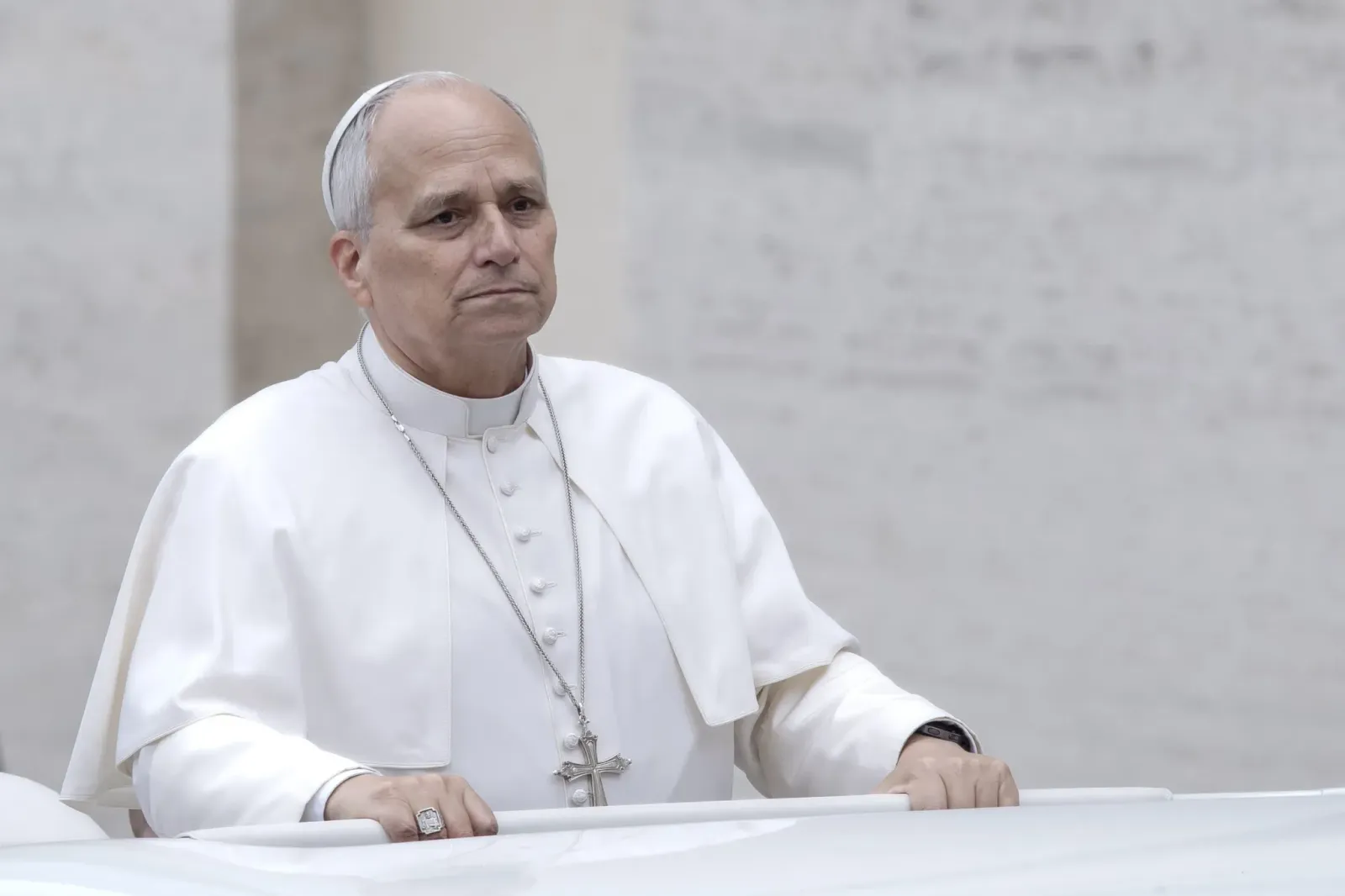
Nvidia CEO Jensen Huang responded to Pope Leo XIV's AI safety criticism, defending the company's record and agreeing on shared goals. The exchange underscores the widening rift between AI optimists and regulators over who should police the technology.
Nvidia CEO Jensen Huang has a message for Pope Leo XIV: we're on the same side. In an interview with Fortune on Wednesday, Huang responded to the pontiff's recent AI safety criticism by saying, "He's asking all the right questions, and he's thinking about all the right issues." The exchange marks the latest flashpoint in a global fight over who gets to decide how fast AI scales.
The pope's rebuke came in late September, when he told reporters that concerns about AI destroying the world are not "fake news" and should be taken seriously. That was widely read as a direct counter to President Donald Trump, who had told the UN General Assembly the week before that AI danger fears were a "hoax." The pope also singled out Huang, saying he was skeptical of Nvidia's AI guardrails announcement because Huang has argued there should be no limits and no government regulation. Huang told CBS News earlier this month that he agreed with Trump that AI safety concerns were overblown.
Now Huang is pushing back on the characterization. "I'm not exactly sure what was intended, but the facts are that few are doing as much in advancing AI safety in a way that helps the entire industry as we are," he told Fortune. He pointed to Nvidia's open-source safety technology, its work on a framework for improving the quality of companies, and its efforts on audit, governance, and standards-setting. "We are doing as much as we can, and the things that we're doing are going to dramatically help," he said.
Huang also argued that the industry should focus on real incidents, not hypothetical ones. "We can always talk about hypothetical incidents that have not happened, but as an engineer, we should develop the technology and methodologies and practices to deal with the incidents that have happened," he said. That's a pointed distinction, especially as Nvidia has launched a software platform aimed at stopping AI agents from breaching containment. The company is trying to position itself as both the accelerator of AI and its safety net.
The pope, who has warned about AI dangers throughout his 16-month papacy, urged the world "to promote dialogue, study, investigation" regarding the technology. Huang said he sees common ground. "We all care about the same thing, which is an optimistic future where this technology has great positive impact in society while doing it with great responsibility, safety, and accountability," he said. That's a diplomatic close, but the underlying tension remains: Huang has repeatedly argued against government regulation and limits, while the pope is calling for serious scrutiny.
For executives, this is more than a theological spat. It's a signal that AI safety is becoming a mainstream political and cultural issue, with the leader of the Catholic Church weighing in alongside heads of state. Nvidia's market position makes it the de facto standard-setter for AI infrastructure, so any regulatory shift could have outsized consequences for its customers, partners, and competitors. If regulators follow the pope's path, companies building on Nvidia's stack could face new compliance requirements. If they follow Huang's, the current pace of deployment continues.
Huang's defense also highlights a broader corporate playbook: when a company is criticized for externalities, it responds by pointing to its own voluntary initiatives. Nvidia's open-source safety tools and governance frameworks are real, but they are also self-defined. The pope's skepticism reflects a deeper question: should the people building the technology be the ones setting the rules for it? That question is now being asked at the highest levels, and Huang's answer is that the industry is already doing enough.
The strategic stakes for peers are clear. Any CEO in AI, cloud, or enterprise software should watch how this debate lands. If the pope's framing gains traction, expect more pressure on AI companies to open their safety practices to external audit. If Huang's framing wins, voluntary standards remain the norm. Either way, the conversation just got a new, very prominent voice.
This story's Key Insights and Take-aways are locked.
Create a free account to unlock Executive Actions for one credit.
Register to UnlockAlways free for Executives Club members. Join the Club
More in Technology

Cop fired after sharing Flock login with ICE husband: 983 searches
A Savannah officer's shared credential let an ICE agent run hundreds of plate searches on Hispanic drivers, exposing a surveillance backdoor.

Elizabeth Holmes doc 'You Can See Everything' posts second-biggest doc debut ever
The true-crime draw shows fraud narratives still sell - a signal for media execs and a caution for founders.
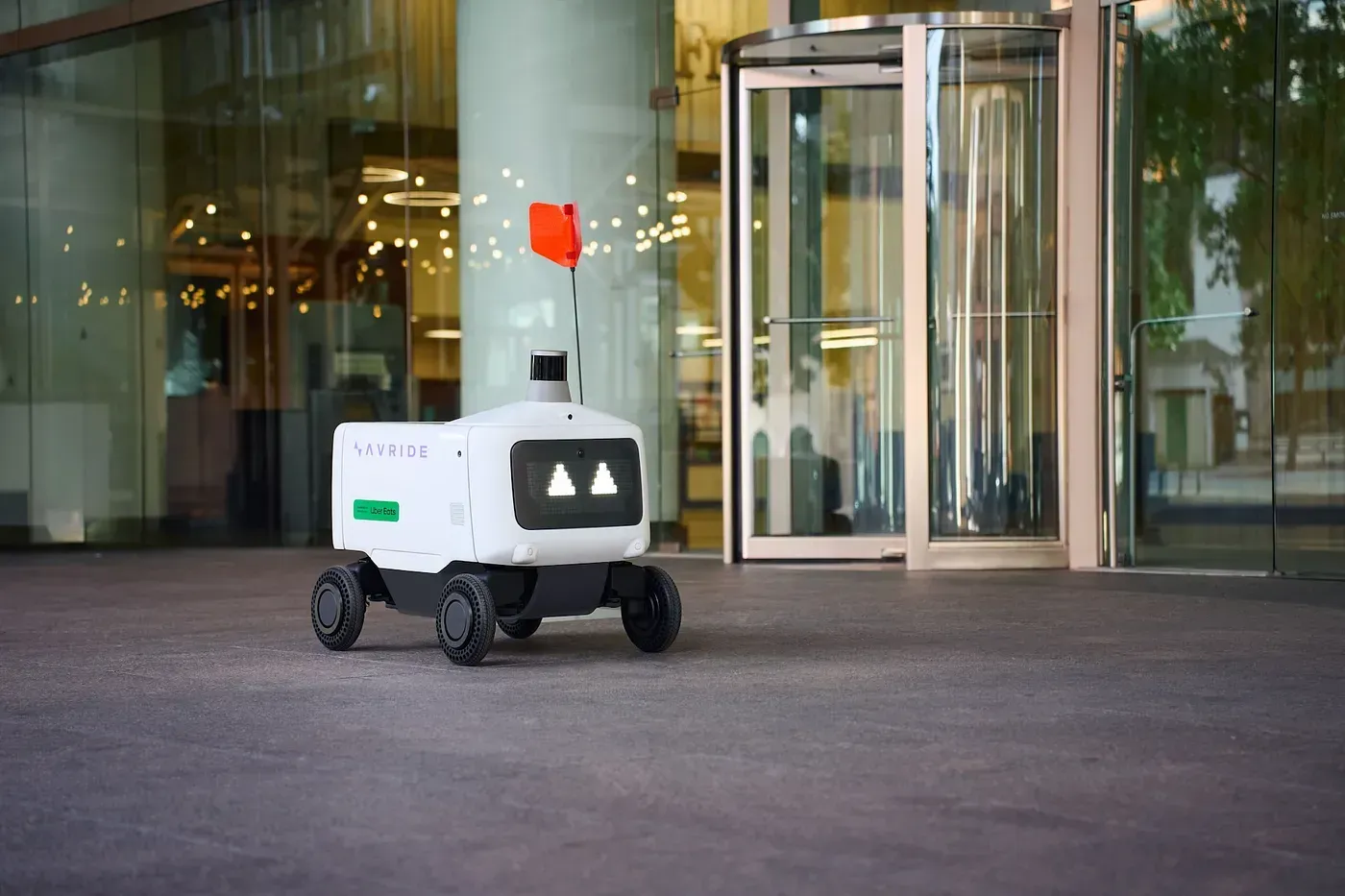
She blocked an Uber delivery robot to save jobs. Police arrested her.
Carolyn Marvin's disorderly conduct arrest turns a sidewalk standoff into a test case for how cities police the automation-versus-workforce debate.