
Poppy skips Upheaval set after AQI tops 350, band performs masked with N95
Singer says she was “unable to breathe” as wildfire smoke pushed conditions into the hazardous zone in Michigan.
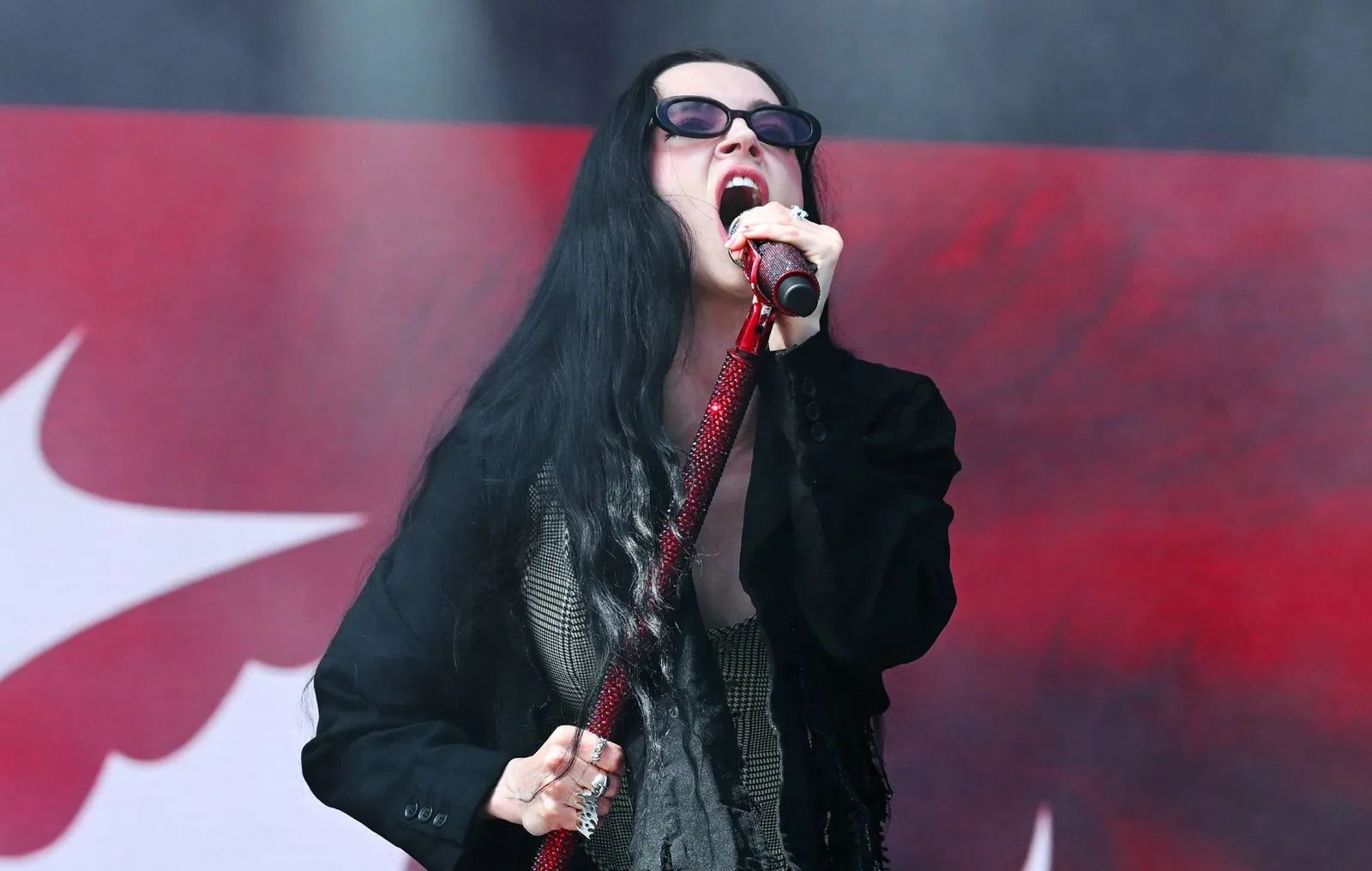
Poppy missed her Upheaval Festival set in Grand Rapids, Michigan on July 17 after her Air Quality Index reportedly exceeded 350. The incident underscores how extreme weather and air quality are forcing real operational decisions for festivals, artists, and event operators.
Poppy missed her Upheaval Festival set on July 17 in Grand Rapids, Michigan, after she said the Air Quality Index around the time of her performance hit 350-plus due to wildfire smoke. She later told fans she did not join her band because she “was unable to breathe in those conditions,” even as her backing band carried on onstage with the set performed instrumentally.
The moment looked dramatic from the outside: Friday night headliners Gojira were on the bill, but Poppy was not there when the scheduled set began. Instead, her masked band took the stage without her, wearing N95 respirators beneath their customary stage masks and performing the set anyway. Poppy said she applauded the fans who endured the “hazardous” air.
In her Instagram Stories, Poppy framed the decision as a health boundary, not a performance problem. She shared that smoke from ongoing Canadian wildfires was the driver and pointed to the AQI level near the festival. She also explained what viewers likely noticed: the set was “only instrumental” because she did not take the stage. While fans debated whether the omission was fair, her argument was straightforward: if singing posed a risk to her health, she had the right to decide not to perform.
That distinction matters for how decision-makers think about risk. Under the US Air Quality Index used in the article, any reading above 300 is classified as “hazardous,” meaning everyone at risk of experiencing health effects. Translating that into operations is not philosophical, it is practical. For an event, it changes what “go” means. It affects staffing, crowd pacing, the viability of indoor relief areas, and the medical readiness of teams working in a live environment.
Upheaval organisers had told attendees that the event would go ahead as planned while monitoring conditions with local officials. The festival message to attendees included: “Your safety is our number one concern,” plus encouragement to pace yourselves and look out for each other. It also stated they were still working with local officials to monitor ongoing air quality, and that current information showed the Air Quality would improve throughout the day. In other words, the organisers were actively managing uncertainty, not ignoring it, and the question becomes how quickly “improve” happens relative to set times and health thresholds.
The second day of Upheaval Festival was scheduled to take place on July 18, with Papa Roach topping the bill. For festival leadership, this is the operational nightmare scenario: even when you have a plan, the environment can still rewrite the schedule in real time. This was the second time this summer that extreme conditions prevented Poppy from completing a festival performance. Her Welcome To Rockville set in Daytona Beach, Florida was cut short after less than a minute in May when severe weather and lightning protocols came into effect.
Zooming out, the article notes a broader pattern across major festivals and outdoor concerts. At Primavera Sound in Barcelona last month, heavy rainfall and winds reaching speeds of up to 80km per hour threw the opening day into chaos, with sets from Massive Attack, Doja Cat, Bad Gyal, Alex G, and Mac DeMarco among those cancelled. Massive Attack said it was “devastated” it could not perform after creating a new version of their live show specifically for the festival, but acknowledged that “no one can control severe weather” and that safety had to remain paramount.
Extreme heat also showed up in the disruption playbook. Defqon.1 in the Netherlands was cancelled after authorities issued a “code red” warning for extreme heat. Thunderstorms forced the cancellation of Katy Perry’s headline performance at Werchter Boutique in Belgium. And for boards, CEOs, and operator groups trying to model repeatable processes, this is where the lesson shifts from “weather sucks” to “weather is a planning input.” The article quotes Association Of Independent Festivals CEO John Rostron, who said festivals increasingly have to account for extreme conditions when planning events. He calls it “a new thing we have to learn from and plan for in the future because it’s here to stay,” describing it as “the new normal.”
All of this lands on event economics and artist operations at once. If air quality can move into hazardous territory, and severe weather can force lightning protocols within minutes, the ability to switch from “performance mode” to “safety mode” becomes a core capability. The Poppy incident also shows how the “brand” side and the “health” side collide in public. Fans can be unhappy when an artist does not appear, but the medical logic is anchored by the AQI framework, not a vibe check.
There is also a reputational layer for festival operators. In a world where air quality indexes and weather warnings are publicly visible, communications become part of risk management. Upheaval’s messaging to attendees about pacing, monitoring, and safety being the top priority is a signal of accountability, and it is the kind of documentation that can matter for regulators and insurers later. For artists, the choice to sit out can be framed as protecting the voice and lungs, but it is also a reminder that performance contracts and live production plans may need contingency rails for conditions that are not “within normal tolerance.”
Poppy’s broader career context in the article is quiet but relevant: she released her seventh studio album, ‘Empty Hands,’ in January, followed by 2024’s ‘Negative Spaces,’ and she reunited with former Bring Me The Horizon keyboardist and producer Jordan Fish and House Of Protection’s Stephen Harrison. That continuity is the creative background, but the Upheaval moment is the operational reality. Extreme conditions are now strong enough to override even tight schedules with top-billed acts, and that is the strategic stake for every festival operator, investor, and board reading this: you can build lineup calendars, but you need to build safety systems that can actually survive the atmosphere.
This story's Key Insights and Take-aways are locked.
Create a free account to unlock Executive Actions for one credit.
Register to UnlockAlways free for Executives Club members. Join the Club
More in Entertainment

12TB Steam 'teraleak' goes beyond Valve: GTA 3, Mafia 2 prototypes exposed
A 12-terabyte dump of Steam data reveals prototypes and builds of third-party classics like GTA 3 and Mafia 2, plus unreleased Valve content, rewriting game history.

LinkedIn's romance problem: 1 in 4 workers say dating on it is fair game
A new survey shows a quarter of U.S. employees treat the professional network as fair game for romance, even as LinkedIn bans it and removes hundreds of thousands of offending posts.
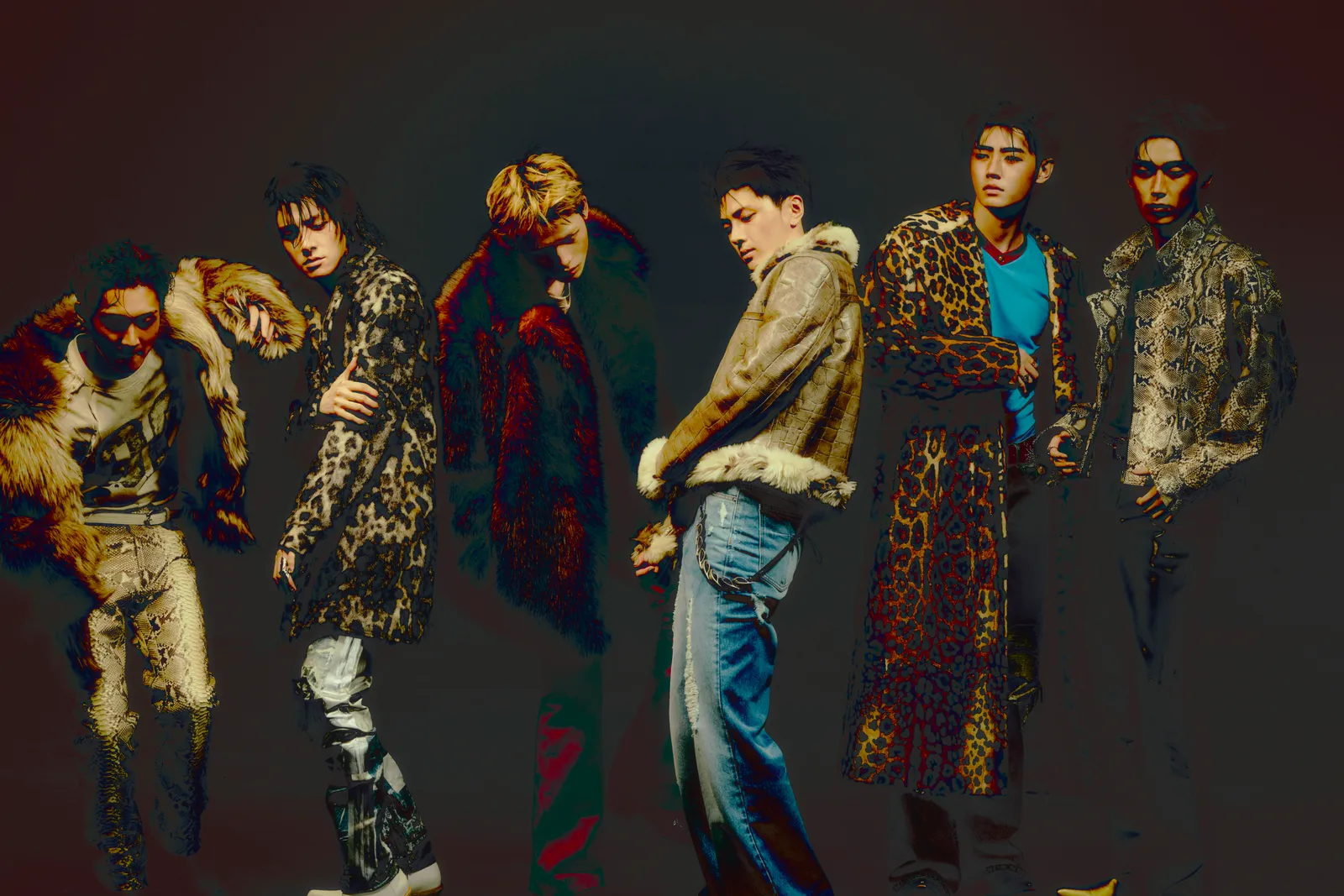
Enhypen's first No. 1 album breaks K-pop's Billboard 200 streak
The K-pop group's 98,000-unit debut tops the chart while Dolly Parton's catalog reentry shows how death reshapes streaming.