

Puy du Fou ties to sanctioned oligarch stretch Crimea resort plan past UK disclosures
A UK theme park effort worth 600 million pounds collided with sanctioned Russia links, and regulators may have missed the full story.
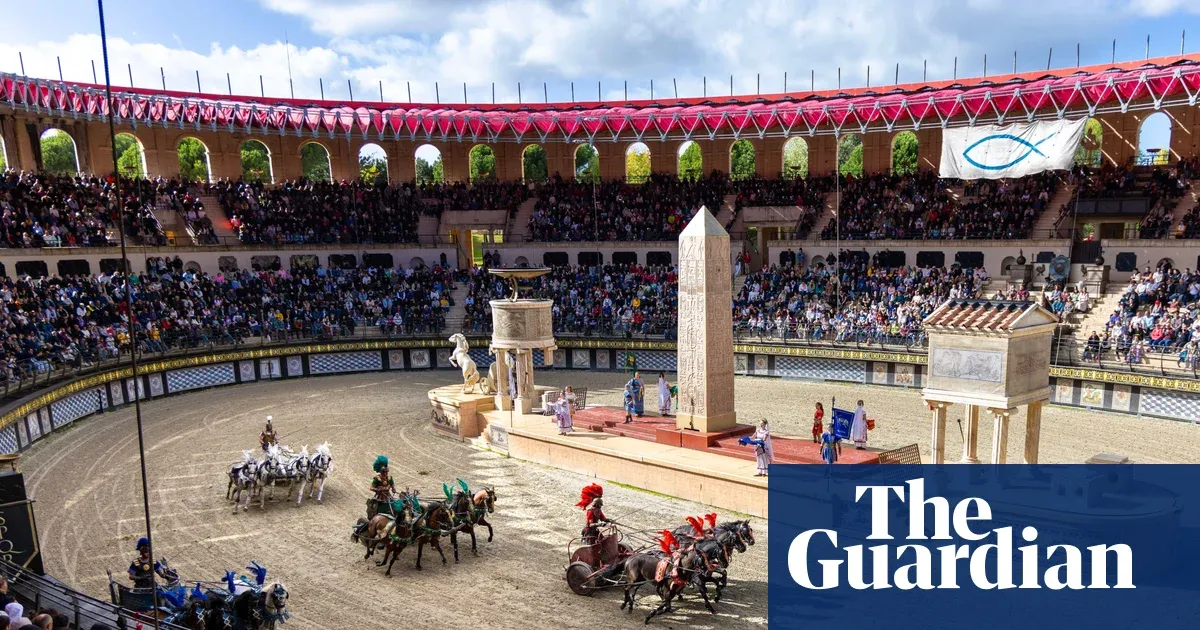
French theme park operator Puy du Fou worked on plans for a Crimea resort with a sanctioned oligarch longer than later disclosed. The links to Russia’s February 2014 Crimea takeover and later efforts to court Iran and China raise compliance and reputational risks for UK-facing investors.
A French company involved in a UK theme park plan, Puy du Fou, had worked with a sanctioned oligarch on plans for a Crimea resort that were longer than disclosed. The Guardian frames this as part of a broader Kremlin connection story, with Russia’s February 2014 move into Crimea as the pivot point. In the same reporting thread, the “little green men” episode describes thousands of Russian soldiers in unmarked uniforms flooding into Crimea, seizing control of military bases and infrastructure. That arrival, the article says, was the opening salvo of Vladimir Putin’s annexation of the peninsula.
Why should anyone involved in UK development, licensing, or capital markets care? Because the question is not just what happened in Crimea in 2014. It is what a company disclosed later, and what UK stakeholders relied on when assessing counterparties, ownership structures, and geopolitical risk. If Crimea-related plans were “longer than disclosed,” then decision-makers who believed the timeline and the counterparties were limited may have been operating on incomplete compliance information.
The regulatory problem here is straightforward, even if the geopolitics are not. In the UK, Russia-linked sanctions and restrictions are built to choke off financial and commercial support to sanctioned individuals and related activities. When a project has a UK footprint, sanctions exposure becomes a board-level issue, not a legal afterthought. It requires diligence on who is involved, who is connected, who benefits, and whether disclosed representations match the underlying contracting reality. The article’s framing around a “sanctioned oligarch” is key: sanctions regimes typically do not just punish transactions, they also trigger reputational and operational risk, even if deals are structured carefully.
The source also connects the Russia thread to later international courting, stating that after the Russia-Crimea pivot, Puy du Fou “later courted Iran and China.” For execs, that matters because sanctions compliance is not a single check-box exercise. It is a continuing monitoring job across geographies, vendors, and marketing partners. A board reviewing governance for a large development, particularly one described as a UK theme park link with a 600 million pound scale in the original framing, should assume that reputational risk travels with the same networks that handle planning, site development, and commercial partnerships. If those networks overlap with sanctioned or geopolitically sensitive actors, the compliance burden expands.
The February 2014 Crimea events are not a trivia detail in this story. According to the Guardian reporting, thousands of “little green men” arrived, flooding into Crimea in unmarked uniforms and taking control of military bases and infrastructure. That sequence “marked the opening salvo of Vladimir Putin’s annexation of the peninsula,” and it “ultimately escalated into the full-scale invasion of Ukraine.” For UK-based stakeholders, the point is that this is not a remote historical footnote. It is the origin of a sanctions landscape that executives now navigate daily. If a project’s earlier relationships were formed or executed in a period when the geopolitical situation was actively changing, then the question becomes: what did the company know, and what did it later disclose?
There is also a market-structure implication. Large entertainment and destination projects are rarely single-entity efforts. They depend on complex contracting, local partnerships, and financing assumptions that can change once a government tightens rules or once a relationship becomes publicly controversial. If Puy du Fou’s Crimea work with a sanctioned oligarch was longer than disclosed, then a UK-facing counterpart may have underweighted the risk in its own underwriting and governance. Boards should treat that as a warning sign about documentation discipline: timelines, counterparty histories, and sanctions-related narratives must be consistent from term sheet to board pack to regulator-facing disclosures.
Finally, the strategic stakes extend beyond one company. A UK theme park project is the kind of headline risk that can spook lenders, delay permits, and complicate insurance and financing, especially if sanctions compliance is called into question. Executives running similar cross-border projects should expect regulators, investors, and the public to ask whether “geopolitical risk” was just a talking point or whether it was actively managed, measured, and disclosed as facts changed. The Guardian’s framing makes the core issue impossible to dodge: Kremlin-adjacent commercial planning, anchored to Crimea in February 2014, can collide with UK disclosure duties later. And when it does, the cost is not only legal. It is trust, timing, and the ability to keep capital partners on the sidelines from turning into exit partners.
This story's Key Insights and Take-aways are locked.
Create a free account to unlock Executive Actions for one credit.
Register to UnlockAlways free for Executives Club members. Join the Club
More in Business

Anthropic’s Levant Alpöge cracks the Jacobian conjecture after 87 years
A Harvard valedictorian used Claude to hit a 1939 breakthrough, but the missing “why” is the real problem.

Uber buys Delivery Hero for nearly $15B, vaulting to top food delivery outside China
The deal doubles Uber's dual-services footprint and pushes a ride-and-eats bundling play into 50 more markets.

Epic and Google drop settlement bid, forcing rival Android app stores by July 22
Google told the court it is ready to carry third-party app stores starting Wednesday, July 22.