

Quentin Tarantino starts filming in Wales with Kylie Minogue and Jason Isaacs
The final-feature timeline gets real, and the Tarantino orbit pulls major talent into a high-attention production cycle.
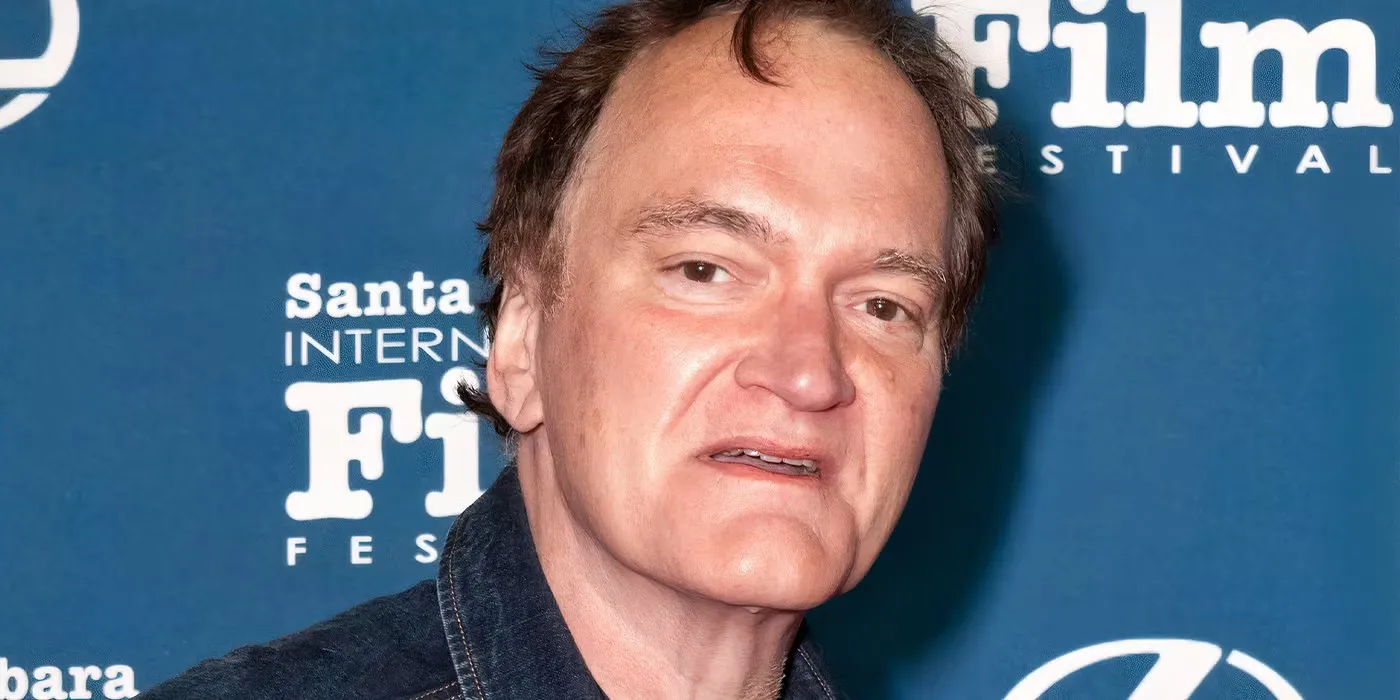
Quentin Tarantino has officially started filming his next, final feature in Wales, with Kylie Minogue, Jason Isaacs, and Sofia Boutella. For executives watching talent, scheduling risk, and audience attention, this production reset is the kind that reshapes downstream decisions.
Quentin Tarantino is officially filming his next, final feature in Wales, and the cast list alone reads like a deliberate flex: Kylie Minogue, Jason Isaacs, and Sofia Boutella are on board. This is not just another “director takes a new project” announcement. It is the moment the industry stops treating Tarantino’s next move as rumor and starts treating it as a real production pipeline, with all the operational gravity that comes with it.
The backdrop makes the Wales news hit harder. Tarantino’s proposed The Movie Critic fell apart, even though he reportedly had a script prepared. According to the same thread of updates, that material was supposedly turned into The Adventures of Cliff Booth, described as a pseudo-sequel to Once Upon a Time in Hollywood, which is set to star Brad Pitt under the direction of David Fincher. So if you are tracking Tarantino’s creative arc, this latest filming update is a full course correction, not a small adjustment.
Now zoom out. High-profile director-led productions are basically talent and attention markets at the same time. When a filmmaker of Tarantino’s stature locks production location, recruits major screen names, and moves from “development” to “shooting,” you get a chain reaction across scheduling calendars, vendor bookings, local production incentives, and distribution expectations. In other words, this is a signal to everyone downstream that resources will be consumed and headlines will be generated.
The Wales angle matters for practical reasons. International shoots are not casual. They require logistics around crew availability, permitting, transport, accommodation, and local production capacity. Even when a story’s specifics remain under wraps, the act of filming itself forces coordination with the jurisdiction hosting the set. That is why “filming in Wales” reads like operational certainty: it implies the project has cleared the phase where uncertainty is usually highest.
On the creative side, the cast mix is a clue about audience positioning. Kylie Minogue brings global pop-scale recognition. Jason Isaacs is a familiar screen presence with range across mainstream and prestige material. Sofia Boutella has built a cross-genre film career that travels well internationally. For decision-makers, that combination is not random. It suggests the project will be marketed with both mass awareness and cinematic credibility, which affects everything from trailer strategy to press scheduling to how studios and financiers think about opening-week momentum.
There is also the “final feature” framing, and it is more consequential than it sounds. Tarantino’s next is described as his next - and final - feature film, and that framing changes how partners interpret risk. In development, “final” often means patience and flexibility, because collaborators know the director’s window is shorter. In production, it can mean faster decisions and tighter alignment, because the industry will try to capitalize on the cultural event aspect. When schedules tighten around a once-in-a-generation timeline, boards and producers tend to prioritize certainty: key talent availability, location stability, and marketing runway.
This is where second-order implications start to show up for peers. Executives at other studios, production companies, or talent agencies do not need to like Tarantino personally to track what this kind of project does to the market. A director transition that moves from a scrapped concept, to a derived pseudo-sequel in a different orbit, to an actual shoot in Wales tells you the industry is still rewarding high-velocity auteur projects. It also reinforces that star and brand talent, like Minogue, are willing to anchor productions led by legacy directors. That matters when other teams are deciding whether to invest in “event” films versus safer slates.
So for decision-makers watching the entertainment calendar, this is the takeaway: Tarantino is no longer in the “what will it be?” phase. He is in the “we are shooting it” phase, in Wales, with internationally recognizable names attached. For anyone trying to time releases, lock talent, or plan capital allocation around audience attention, that shift from rumor to production is the real news. The question is not whether the world is interested. The question is who can position themselves to ride the wave once the footage starts rolling.
This story's Key Insights and Take-aways are locked.
Create a free account to unlock Executive Actions for one credit.
Register to UnlockAlways free for Executives Club members. Join the Club
More in Entertainment

Russell Brand's accuser 'bewildered and confused' as he denies 7 sex charges
The criminal case against the comedian is a live test of how media companies manage talent risk when serious allegations go public.

'It's a Magic Trick': Ballet Experts Say Rosalía's SNL Pose Is Impossible
Three ballet experts tell Rolling Stone Rosalía's gravity-defying SNL stillness shouldn't be possible - and why the debate is now part of the show.

Activision CMO: GTA 6 Will Boost Call of Duty, Not Bury It
Activision's top marketer says Rockstar's blockbuster will drive players back to consoles and into Modern Warfare 4, even as the company admits its recent strategy failed.