

Raducanu withdraws from Wimbledon with leg injury, pulling her off home-court
The reigning British hope leaves Wimbledon on the eve of the tournament, forcing sponsors, fans, and players to reset quickly.
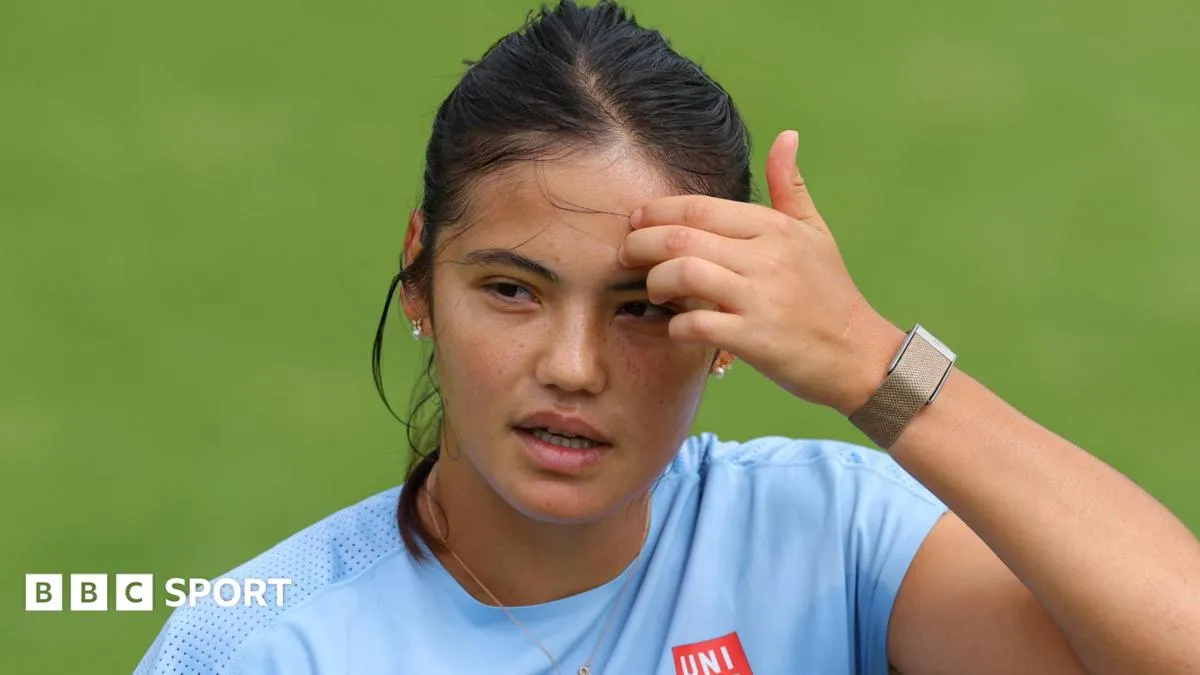
Emma Raducanu has withdrawn from Wimbledon after a leg injury, pulling out on the eve of her home Grand Slam tournament. For decision-makers around the event, it creates an immediate knock-on ripple across scheduling, marketing plans, and competitive expectations.
Emma Raducanu is out of Wimbledon. She withdrew on the eve of her home Grand Slam tournament with a leg injury, ending her run just before the championships begin at the place where everyone expected a big moment.
For fans, this is the kind of news that changes the emotional temperature overnight. For the people managing the business around the tournament, it is also a timing shock. A home-court Grand Slam is not just a sporting event, it is a multi-layer platform for attention, storytelling, and commercial pull. When a top name exits at the last second, the entire ecosystem has to react immediately, not “after the first week,” not “when the bracket stabilizes,” but right now.
To understand why the “eve of Wimbledon” detail matters, you have to think like an event operator and like a performance brand. Wimbledon is a high-intensity media product with tight timetables for court programming, broadcast storylines, on-site fan activity, partner activations, and digital publishing. Raducanu’s withdrawal means those plans that were built around her presence have to be revised on a compressed schedule. And if you work in marketing or partnerships, you do not just lose a player, you lose a narrative engine that can drive clicks, viewership, and local engagement.
There is also a competitive layer. Wimbledon does not operate in a vacuum; the draw and the expected matchups shape everything from player preparation to who can realistically target momentum. When a star player pulls out late, the bracket feels different for the remaining players, especially those who might have been treating Raducanu as a key reference point for tactics, fitness expectations, or psychological momentum. Even if the tournament still offers plenty of headline contenders, the absence of one of the most recognizable names changes how athletes pace risk and strategy.
And then there is the human side, which is often the only side fans truly want to know. The source is clear on what happened: Raducanu is dealing with a leg injury severe enough to force a withdrawal. Leg issues in tennis are not minor in day-to-day terms, because movement, braking, and explosive push-off are the foundation of the sport. The key operational reality is that the leg injury triggered the decision to exit before matches began. That choice is not just a personal preference; it is an all-in health call that avoids aggravating the problem during a tournament where the intensity is relentless.
From a governance and rule perspective, withdrawals around major events are governed through established medical and tournament procedures, because the stakes are too high for ad-hoc decision-making. A late pullout sets off a chain of administrative steps for tournament officials and for the players who might move into positions created by the exit. This is why timing is so critical: “before the eve” and “on the eve” are not the same from a logistical standpoint. By the time Wimbledon is already underway, the operational flexibility is smaller. By withdrawing on the eve, Raducanu’s camp likely had to balance medical urgency against how much of the tournament plan could still be adjusted.
For boards, sponsors, and executives who treat sport as a media platform, the second-order implication is that star availability has a direct bearing on brand moments. Raducanu’s withdrawal does not just remove one participant; it changes what the tournament can credibly emphasize in the immediate news cycle. That matters because audiences form fast impressions, and because the internet does not wait for your revised creative strategy. If you are an organization tied to a star athlete, your risk management is not only about contracts, it is also about narrative continuity: how quickly you can pivot when the athlete you anchored on is suddenly not in the field.
Peers in similar roles, meaning other athlete management teams and the event-linked decision-makers who build plans around marquee players, take note here for one simple reason: late injuries force fast tradeoffs. Health wins, always. But the business and competitive environment still has to adjust, and it will adjust around whoever can respond quickest without compromising credibility. Raducanu’s withdrawal is a reminder that even at the biggest stages, the story can change in a single day.
This story's Key Insights and Take-aways are locked.
Create a free account to unlock Executive Actions for one credit.
Register to UnlockAlways free for Executives Club members. Join the Club
More in Entertainment

Russell Brand's accuser 'bewildered and confused' as he denies 7 sex charges
The criminal case against the comedian is a live test of how media companies manage talent risk when serious allegations go public.

'It's a Magic Trick': Ballet Experts Say Rosalía's SNL Pose Is Impossible
Three ballet experts tell Rolling Stone Rosalía's gravity-defying SNL stillness shouldn't be possible - and why the debate is now part of the show.

Activision CMO: GTA 6 Will Boost Call of Duty, Not Bury It
Activision's top marketer says Rockstar's blockbuster will drive players back to consoles and into Modern Warfare 4, even as the company admits its recent strategy failed.