

Rakuten to debut satellite-to-cell service with Starlink rival AST
Japan's tech giant is partnering with AST SpaceMobile to bring direct-to-phone satellite connectivity, a direct challenge to SpaceX's Starlink.
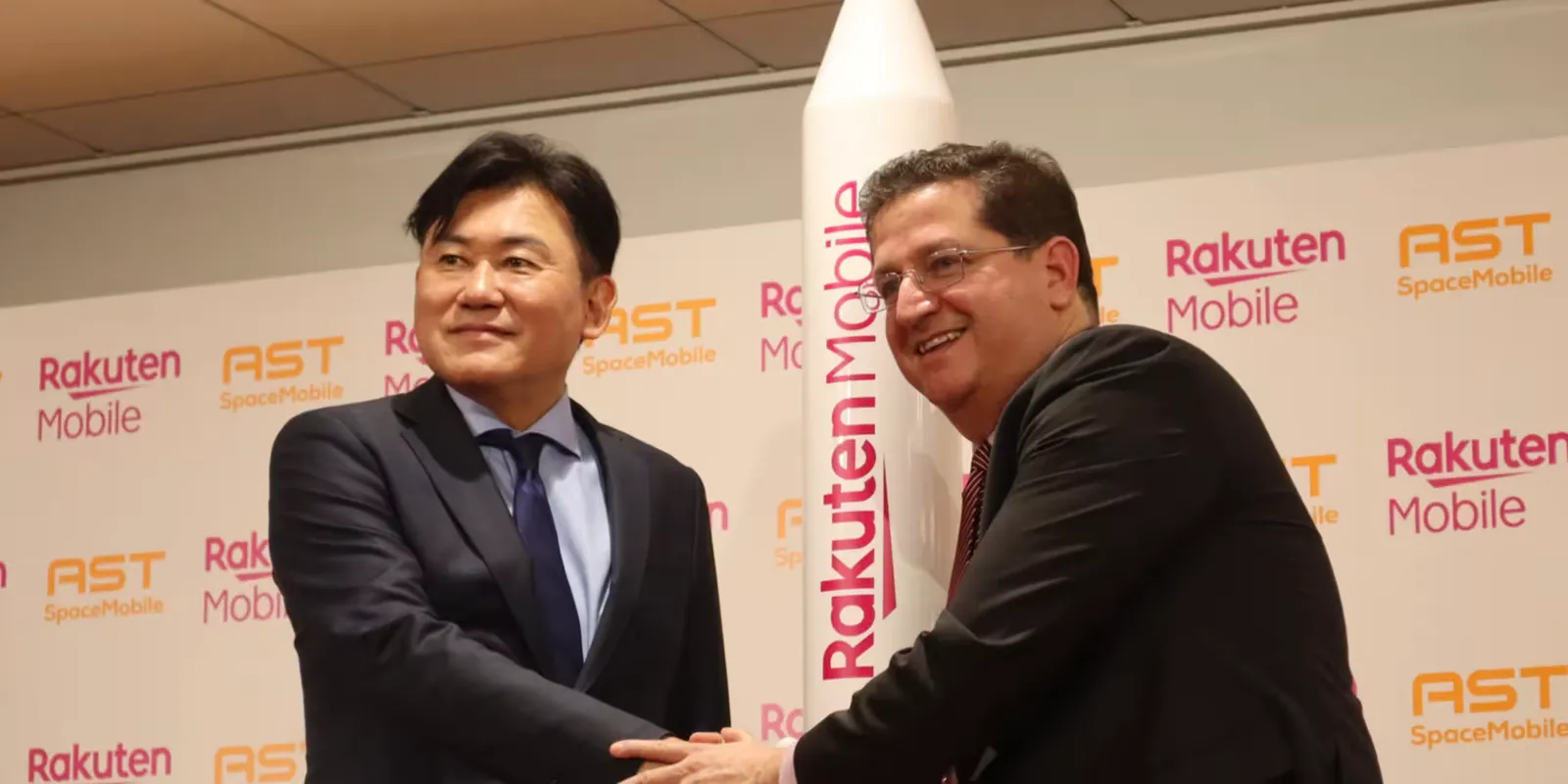
Rakuten, Japan's e-commerce and tech conglomerate, is set to debut a satellite-to-cell service in partnership with AST SpaceMobile, a direct rival to Starlink. This move positions Rakuten at the forefront of direct-to-device connectivity, potentially reshaping mobile coverage in remote areas and challenging SpaceX's dominance.
Rakuten, Japan's e-commerce and fintech giant, is preparing to debut a satellite-to-cell service in partnership with AST SpaceMobile, a direct competitor to SpaceX's Starlink. The move, reported by Nikkei Asia, marks one of the first major telecom operators to embrace AST's technology, which allows standard smartphones to connect directly to satellites without any special hardware. For decision-makers, this is a clear signal that satellite-to-cell is shifting from a futuristic concept to a commercial reality, with profound implications for coverage, competition, and the economics of mobile networks.
The service positions Rakuten as an early mover in a space that has been dominated by Starlink's broadband-focused approach. While Starlink requires a dish and is primarily designed for fixed or mobile broadband, AST SpaceMobile's satellites act as cell towers in orbit, enabling direct-to-device connectivity in dead zones, rural areas, and even at sea. This distinction is critical: Rakuten is not just adding another internet option; it is extending the reach of the existing cellular network itself. For a company that already operates a mobile network in Japan, this could mean seamless nationwide coverage without the need to build thousands of new towers in remote regions.
Rakuten's strategy has long been to disrupt traditional telecom models. The company built one of the world's first cloud-native mobile networks in Japan, and it has aggressively pushed into fintech, e-commerce, and digital content. Partnering with AST SpaceMobile fits that pattern: it allows Rakuten to leapfrog infrastructure-heavy competitors and offer a differentiated service that could attract customers in underserved areas. But the implications go beyond Japan. Rakuten has global ambitions, and a successful satellite-to-cell service could become a template for other operators looking to expand coverage without massive capital expenditure.
The satellite-to-cell market is heating up. SpaceX has already launched a direct-to-cell service with T-Mobile in the United States, and other players like Lynk Global are also in the race. AST SpaceMobile, however, has a unique advantage: it has been testing with major telecom partners and has secured spectrum agreements that could give it a head start. Rakuten's endorsement adds credibility to AST's technology and could accelerate its commercial rollout. For Starlink, this is a direct challenge to its dominance in satellite connectivity, forcing it to respond with its own direct-to-device offerings or risk losing a key segment of the market.
Regulatory hurdles remain a significant factor. Satellite-to-cell services require coordination with national regulators for spectrum use and cross-border operations. Rakuten's experience navigating Japan's strict telecom regulations could prove valuable, and its partnership with AST may help smooth the path for approvals in other countries. However, the technology also raises questions about interference with existing terrestrial networks and the need for international agreements. These are not insurmountable, but they will shape the speed at which the service scales.
For telecom operators worldwide, Rakuten's move is a wake-up call. If satellite-to-cell becomes mainstream, it could disrupt the economics of building and maintaining physical infrastructure. Operators that have invested billions in towers and fiber may find themselves competing with a service that offers near-universal coverage at a fraction of the cost. For investors, the partnership validates AST SpaceMobile's technology and business model, potentially making it a more attractive target for acquisition or further investment. For competitors like Starlink, it intensifies the race to capture the direct-to-device market, which is expected to grow rapidly as consumers demand connectivity everywhere.
The strategic stakes are clear: Rakuten is betting that satellite-to-cell is the next frontier in telecommunications, and it is doing so with a partner that has the technology to make it work. The success of this venture will depend on execution, regulatory approvals, and the ability to scale. But for now, Rakuten has positioned itself at the cutting edge of a trend that could redefine how the world stays connected. For boards and CEOs in telecom, media, and technology, this is a development worth watching closely, as it could reshape competitive dynamics and create new opportunities for those who move early.
This story's Key Insights and Take-aways are locked.
Create a free account to unlock Executive Actions for one credit.
Register to UnlockAlways free for Executives Club members. Join the Club
More in Business

Tim Cook steps down as Apple CEO, stays on as chair with $45M equity
The 'Trump whisperer' keeps his White House and Beijing access as Apple navigates tariffs and a $4.6 trillion market cap.
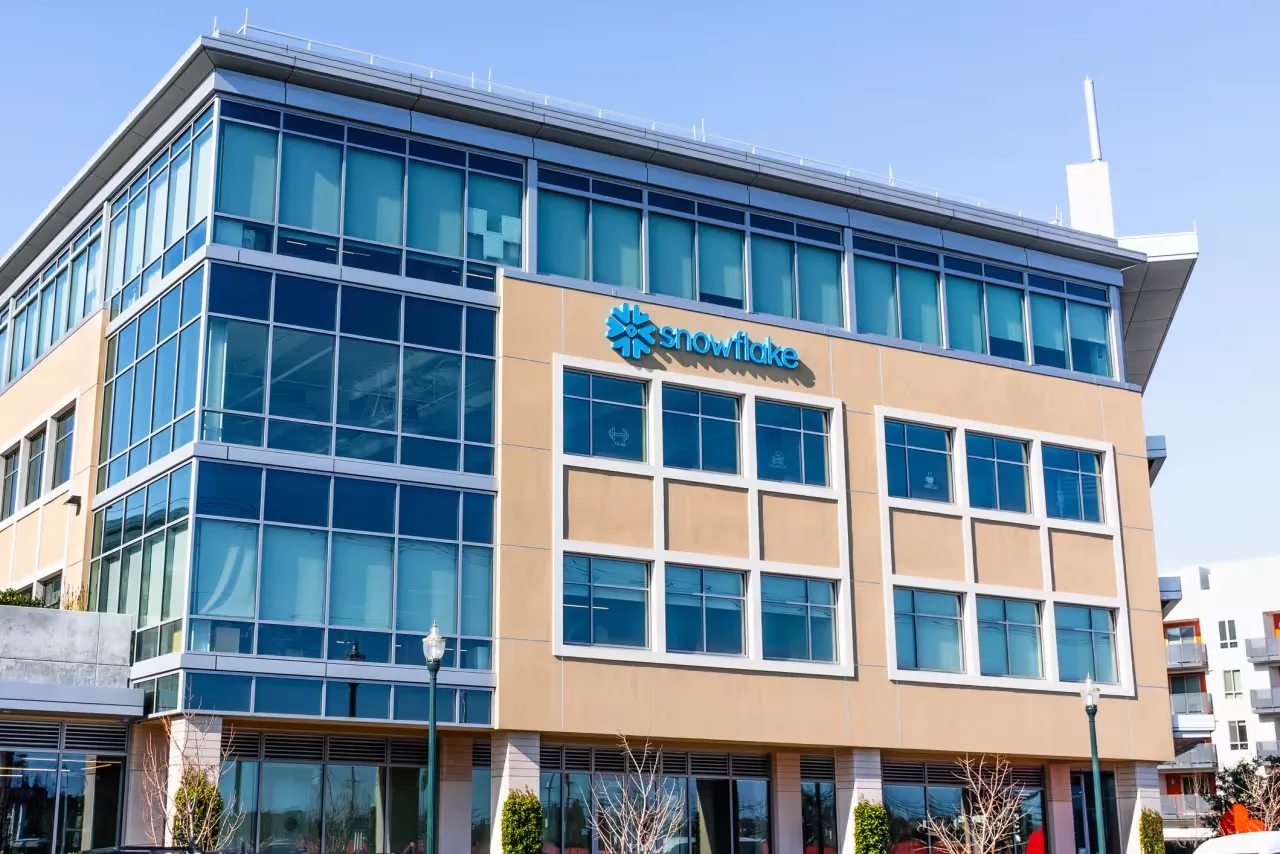
Snowflake shares surge as AI data demand crushes estimates, lifting full-year forecast
Stocks jumped on stronger-than-expected guidance, signaling enterprise AI workloads are accelerating faster than Wall Street priced in.
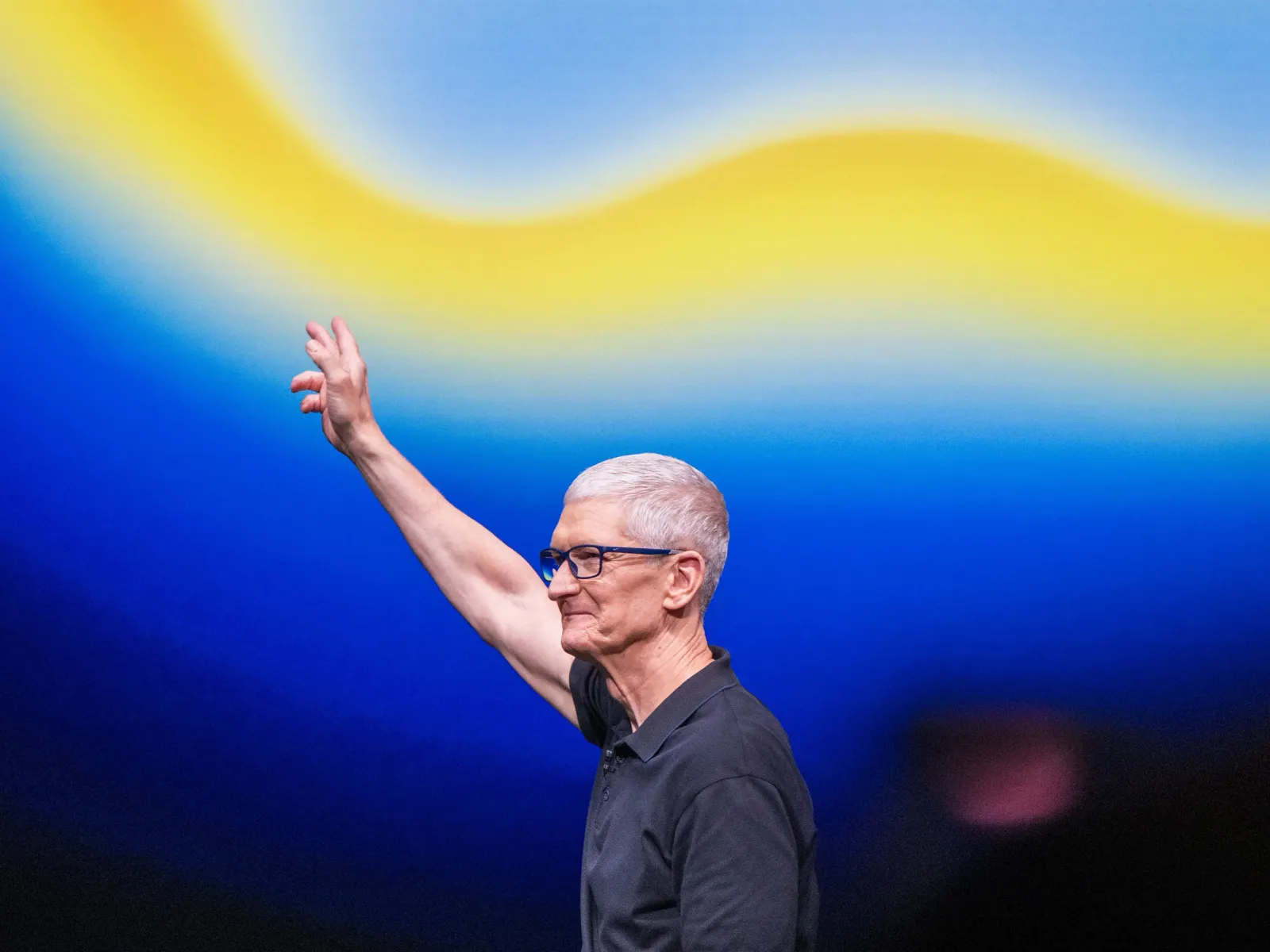
Tim Cook's 15-year Apple CEO run ends: 3 lessons for any successor
After 15 years, Tim Cook hands Apple to John Ternus - here's how he turned a $350B company into a $4.6T juggernaut.