

Rare working Apple I returns to auction, last sold for $671K
The same functioning 1976 Apple I that fetched over $671,000 at auction in 2013 heads to the block again, a fresh test of the vintage tech market.
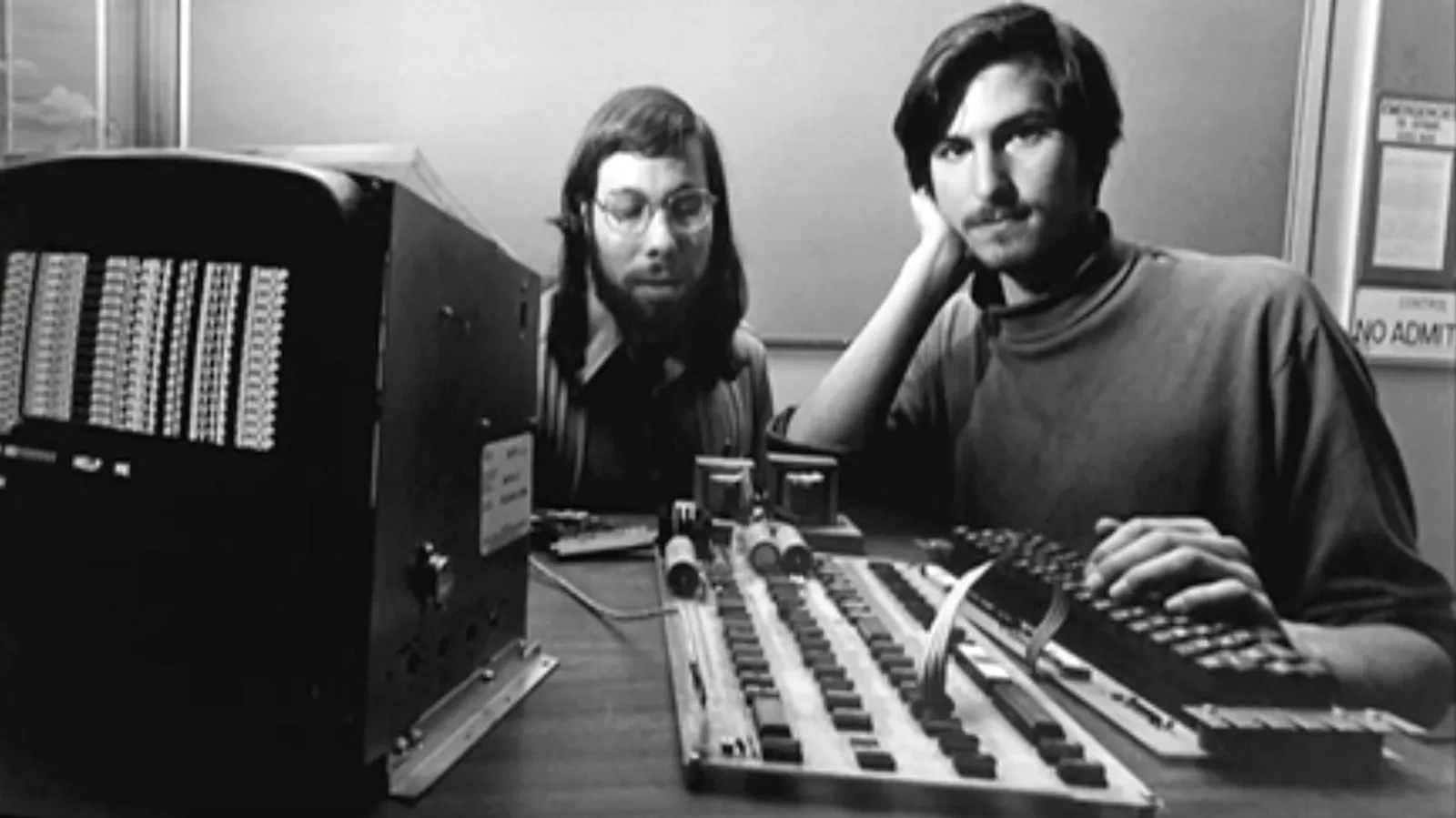
An original working Apple I computer, the same unit that sold for over $671,000 in 2013, is heading to auction again. For executives and investors, it underscores the enduring value of scarce technological artifacts and the strength of the collectibles market.
The same rare, working Apple I computer that fetched over $671,000 at a 2013 auction is headed back to the block. The listing, reported by Engadget, gives collectors and investors a fresh chance at one of the most iconic pieces of tech history ever built. This is not a replica or a later model; it is an original, functional unit from the first product Apple ever released, and its previous sale price has set a benchmark that makes this auction a major event for vintage tech enthusiasts.
To understand why this machine commands such staggering sums, you have to go back to 1976. Hand-built by Steve Wozniak and sold by a then-21-year-old Steve Jobs, the Apple I was introduced as a bare circuit board for $666.66 - a price that itself carries a bit of lore. Only about 200 units were ever produced, and industry estimates suggest fewer than 100 survive today, with only a handful still in working condition. This particular unit's proven history - including its 2013 sale for more than $671,000 - places it in an elite category of computing artifacts where authenticity and operational status are everything.
The vintage tech auction market has shown remarkable resilience in recent years. While other Apple I units have sold in the $400,000 range, this machine's prior high-water mark gives it a distinct provenance advantage. In collectibles, provenance is not just a nice-to-have; it is often the difference between a five-figure and a seven-figure price. The 2013 result already proved that a working, documented Apple I can attract global bidding, and the new auction will test whether that demand has grown, held steady, or cooled in the current economic climate.
For executives, this story is far more than a nostalgia trip. The Apple I's journey from $666.66 to over $671,000 in roughly four decades is a vivid case study in how scarcity, brand legacy, and cultural significance compound into tangible financial value. It is a reminder that intangible assets - brand equity, origin stories, founder mystique - can carry real weight on a balance sheet, even if they never appear in a quarterly report. When a company builds something genuinely innovative, it creates a heritage asset that outlives its original utility, and that heritage can become a strategic advantage.
The auction also highlights a broader trend: technology as a collectible asset class. From vintage game consoles to early mainframes, investors and institutions are increasingly treating hardware as art. This shift has implications for CFOs and boards. Companies sitting on prototypes, early product versions, or even internal archives may be holding more value than they realize. Preservation costs are modest compared to the potential appreciation of a rare, authenticated piece. For tech firms, establishing a formal process for preserving foundational artifacts could be as valuable as maintaining a patent portfolio - though it requires a different kind of due diligence, including climate-controlled storage, documentation, and authentication.
But there are risks that decision-makers should weigh carefully. Auction results can be volatile, and the market for such niche items is thin. Liquidity is limited - a seller cannot simply flip an Apple I like a stock or bond. There are ongoing costs for insurance, security, and environmental control, and the value is only realized at the moment of sale. The 2013 result may not repeat, but this item's status as a piece of computing's founding myth gives it a floor that most other vintage electronics lack. Buyers who see it purely as a speculative asset should understand the carrying costs and the uncertainty of future demand.
Strategically, the takeaway for any leader is this: in a world of rapid technological obsolescence, true innovation becomes heritage. Companies that build products with enduring cultural resonance - as Apple did with the Apple I - create assets that transcend their original function. That is a lesson in brand building that goes far beyond the auction block. It argues for thinking about long-term legacy, not just next-quarter results. When you are making history, even a circuit board can become a crown jewel.
As the auction date approaches, expect plenty of headlines. But beyond the hammer price, the real value lies in understanding how the past becomes a premium. For any executive watching the intersection of tech, culture, and capital, this Apple I is more than a computer - it is a proof point. Whether it sells for $300,000 or $1 million, the auction will offer a rare, public glimpse into how markets assign worth to the physical remnants of innovation, and what that says about the companies that create them.
This story's Key Insights and Take-aways are locked.
Create a free account to unlock Executive Actions for one credit.
Register to UnlockAlways free for Executives Club members. Join the Club
More in Technology
AI researcher's 26,000-word claim: Neural nets aren't tangled after all
Nick Cammarata's Goodfire post has the AI world split - if he's right, monitoring frontier models just got a lot easier.
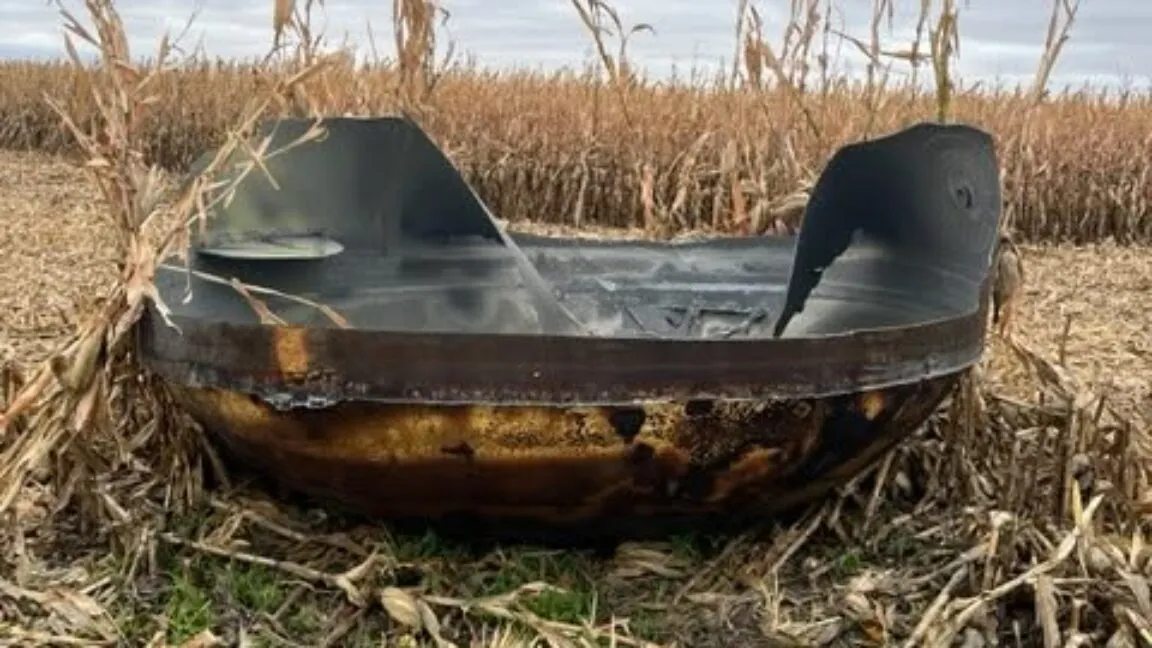
A Chinese rocket deorbited over Minnesota and landed in a farmer's cornfield
Experts tied the fragment to LandSpace's Zhuque-2E, which launched on September 15 and shed debris over the American Midwest after deploying 10 satellites.

JPMorgan Chase deploys first $5B into defense tech and hypersonic missiles
The bank is moving off its balance sheet to back robot factories, hypersonic missiles, and supply chains, signaling a new era of bank-backed military innovation.