
Rasonque's $480,000 price tag exposes 20-year cancer drug inflation
Revolution Medicines' new pancreatic cancer treatment Rasonque carries a record annual cost, highlighting a decade-long trend of soaring oncology prices.
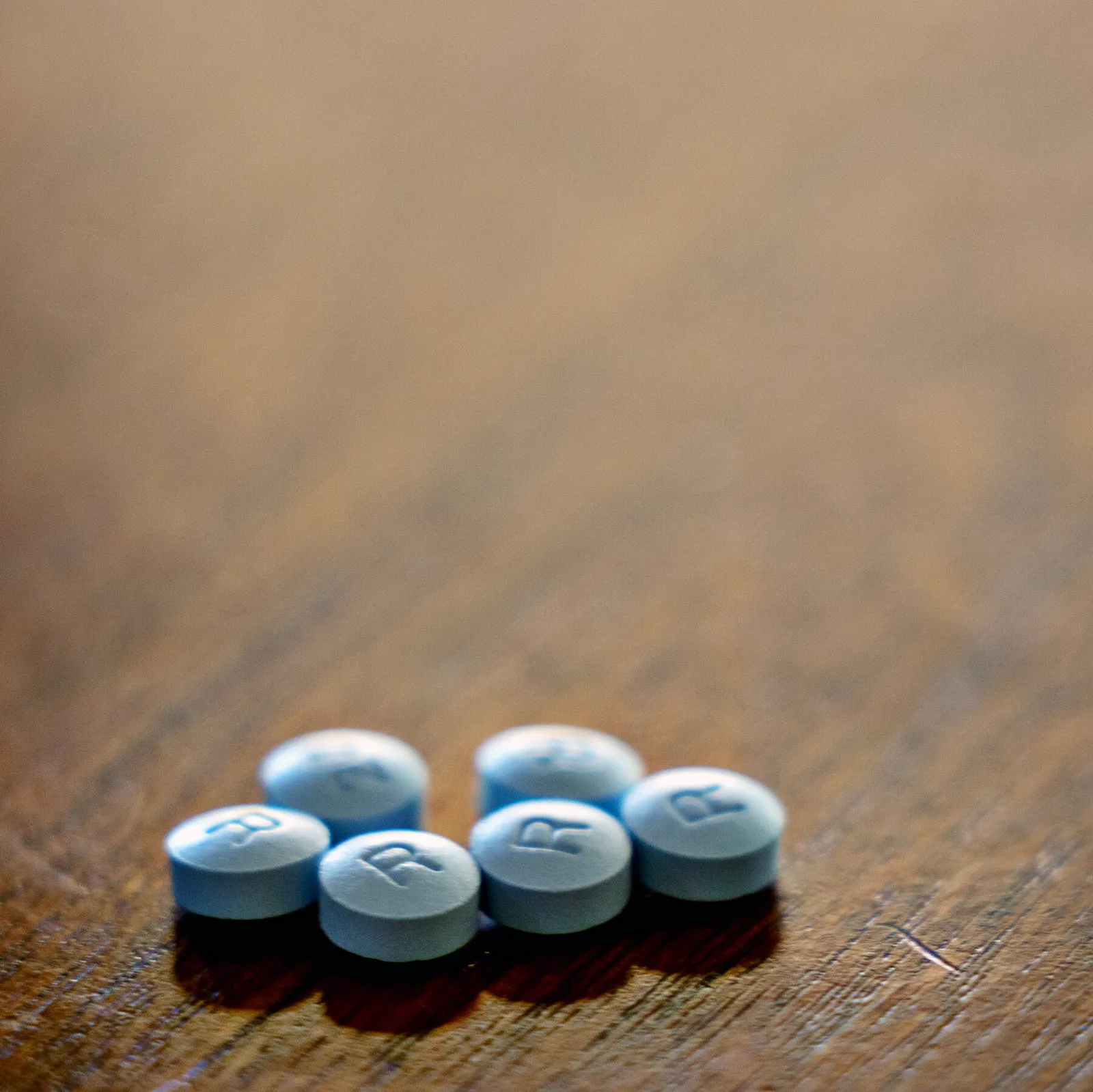
Revolution Medicines has launched Rasonque, a pancreatic cancer drug priced at $480,000 per year, making it one of the most expensive cancer therapies ever. The price underscores the relentless inflation in oncology drug costs, which have risen far faster than inflation over the past two decades, raising questions about access and sustainability.
The price of hope just got a new ceiling. Revolution Medicines, a biotech focused on targeting the RAS family of oncogenes, has set the annual cost of its newly approved pancreatic cancer drug Rasonque at $480,000. That figure, reported by The New York Times, places Rasonque among the most expensive cancer treatments ever brought to market-and it lands at a moment when the cost of oncology drugs has been climbing without a clear brake for two decades.
Rasonque is designed for patients with a specific KRAS mutation, a genetic driver found in roughly 90% of pancreatic cancers. The drug works by locking the mutant protein in an inactive state, starving the tumor of a key growth signal. In clinical trials, it showed meaningful responses in a disease that has historically been one of the deadliest and hardest to treat. But that clinical promise comes with a sticker shock that is becoming the norm rather than the exception in cancer care.
The $480,000 annual price tag is not an outlier-it is the latest data point in a long-running trend. Over the past 20 years, the launch prices of new cancer drugs have risen from a median of around $30,000 per year to well over $150,000, with many now exceeding $200,000. Rasonque's price pushes the envelope further, even as the drug is not a cure but a treatment that extends life, often by months rather than years. The justification from manufacturers is familiar: the cost of research and development, the risk of failure, and the value of a therapy that offers hope where none existed before.
Revolution Medicines has not publicly detailed its pricing rationale, but the pattern is well established. Drugmakers argue that high prices are necessary to recoup billions in R&D and to fund future breakthroughs. Yet the cumulative effect on the healthcare system is staggering. Pancreatic cancer is the third-leading cause of cancer death in the U.S., and the patient population is large enough that a $480,000 price tag could strain both public and private payers. Medicare, which covers most pancreatic cancer patients over 65, is prohibited from negotiating drug prices for many years after launch, leaving taxpayers to absorb the cost.
For patients, the financial burden is often indirect but no less real. While most insured patients will not pay the full list price, copays, coinsurance, and deductibles can still run into the tens of thousands of dollars annually. Some patients may face the choice between treatment and financial ruin, a dilemma that has become a recurring theme in oncology. The introduction of Rasonque will likely reignite the debate over whether the price of a drug should reflect its incremental benefit, and whether the current system of drug pricing is sustainable.
The broader implications extend beyond pancreatic cancer. Rasonque is part of a wave of targeted therapies that are increasingly precise but also increasingly expensive. As more drugs like this come to market, the cumulative cost of cancer care is projected to rise by double digits over the next decade. Employers, insurers, and government programs are all feeling the pressure, and some are beginning to push back with value-based contracts and formulary restrictions. But so far, the trajectory has been one-way: up.
What makes Rasonque particularly notable is that it is not a marginal improvement. It is a genuinely new mechanism of action for a cancer that has seen few advances in decades. That clinical value gives the company leverage in pricing negotiations, and it also complicates the moral calculus. If a drug works, who is to say it is not worth $480,000? The answer, increasingly, is that the system cannot afford to pay for every breakthrough at this price. The result is a growing tension between innovation and access, one that will define the next era of cancer care.
For executives and investors watching this space, Rasonque is a bellwether. It signals that the era of million-dollar cancer drugs is not a distant possibility but a present reality. The question is not whether prices will keep rising-they will-but how payers, policymakers, and patients will respond. The answer will shape not only the future of pancreatic cancer treatment but the entire oncology market. For now, the new normal is clear: breakthrough science comes with a price tag that only a few can afford, and the rest of the system is left to figure out how to pay for it.
This story's Key Insights and Take-aways are locked.
Create a free account to unlock Executive Actions for one credit.
Register to UnlockAlways free for Executives Club members. Join the Club
More in Business

Tim Cook steps down as Apple CEO, stays on as chair with $45M equity
The 'Trump whisperer' keeps his White House and Beijing access as Apple navigates tariffs and a $4.6 trillion market cap.
Snowflake shares surge as AI data demand crushes estimates, lifting full-year forecast
Stocks jumped on stronger-than-expected guidance, signaling enterprise AI workloads are accelerating faster than Wall Street priced in.

Tim Cook's 15-year Apple CEO run ends: 3 lessons for any successor
After 15 years, Tim Cook hands Apple to John Ternus - here's how he turned a $350B company into a $4.6T juggernaut.