
Record physical Brent price exposes the world's oil desperation
Physical crude is trading at an unprecedented premium to futures, signaling a market so tight that buyers are paying anything to secure barrels now.
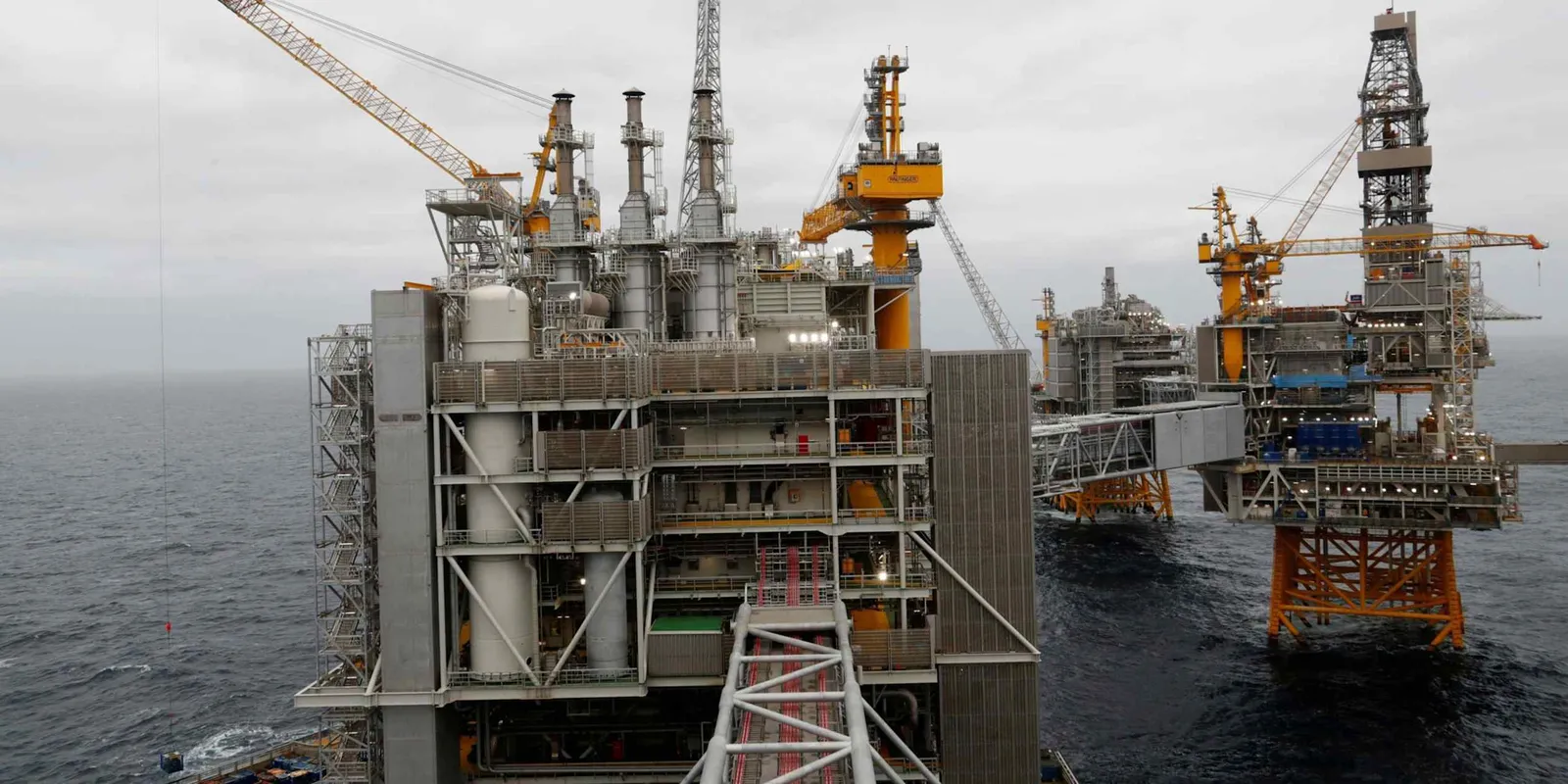
Physical Brent crude has hit a record price, reflecting intense immediate demand for oil as supply struggles to keep pace. For executives and investors, this signals sustained inflationary pressure and a strategic window for energy and hedging decisions.
The world's physical oil market just sent a message that futures traders are still digesting: spot Brent crude has climbed to a record price, a milestone that shows how badly buyers want barrels right now. Unlike the paper market, where contracts are settled financially, physical Brent represents actual cargoes of North Sea crude being loaded onto tankers. When that price breaks records, it means refiners, traders, and end-users are scrambling for immediate supply, not just betting on future prices. The premium of physical Brent over futures contracts has widened sharply, a sign of acute near-term scarcity that no amount of financial engineering can mask.
For decision-makers, this is not a niche energy story. Physical crude is the raw input for gasoline, diesel, jet fuel, and petrochemicals, so a record spot price feeds directly into inflation readings, central bank policy, and corporate input costs. The gap between physical and futures prices, known in the market as a super-backwardation, typically emerges when inventories are critically low and buyers cannot find prompt cargoes. That condition is now so extreme that it has pushed the physical benchmark to an all-time high, according to the Nikkei Asia report. The last time physical Brent traded at such a steep premium, the global economy was rebounding faster than producers could respond, and the same dynamic appears to be driving this move.
What makes this record particularly striking is the context. The oil market has been through a volatile decade: a price war in 2020, a demand crash during the pandemic, then a sharp recovery that caught producers off guard. OPEC+ has been gradually restoring supply, but its decisions are constrained by politics, spare capacity, and the need to keep prices high enough for member budgets. Meanwhile, non-OPEC producers like the United States have focused on capital discipline, returning cash to shareholders rather than drilling aggressively. The result is a structural tightness that physical buyers feel first. When a refinery needs a cargo next month, it cannot wait for a futures contract to expire; it must pay the spot price, and the spot price is now at a record.
The implications extend well beyond the oil patch. For central banks, a sustained rise in physical crude prices complicates the fight against inflation. Energy costs are a major component of consumer price indices, and a record physical Brent price will eventually show up in pump prices and heating bills. For corporate treasurers, it raises the cost of hedging: if physical prices are running ahead of futures, the basis risk in any hedging program becomes more expensive to manage. Airlines, shipping companies, and logistics firms that rely on fuel will feel the squeeze in their next quarterly results. Even technology and consumer companies are exposed through supply chain transportation costs, which tend to rise when energy prices spike.
For investors, the record physical price is a reminder that commodity markets can diverge from financial markets in ways that create both risk and opportunity. Energy equities have rallied in recent months, but the physical premium suggests the underlying fundamentals are even tighter than equity prices reflect. Conversely, companies with long-term fixed-price supply contracts may be sitting on hidden value, while those with unhedged exposure face margin pressure. The physical-futures spread is itself a tradable signal: when it widens, it often precedes a broader move in energy prices, as physical buyers force futures to catch up.
The strategic takeaway for executives is to revisit assumptions about energy costs. The era of cheap, abundant oil is not necessarily over, but the current market structure suggests that prompt supply is scarce and expensive. Companies should stress-test their budgets against a scenario where physical crude stays at a record premium for several quarters. That means reviewing procurement contracts, evaluating inventory strategies, and considering whether to lock in fuel costs now rather than later. For boards, the question is whether the organization has the flexibility to absorb a sustained energy shock, or whether it needs to accelerate efficiency measures and alternative energy investments.
This record price also carries geopolitical weight. Major oil importers, particularly in Asia, are exposed to the physical market's tightness, and their governments may respond with strategic stockpile releases or diplomatic pressure on producers. Exporters, meanwhile, gain leverage and revenue, which could reshape trade balances and currency movements. The physical Brent record is not just a number on a screen; it is a signal of who holds power in the global economy right now. For anyone making decisions about capital, pricing, or strategy, ignoring that signal is a risk no executive can afford to take.
This story's Key Insights and Take-aways are locked.
Create a free account to unlock Executive Actions for one credit.
Register to UnlockAlways free for Executives Club members. Join the Club
More in Business

Elon Musk unveils a flying car, and SpaceX helped build it
The Tesla CEO's showcase at a SpaceX facility signals a future where road and rocket engineering converge.

Apple's $2,000 iPhone Duo opens preorders, taking on Samsung and Google
Apple's first foldable hits the market at a premium price, reshaping a category Samsung and Google have led.

Pope Leo XIV, first American pope, diagnosed with lung cancer
The 71-year-old Chicago-born pontiff underwent successful surgery on his right lung, and his diagnosis raises new questions about his AI-focused papacy and the Vatican's future.