
Reggaeton Beach Festival cancels 2026 Spain tour, citing economic and operational collapse
Seven 2026 stops in Spain including Barcelona will not happen after organizers said the company cannot meet required guarantees.
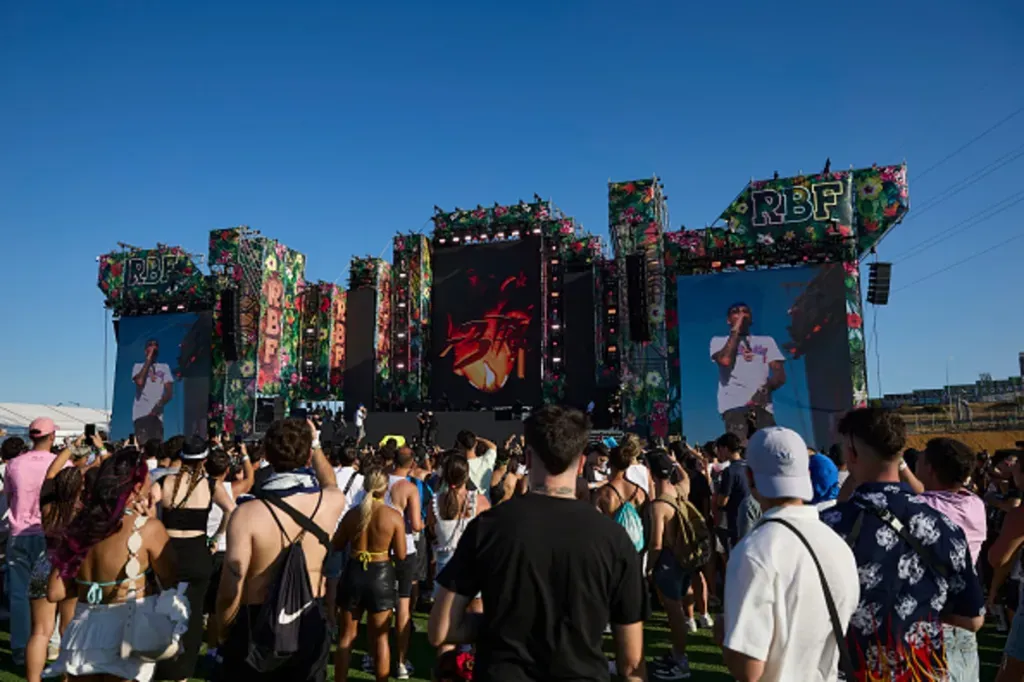
Reggaeton Beach Festival organizers canceled its eighth edition's 2026 tour across Spain after citing economic and operational difficulties. For executives, the move is a reminder that festival “pipeline risk” can turn into immediate ticketing, cashflow, and reputational exposure.
Reggaeton Beach Festival (RBF) organizers canceled the festival’s 2026 edition across Spain, affecting all seven stops scheduled for this summer. The announcement came Thursday, June 18, when the organizers said economic, financial, and operational circumstances now make it impossible to carry out the events “with the necessary guarantees.”
The cancellation includes the event planned for Barcelona on June 27-28, which organizers described as the first stop to take place in 2026. The lineup for those planned dates had included performances from artists such as Myke Towers, Omar Courtz, and Anuel AA. In short, the project did not just slip. It stopped.
In an official statement published on social media, the organizers explained that after analyzing the global situation of the project, the company’s operational and financial structure no longer allows it to stage an event of this magnitude. They said new management identified “economic, financial and operational circumstances that significantly affect the viability of the project.” That phrasing matters. It signals the organizers are not framing the problem as a single booking issue or a logistical hiccup. It is a full-stack viability argument: money, operations, and capacity to execute.
For decision-makers used to thinking of festivals as “demand-driven” businesses, this is the uncomfortable counterpoint: large-scale live events are also balance-sheet businesses. The organizers explicitly stated that the managing company “is not in a position to continue with the 2026 tour or to maintain the operational activity required for the development of the scheduled events.” That is the kind of sentence that usually lands when cash buffers run thin, vendors start tightening terms, or the costs of guarantees and compliance exceed what the operating model can cover.
There is also a procedural and customer-impact angle here, and it is where the operational risk shows up in the real world. Billboard Español reached out to the organizers for more details but had not received a response at the time of publication. For now, no information has been provided about the procedure attendees should follow to recover the cost of tickets and passes already purchased. That gap is not a footnote for executives. It is the kind of uncertainty that can convert operational distress into consumer claims, chargebacks, reputational damage, and regulatory attention depending on how refunds and consumer protections are handled.
The statement addressed the human side directly, saying the organizers are fully aware of the disappointment, concern, and inconvenience the announcement causes to everyone who placed trust in RBF for this edition. They emphasized that “behind every festival there are tickets, trips, excitement, plans and expectations,” and they “deeply regret that the 2026 tour cannot take place.” They also thanked everyone who has been part of the festival over the years. That tone likely reflects two realities at once: organizers know this is an audience-first community business, and they also know that clarity around refunds and next steps will be scrutinized.
Looking at the market context, RBF was planning a series of events across multiple Spanish locations this summer, including Barcelona, Madrid, Tenerife, Mallorca, Santander, Nigrán, and Alicante. When projects span multiple cities and rely on coordinated production, staffing, staging, and local partnerships, the operational burden is cumulative. In that environment, a company that can no longer maintain operational activity will struggle not just to start, but to restart safely at each venue. The cancellation is therefore both a single decision and a signal about the fragility of long lead-time entertainment pipelines.
Strategically, the bigger lesson for peers is that festival risk can “snap” from forecast to reality quickly. The organizers framed their decision as the result of analyzing “the global situation” of the project and concluding the company cannot provide the necessary guarantees. That is a reminder that live entertainment deals depend on more than ticket sales. They depend on financing structures, operational readiness, and a credible ability to deliver under constraints. When those inputs break, the entire tour can vanish, leaving executives across the ecosystem to manage refunds, vendor relations, and brand trust in public.
This story's Key Insights and Take-aways are locked.
Create a free account to unlock Executive Actions for one credit.
Register to UnlockAlways free for Executives Club members. Join the Club
More in Entertainment

Russell Brand's accuser 'bewildered and confused' as he denies 7 sex charges
The criminal case against the comedian is a live test of how media companies manage talent risk when serious allegations go public.

'It's a Magic Trick': Ballet Experts Say Rosalía's SNL Pose Is Impossible
Three ballet experts tell Rolling Stone Rosalía's gravity-defying SNL stillness shouldn't be possible - and why the debate is now part of the show.

Activision CMO: GTA 6 Will Boost Call of Duty, Not Bury It
Activision's top marketer says Rockstar's blockbuster will drive players back to consoles and into Modern Warfare 4, even as the company admits its recent strategy failed.