
Richard Garriott starts reclaiming Ultima copyrights from EA, potentially in 2027
EA may keep the Ultima trademark, but Garriott says he is pulling the copyright back under US law.
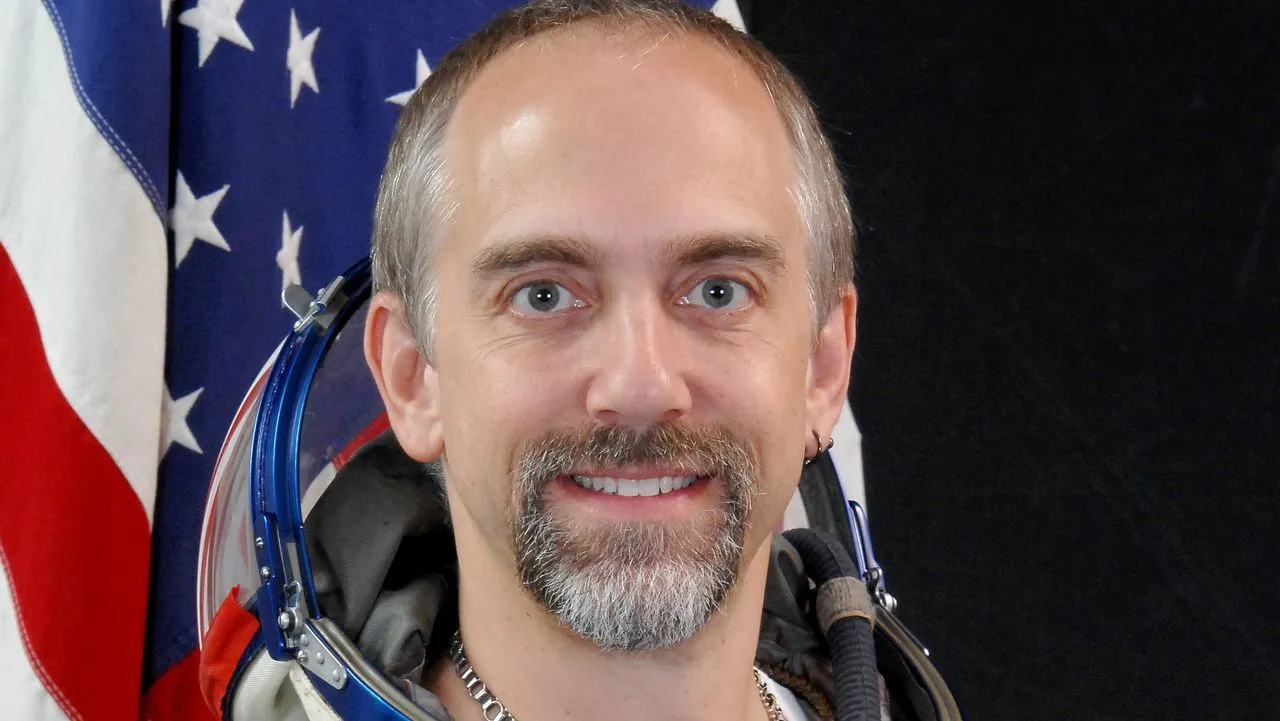
Richard 'Lord British' Garriott is reportedly reclaiming the Ultima copyrights from Electronic Arts, starting with a 2027 window, after selling Origin Systems to EA in 1992. For decision-makers, this shifts who controls future CRPG IP and could unlock a new era of branded Ultima style games without EA owning the core copyrights.
Richard 'Lord British' Garriott says he is reclaiming the Ultima copyrights from Electronic Arts, and the timing could be as soon as 2027. The trigger is US copyright law, which allows creators, or their heirs, to reclaim a copyrighted work after a 35-year period. Since Garriott sold the Ultima rights to EA in 1992, Garriott can reclaim those rights in 2027.
This matters immediately because the reclaiming is about copyright, not trademark. The report is explicit: EA still owns the Ultima trademark, so Garriott cannot make a game titled simply “Ultima.” What he can do, and what he says he plans to do, is make something with a different name, such as “Lord British's Ultima.” In a statement to Inside Games, Garriott said, “Lord British's Ultima will regain all the copyrights of my original work,” and added, “What it will become is the next challenge.”
So what actually changed? According to Inside Games writer Brian Gaar, EA filed new trademarks related to the Ultima series, prompting Gaar to contact Garriott and ask what he knew about it. Gaar reports that Garriott told him he has repeatedly attempted to revive Ultima while the series was under EA. Garriott’s summary of that long relationship is blunt: “Every decade or so, I tried to work with EA on a revival of Ultima. They always seemed interested enough to start talking, then abandoned talks just as quickly.” Now, instead of waiting for those talks to revive, Garriott is acting on the copyright reversion mechanism.
For executives, the strategic subtext is that IP control is not only about who owns the brand name. Trademark ownership can block certain titles, but copyright ownership is what typically governs the creative rights, adaptation, and the ability to build future works that draw on the original protected expression. In the Ultima case, the series’ history shows why that distinction is high-stakes. Ultima is described as a cultural touchstone in PC gaming, with Garriott’s mainline CRPGs and also major influences in adjacent genres. Spinoffs like Ultima Underworld and Ultima Online are called key texts in immersive sims and MMOs, respectively, and the report notes Ultima 7 as a major inspiration for Larian Studios when developing Divinity: Original Sin and Baldur's Gate 3.
That influence is why the market context feels primed for an Ultima comeback, even if the company and the exact product are still uncertain. The report argues that “there’s arguably never been a better time for an Ultima revival,” pointing to the success of hyper-detailed CRPGs, including Larian Studios and other developers like Owlcat. That is not a guarantee of a revival, but it changes the environment in which any new IP-holder might choose to invest. If the audience is already showing up for deep systems, meaningful choices, and long-running RPG engagement, the risk profile for a legacy IP restart looks different than it did in years when PC RPGs were less consistently profitable.
There is also a clear reason this could escalate faster than fans might expect: Garriott is reclaiming rights through a rule that is time-based, not negotiation-based. That means the critical milestone is the calendar. The report’s timeline is specific: Garriott sold the Ultima rights to EA in 1992, so the 35-year clock points to 2027. Garriott also told Inside Games, “And so, I have been waiting… finally, the time has come!” Even if development timelines usually run on different schedules, rights clarity is often the gating item for licensing, partnerships, and production planning.
What comes next may depend on branding work, because EA’s remaining trademark ownership constrains naming and could influence how future games are presented to consumers. Garriott cannot simply put “Ultima” on the cover, but he could build around “Lord British’s Ultima” or other variants that reflect the original creative identity he is reclaiming under copyright. The report also flags that Garriott is attending this year’s Dragon Con, where he may reveal more details and hopes to have “more thoughts together” about what reclaiming the rights will mean.
Second-order implications for boards and senior leadership are hard to ignore. When an IP reversion window opens, the control question moves from “Will the current owner fund a revival?” to “Who can now structure the next deal, production, and partnership quickly when the rights shift?” For companies that operate in adjacent RPG ecosystems, this is also a reminder that legacy creators can regain leverage through law, not just through negotiations. And for any studio watching CRPG demand, the question is not whether Ultima returns at some point, but who will be positioned to capitalize on the moment it becomes legally possible.
This story's Key Insights and Take-aways are locked.
Create a free account to unlock Executive Actions for one credit.
Register to UnlockAlways free for Executives Club members. Join the Club
More in Entertainment

Russell Brand's accuser 'bewildered and confused' as he denies 7 sex charges
The criminal case against the comedian is a live test of how media companies manage talent risk when serious allegations go public.

'It's a Magic Trick': Ballet Experts Say Rosalía's SNL Pose Is Impossible
Three ballet experts tell Rolling Stone Rosalía's gravity-defying SNL stillness shouldn't be possible - and why the debate is now part of the show.

Activision CMO: GTA 6 Will Boost Call of Duty, Not Bury It
Activision's top marketer says Rockstar's blockbuster will drive players back to consoles and into Modern Warfare 4, even as the company admits its recent strategy failed.