
Rick and Morty season 9 finally returns a season 1 villain after 13 years
Season 9 episode 5 drops on June 21, and the comeback hints at more spinoff-ready mythology.
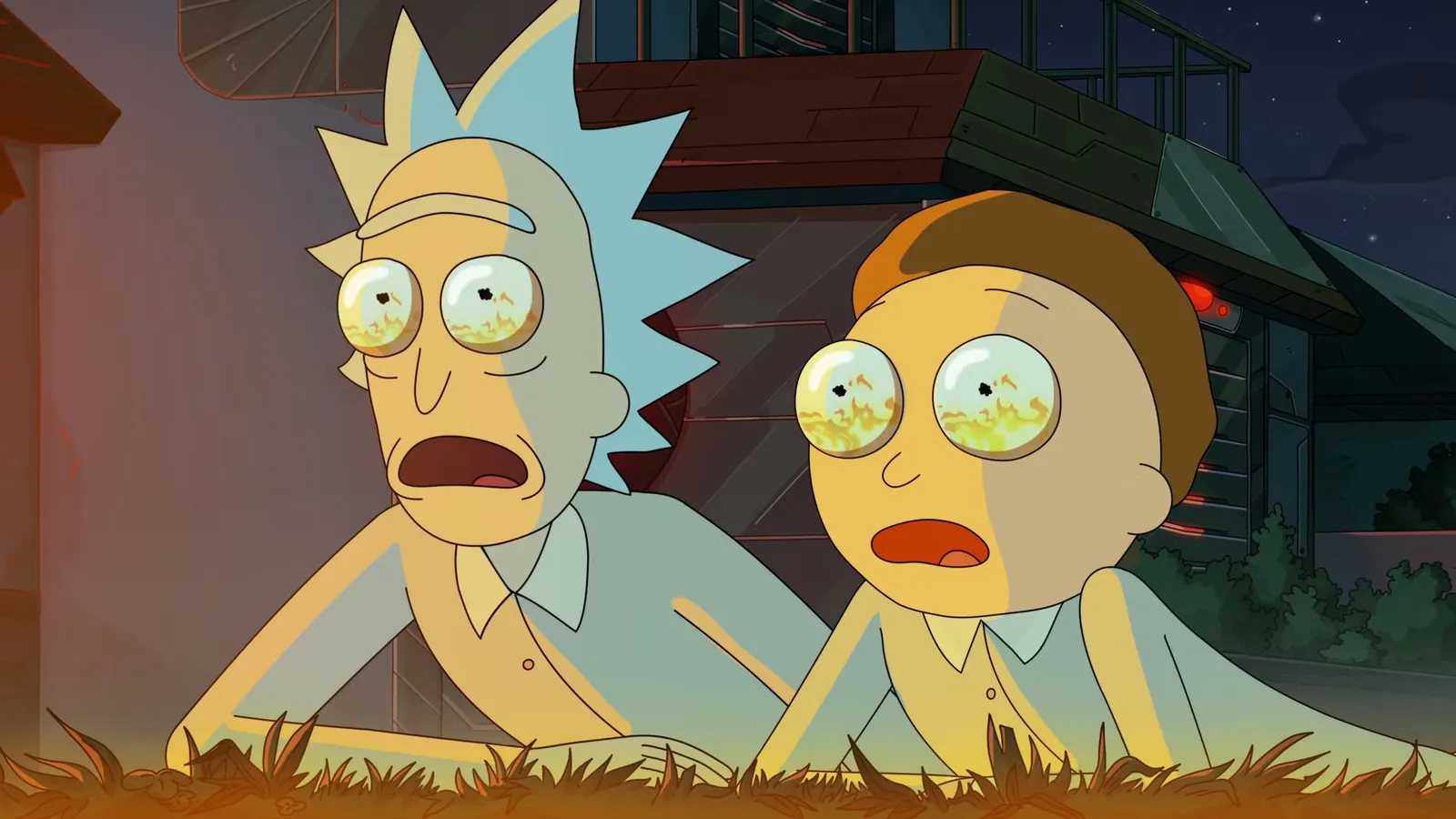
Rick and Morty season 9 is bringing back a fan-favorite character from season 1 in episode 5, airing on June 21. The return of an old villain last seen 13 years ago raises the stakes for how the series expands its long-running world.
Rick and Morty season 9 just pulled off a very specific kind of magic trick: it brought back a villain from season 1 that has not been seen for 13 years. Polygon reports that the latest episode is returning one of the oldest antagonists in the show’s history, and it’s landing in season 9 episode 5, which airs on June 21. This is not a random background cameo. In a series built on recursion, payoff, and lore, bringing an early-era villain back after a 13-year absence is a big storytelling decision, and it matters for anyone watching how the show’s mythology is being managed.
To be clear about the timing, the comeback is tied to season 9 episode 5, airing on June 21. And it is framed as a return of “one of the show’s oldest villains,” specifically a fan-favorite character from season 1 that hasn’t appeared in 13 years. That gap is the entire point. Rick and Morty is now deep enough into its run that most viewers can predict the broad rhythms: episodic chaos, escalating weirdness, and the occasional permanent ripple. But a 13-year gap implies the writers are selecting characters with long-term value, not just recycling familiar faces for quick nostalgia.
Over nine seasons, Rick and Morty has accumulated a massive cast of bizarre characters. The show includes clones, aliens, superheroes, cyborgs, and birdpeople. Most characters function as one-time gags inside the episodic adventure format featuring Rick Sanchez and his grandson Morty Smith. Yet recurring allies and enemies have done more than entertain. They have expanded the show’s mythology and also helped develop Rick as a character over time. In other words, repeat characters are part of the character engine, not just seasoning.
There are already multiple recurring figures that demonstrate how the show builds continuity. Birdperson, Unity, and Mr. Nimbus have helped establish the world’s connective tissue, while recurring antagonistic pressure comes from figures like President Andre Curtis, who is even getting his own show. That detail is important for context. If you are running a TV universe, the question is always: what elements are franchise-worthy? The answer is typically not “who had the funniest gag once,” but “who can sustain storylines across seasons, spinoffs, or at least meaningful ongoing arcs.” Curtis getting a show signals that the production team is actively looking for spinoff potential, and it also raises the value of any returning villain with an established fan base.
So why does this 13-year return feel like more than a lore nod? Because Rick and Morty is already organized around recurring relationships. The show has allies and enemies that come back often enough to matter, even if the plots are wildly unconventional. When an old season 1 villain reappears after such a long absence, it suggests either a renewed narrative purpose or a strategic decision to strengthen the universe. And strengthening the universe is exactly what helps long-running series remain culturally relevant, especially when new seasons need to keep both casual viewers and die-hard fans engaged.
There is also a second-order effect that matters beyond fandom. Streaming-era shows live and die by audience retention. Even when the subject matter is cartoon chaos, the business reality is continuity. The more a show can reward returning viewers with meaningful returns, the more it reduces the friction of “what did I miss?” over time. A fan-favorite villain returning after 13 years creates an event feeling. It turns an episode into a must-watch for people who have been waiting for a specific character, and it converts that wait into a reason to keep watching season 9.
And for executives, producers, and anyone thinking about how universes scale, there is a clear playbook hiding in plain sight. Rick and Morty has recurring characters with expanded mythology, plus at least one spinoff path signaled through President Andre Curtis getting his own show. Now, Polygon describes another fan-favorite character returning to the spotlight in season 9, episode 5, with “spinoff potential” called out explicitly. That does not mean the villain will absolutely spin off, but it does mean the material is being handled like it could.
Strategically, this is the moment: a long-absent villain is back, the episode date is concrete (June 21), and the framing is consistent with a bigger universe strategy. If you are in leadership roles for media, games, or any IP-driven product, the takeaway is simple: continuity is a competitive advantage. Rick and Morty is demonstrating that old characters can still be assets, if you treat them like long-term infrastructure instead of disposable one-off jokes.
This story's Key Insights and Take-aways are locked.
Create a free account to unlock Executive Actions for one credit.
Register to UnlockAlways free for Executives Club members. Join the Club
More in Entertainment

Russell Brand's accuser 'bewildered and confused' as he denies 7 sex charges
The criminal case against the comedian is a live test of how media companies manage talent risk when serious allegations go public.

'It's a Magic Trick': Ballet Experts Say Rosalía's SNL Pose Is Impossible
Three ballet experts tell Rolling Stone Rosalía's gravity-defying SNL stillness shouldn't be possible - and why the debate is now part of the show.

Activision CMO: GTA 6 Will Boost Call of Duty, Not Bury It
Activision's top marketer says Rockstar's blockbuster will drive players back to consoles and into Modern Warfare 4, even as the company admits its recent strategy failed.