
Rick Moranis returns as Dark Helmet in 2027's Spaceballs: The New One
A long-quiet star is stepping back in, reshaping how studios should think about legacy IP revivals.

Rick Moranis, long dormant on the big screen since 1997, will reprise Dark Helmet in 2027's Spaceballs: The New One. For decision-makers, the move is a real-time case study in de-risking a sequel by anchoring it to a recognizable, rare on-screen talent.
Rick Moranis is officially back as Dark Helmet. Rolling Stone reports the long-dormant actor, whose last big-screen appearance dates to 1997, will reprise the role in 2027's Spaceballs: The New One. And yes, this is the kind of casting news that instantly changes the mood around a project, because it is not just “another reboot.” It is a return built on a specific, beloved character.
The timeline is also telling. The film is slated for 2027, which means this is not a “we need content next quarter” decision. This is a longer runway play, where studios can afford to build attention and credibility early, then keep compounding it until release. Moranis did not disappear because audiences moved on from comedy IP. He disappeared because the industry is hard and schedules are brutal. So when he resurfaces, the project gets an automatic stamp of legitimacy.
For executives, the practical question is straightforward: what does a legacy character anchor buy you beyond headlines? In the entertainment business, the supply of fresh, original hits is limited and expensive. Meanwhile, proven worlds come with built-in audiences, but also with expectations that can be a landmine. Casting Moranis as Dark Helmet signals the film is trying to honor the original intent, not just borrow a logo. That matters for board-level risk management, because market confidence often correlates with whether the sequel feels “earned” instead of “assembled.”
There is also a second-order incentive structure here that boards should notice. When a project lands a high-recognition talent who has been absent from the big screen for decades, it can strengthen downstream monetization. That includes marketing efficiency, international appeal, and media partnerships that want the story to be about more than plot. A 2027 release gives plenty of time for awareness campaigns to turn into sustained fandom pressure. In other words, Moranis is not just a character match, he is a content strategy signal.
Now, let’s zoom out to the broader environment around legacy revivals. Film and TV IP has become a major asset class because companies want predictable demand curves in an unpredictable market. But “predictable” does not mean “safe.” If the creative choices miss, the brand backlash is sharper because fans arrive already informed. Casting a polarizing or mismatched actor can magnify that backlash. Moranis, by contrast, is the type of recognizable, long-in-demand comedic presence that can reduce the chance the audience feels bait-and-switched. That is the quiet win for governance, finance teams, and whoever is tasked with keeping the project inside its budget narrative.
Regulatory pressure is not the headline here, but it still belongs in the room. Entertainment companies operate under a patchwork of labor rules and unionized production constraints, plus evolving standards around advertising and consumer transparency. Those frameworks shape schedules, marketing claims, and release planning. A 2027 slot for a high-profile reprise typically implies the studio is planning early enough to clear practical production hurdles, line up talent availability, and avoid last-minute disruptions that are expensive and reputationally risky.
So what should executives take from this? Moranis returning as Dark Helmet is a reminder that the best legacy strategy is not only about brand recognition. It is about treating talent relationships like strategic assets. The best-case scenario for a sequel is that audiences feel continuity in the details they actually care about. This announcement is positioned exactly there: a specific actor, a specific character, and a specific moment in the franchise timeline.
Peers building around old favorites should watch the longer-term effect this creates. When a dormant actor comes back, it can also change how fans interpret subsequent casting decisions, trailers, and even merch. It can raise the internal bar on comedic tone and character performance. If the film delivers, it validates a repeatable playbook for studios. If it misses, it also raises the stakes because it sets expectations that are harder to defuse later.
In short: 2027's Spaceballs: The New One now has a cornerstone. Rick Moranis reprising Dark Helmet brings a unique blend of nostalgia and credibility that can turn a legacy revival from “maybe” into “must-watch.” For decision-makers, that is the strategic leverage you want early, before the budget and creative conflicts start pulling in opposite directions.
This story's Key Insights and Take-aways are locked.
Create a free account to unlock Executive Actions for one credit.
Register to UnlockAlways free for Executives Club members. Join the Club
More in Entertainment

'It's a Magic Trick': Ballet Experts Say Rosalía's SNL Pose Is Impossible
Three ballet experts tell Rolling Stone Rosalía's gravity-defying SNL stillness shouldn't be possible - and why the debate is now part of the show.

Activision CMO: GTA 6 Will Boost Call of Duty, Not Bury It
Activision's top marketer says Rockstar's blockbuster will drive players back to consoles and into Modern Warfare 4, even as the company admits its recent strategy failed.
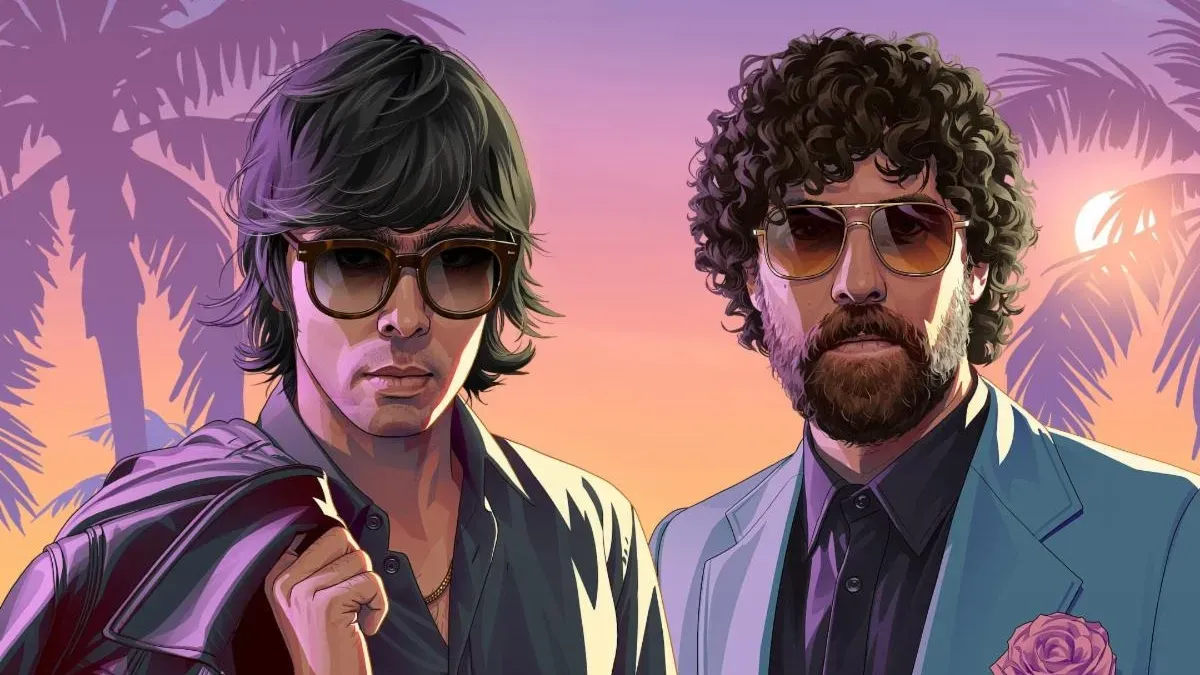
Justice to Score GTA 6, Share New Song with Tame Impala, SZA, King Gizzard
Rockstar taps the French duo for the GTA VI score, and the first taste is a genre-melting collab with Tame Impala, SZA, and King Gizzard & The Lizard Wizard.