
Rivian’s R2 bet: turn a niche luxury EV maker into a Tesla-style mainstream brand
The R2 SUV is Rivian’s playbook to escape luxury-only perception and compete for everyday EV buyers like Tesla does.
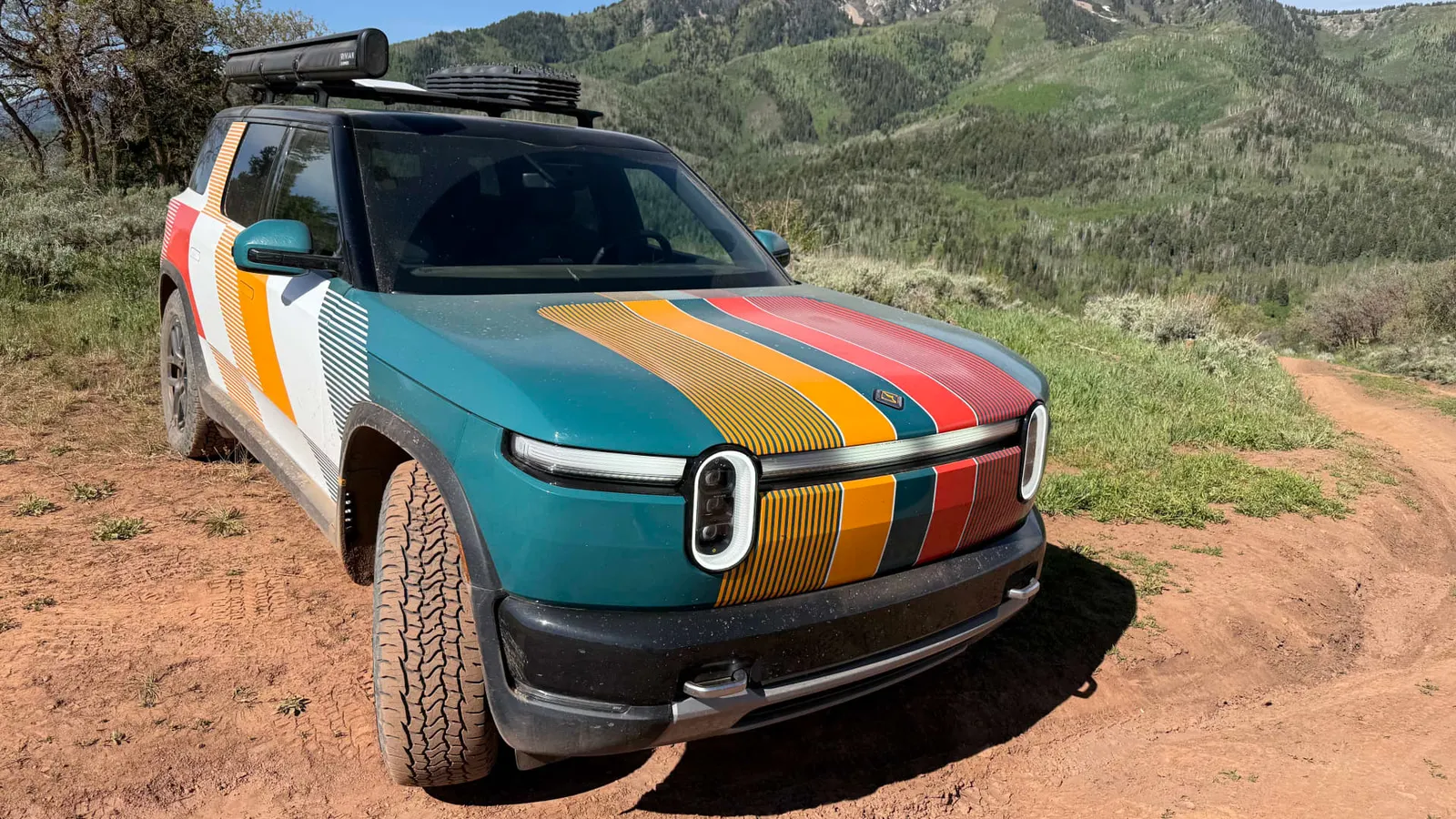
Rivian is betting its upcoming R2 SUV can change how the company is perceived, pushing it from niche luxury EV status toward mainstream recognition like Tesla. For decision-makers, the core issue is whether a product-led volume strategy can reset brand, demand, and competitive positioning in a crowded EV market.
Rivian’s R2 SUV is not just another vehicle release. It is the company’s explicit bet to transform Rivian from a niche EV automaker that sells luxury vehicles into a more mainstream brand that can sit in the same mental category as Tesla.
That is the stake, plain and simple. Tesla has spent years becoming a default EV choice in the US, while Rivian is still fighting the “luxury-first, niche-second” identity that comes with a smaller, higher-ticket lineup. The R2 is meant to be the bridge between those worlds. If it lands with mainstream buyers, Rivian’s sales conversation changes from “premium EV alternative” to “everyday EV option.” If it misses, Rivian risks staying stuck where it has been, competing harder for fewer buyers and paying a higher price for every additional sale.
This kind of shift is rare because it is not just about design or specs. Mainstream EV brands are built through repeated market presence, scale-friendly economics, and an easy brand story. Luxury-only perception, on the other hand, can be sticky even when a company offers compelling tech. Buyers, fleet operators, and even media outlets often self-sort brands quickly, and that initial sorting can decide how much effort each new product has to spend earning legitimacy.
The R2 is Rivian’s attempt to rewrite that sorting. By targeting a broader audience, Rivian is implicitly aiming for volume, mass-market distribution readiness, and the marketing pull that comes with being a “household name.” In the US EV market, that matters because the winner is not only the company with the best technology. It is the company that becomes the shorthand for “this is what most people should buy.” Tesla built that shorthand through repeated product cycles and sustained consumer mindshare.
There is also a regulatory and policy backdrop that tends to reward scale. Governments and regulators have spent years trying to accelerate EV adoption through a mix of incentives, emissions targets, and charging infrastructure pushes. Even when specific rules differ by jurisdiction, the direction is consistent: more EVs, less tailpipe pollution. That generally favors automakers that can reach mainstream buyers efficiently, because the policy intent is adoption at scale, not boutique volume.
This is where Rivian’s mainstream ambition turns into a boardroom issue. A product like the R2 is inherently tied to capacity planning, supplier relationships, manufacturing strategy, and cost discipline. If Rivian can drive down per-unit costs through higher production volumes, it can potentially improve gross margin resilience, reduce sensitivity to demand swings, and fund the next generation of vehicles. If it cannot, the company could face the exact trap that hits many EV challengers: ambitious volume goals without the economics to support them.
For executives evaluating how hard this bet is, the biggest question is whether the R2 can change the business in a way that the market believes. The source frames the R2 as the mechanism to turn Rivian into a more mainstream brand like Tesla. In practical terms, that means the R2 must perform across multiple dimensions at once: it must appeal beyond luxury buyers, and it must do so at a price and total ownership profile that feels accessible to mainstream households. Branding and consumer behavior usually do not shift because of a promise. They shift because customers repeatedly have a positive purchasing experience.
Second-order, the move also reshapes competitive dynamics. If Rivian’s R2 gains traction, Tesla benefits from having more electrified competition in the category, but it also faces a more formidable rival for mainstream share. At the same time, other EV makers that have been targeting premium or mid-market buyers are forced to reconsider their positioning if Rivian successfully claims “mainstream” status. In an industry where brand perception can be as important as hardware, winning the mainstream narrative can attract attention, investment, and manufacturing confidence.
That is why the R2 matters so much to decision-makers beyond Rivian. The EV market is now less about who can build a car and more about who can win the next wave of buyers efficiently. Rivian is trying to climb that ladder with a single product bet: make the brand household-recognizable, not just enthusiast-approved. In a market still working through demand, pricing pressure, and cost curve uncertainty, that distinction can determine who grows and who gets stuck.
This story's Key Insights and Take-aways are locked.
Create a free account to unlock Executive Actions for one credit.
Register to UnlockAlways free for Executives Club members. Join the Club
More in Business

Anthropic’s Levant Alpöge cracks the Jacobian conjecture after 87 years
A Harvard valedictorian used Claude to hit a 1939 breakthrough, but the missing “why” is the real problem.

Uber buys Delivery Hero for nearly $15B, vaulting to top food delivery outside China
The deal doubles Uber's dual-services footprint and pushes a ride-and-eats bundling play into 50 more markets.

Epic and Google drop settlement bid, forcing rival Android app stores by July 22
Google told the court it is ready to carry third-party app stores starting Wednesday, July 22.