
Riyadh and Paris Agree to Coordinate on Regional Flashpoints
A new Saudi-French alignment on regional issues signals closer coordination with implications for Gulf diplomacy and European business.
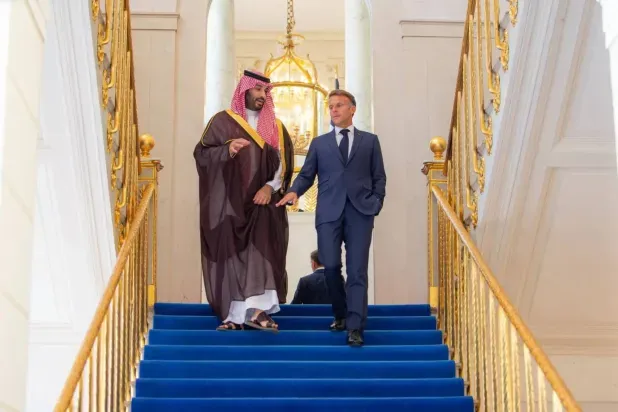
Saudi Arabia and France have reached an understanding on regional issues and agreed to strengthen their strategic partnership, according to Asharq Al-Awsat. The move signals closer coordination between Riyadh and Paris on Middle East diplomacy, with implications for investors and executives watching Gulf-European ties.
Saudi Arabia and France have reached an understanding on regional issues and agreed to strengthen their strategic partnership, according to a report from Asharq Al-Awsat. The development marks a formal step toward closer coordination between Riyadh and Paris at a time when Middle East diplomacy is under intense pressure. For executives and policymakers, the headline is not just a diplomatic nicety; it is a signal that two influential capitals intend to move in tandem on sensitive files that could affect energy markets, defense contracts, and regional stability.
The understanding is not a treaty or a detailed agreement, but a diplomatic signal that the two governments intend to align their positions on regional issues. For decision-makers, the practical effect is likely to be more frequent consultations, joint statements, and coordinated moves in international forums. That matters because France holds a permanent seat on the UN Security Council, while Saudi Arabia carries significant financial and political weight across the Arab world. When these two actors align, they can shape agendas, broker compromises, and influence outcomes in ways that smaller or more isolated players cannot.
The relationship between the two countries has deep roots. France has long been one of Saudi Arabia's major arms suppliers, and Saudi Arabia is a significant market for French aerospace, energy, and luxury goods. In recent years, the two governments have also cooperated on cultural and tourism projects, including the development of the AlUla heritage site, which is part of Saudi Arabia's Vision 2030 diversification plan. The new understanding builds on that foundation, extending cooperation from economics into regional politics. It also reflects a mutual recognition that neither country can address the Middle East's most pressing challenges alone.
The phrase 'strategic partnership' is used deliberately in diplomatic communiques. It typically signals a level of trust and coordination that goes beyond routine bilateral relations. For Saudi Arabia, deepening ties with France offers a European counterweight to its long-standing security relationship with the United States. For France, a closer alignment with Riyadh provides a channel into Gulf decision-making and a potential partner on issues ranging from energy security to migration and counterterrorism. The understanding suggests that both governments see value in institutionalizing their cooperation rather than relying on ad hoc contacts.
The timing is significant. Regional tensions have been elevated for months, with conflicts and diplomatic standoffs across the Middle East. Saudi Arabia has positioned itself as a mediator and a hub for international talks, while France has sought to maintain influence in former mandate territories and across North Africa. An understanding between the two capitals could make it easier to coordinate on crisis management, humanitarian access, and post-conflict reconstruction, though the source does not specify which regional issues are covered. That ambiguity is itself a signal: the two sides are likely keeping details private to preserve flexibility in sensitive negotiations.
For businesses, the implications are indirect but real. A stronger Saudi-French political relationship tends to reduce friction for French companies operating in the Kingdom and for Saudi entities investing in France. Sectors such as defense, energy, infrastructure, and technology are likely to benefit from a more predictable bilateral environment. Executives with exposure to either market should watch for follow-up announcements, including high-level visits, trade missions, and memorandums of understanding. The diplomatic understanding is a precursor to commercial activity, not a guarantee of it, but it lowers the political risk that often deters cross-border investment.
The understanding also fits a broader pattern of Saudi Arabia diversifying its international partnerships. Riyadh has been deepening ties with China, Russia, and India, while maintaining its traditional alliances with Washington and London. Adding France to that mix gives Saudi Arabia another influential voice in European capitals and another avenue for technology and investment flows. For France, the partnership reinforces its claim to be an independent diplomatic actor with reach beyond the European Union. It also gives Paris a foothold in the Gulf at a time when other European powers are competing for influence in the region.
What comes next will be visible in concrete actions. Joint statements, ministerial visits, and new bilateral agreements will show whether the understanding translates into policy. For now, the message is clear: Riyadh and Paris intend to move together on regional issues. That is a signal worth watching for anyone tracking Middle East geopolitics, Gulf investment flows, or the evolving role of European powers in the region. The partnership is not a revolution, but it is a meaningful step toward a more coordinated approach to the region's most intractable problems.
This story's Key Insights and Take-aways are locked.
Create a free account to unlock Executive Actions for one credit.
Register to UnlockAlways free for Executives Club members. Join the Club
More in Business
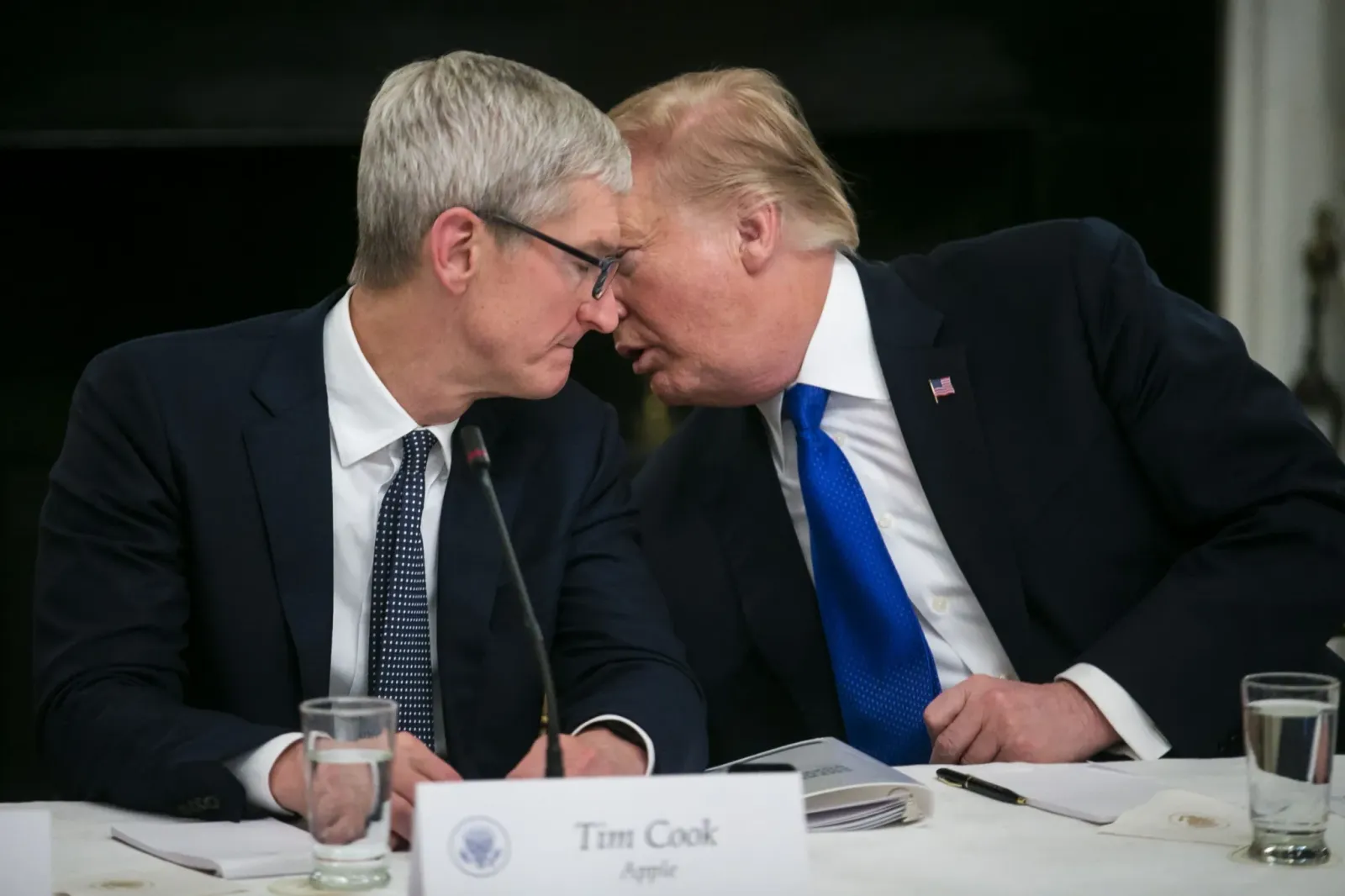
Tim Cook steps down as Apple CEO, stays on as chair with $45M equity
The 'Trump whisperer' keeps his White House and Beijing access as Apple navigates tariffs and a $4.6 trillion market cap.

Snowflake shares surge as AI data demand crushes estimates, lifting full-year forecast
Stocks jumped on stronger-than-expected guidance, signaling enterprise AI workloads are accelerating faster than Wall Street priced in.
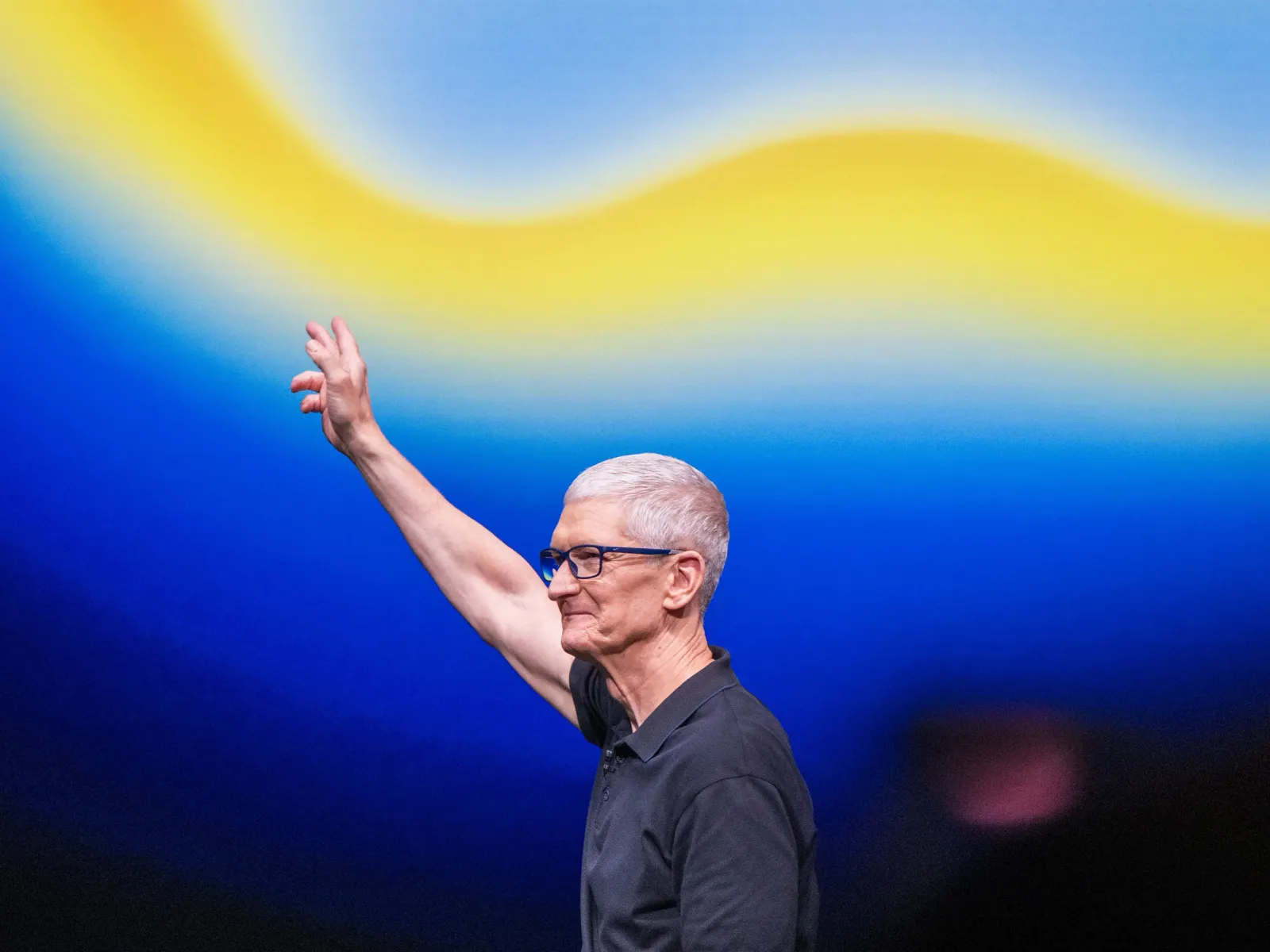
Tim Cook's 15-year Apple CEO run ends: 3 lessons for any successor
After 15 years, Tim Cook hands Apple to John Ternus - here's how he turned a $350B company into a $4.6T juggernaut.