

Rob Lowe says St. Elmo's Fire sequel script is in motion, but “trying to get it done”
After more than 40 years, Lowe and friends are working on a script and aiming to nail it this time.
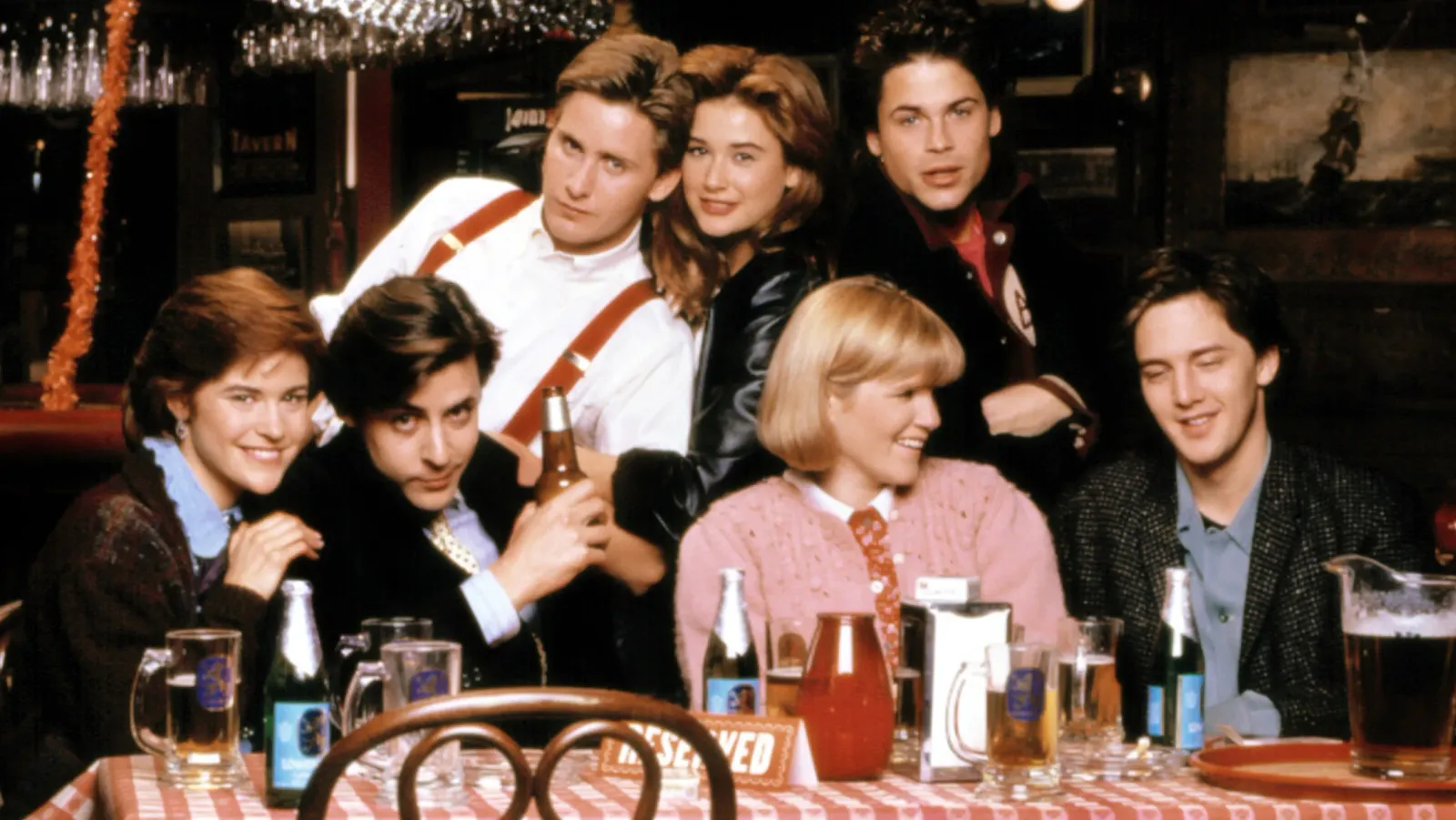
Rob Lowe, the six-time Golden Globe nominee behind St. Elmo's Fire, says the sequel is moving forward with a script now “in works.” The update matters for media executives because it highlights how long-gestating IP returns still depend on getting the right development decisions.
More than 40 years after St. Elmo's Fire first hit theaters, Rob Lowe says a sequel script is finally in the works. In a recent reveal, the 6x Golden Globe nominee confirmed that his team is “working on” the follow-up, and that they are “trying to get it done” in a way that they can stand behind. That matters, because nostalgia sequels are common. A sequel that actually gets made is not.
Lowe has previously noted there was interest in a follow-up, and now the gap between “wouldn’t it be cool” and “we have a script” is visibly shrinking. The core message is simple: the team is building the sequel’s next step internally, while also treating the script like the product it has to be. “Trying to get it done,” as he frames it, is not just a scheduling hope. It is an acknowledgement that for legacy IP, development is where the project either becomes real or quietly dies.
To understand why this is an executive conversation and not just a celebrity update, look at how long-cooked film properties typically work. The audience may carry affection for the original, but studios and production teams still need something harder to manufacture: a story that feels earned in the current era. Sequels live and die on whether the script respects what made the first film land, while also giving audiences a reason to care now. That is especially true when the creative team is not starting from scratch. In cases like this, the sequel is effectively judged against memory, which raises the stakes for tone, character continuity, and dialogue style.
The “script is in works” update also signals something about coordination and incentives. Lowe is not just talking about a concept. He is implying that the group behind the sequel has reached a stage where writing is an active workstream. That usually means the project has cleared the early barrier most entertainment plans never pass. Early stage development often includes scattered interest, loose conversations, and informal pitch energy. Script development is different. It requires time, commitment, and a shared sense of what “right” looks like. Even if Lowe’s comments are light on logistics, the fact that he emphasizes getting the script done indicates a focus on execution over vibes.
There is another layer worth noting for decision-makers: legacy projects operate under intense risk management. A property with decades of brand recognition can look like a safe bet, but the real-world financial and reputational risk is still in the same places it always is. If the sequel feels forced, the reaction can be harsh, because fans have a long runway to compare the new work to the original. That is why development choices become board-level concerns when they reach the writing stage. The script is the earliest artifact that determines whether downstream spending, casting, and production schedules are rational or speculative.
And because this is entertainment, not public health or banking, there is no regulator stamping “approved” on a script. But the industry still has its own governance: budgets, greenlights, and contractual realities that make “trying to get it done” a meaningful line. In practical terms, once a project gets to the stage of script work, it tends to pull other decisions into orbit. Talent availability, rights issues, and production timing all start to matter more. When the writing process is treated as a gate you cannot rush, it often reflects internal pressure to avoid wasted time later.
For executives watching the market, Lowe’s update is a reminder that IP sequels are not just about nostalgia spending. They are about operational patience and creative control. Studios and streaming platforms continue to look to recognizable brands because building from nothing is expensive. But those brands still need the right development outcome. The headline detail here is that Lowe and friends are not claiming the sequel is filming, or announcing a release date, or promising a finished screenplay. They are working on a script, and they want to get it right enough to ship.
That is the strategic stake for peers in media, production, and talent management. If your company is banking on a legacy title, the hard work is in the long middle. Interest is plentiful. The script is the bottleneck. Lowe’s words put the bottleneck on the record: the sequel is being written, they are trying to finish it, and the only real question left is whether the final product can earn the audience’s time after more than 40 years.
This story's Key Insights and Take-aways are locked.
Create a free account to unlock Executive Actions for one credit.
Register to UnlockAlways free for Executives Club members. Join the Club
More in Entertainment

Russell Brand's accuser 'bewildered and confused' as he denies 7 sex charges
The criminal case against the comedian is a live test of how media companies manage talent risk when serious allegations go public.

'It's a Magic Trick': Ballet Experts Say Rosalía's SNL Pose Is Impossible
Three ballet experts tell Rolling Stone Rosalía's gravity-defying SNL stillness shouldn't be possible - and why the debate is now part of the show.

Activision CMO: GTA 6 Will Boost Call of Duty, Not Bury It
Activision's top marketer says Rockstar's blockbuster will drive players back to consoles and into Modern Warfare 4, even as the company admits its recent strategy failed.