
Rockstar sets GTA 6 at $80 on November 20, proving $100 is not far behind
Pre-orders confirm the real retail price and a disc-less physical model, reshaping how boards price “premium” games.
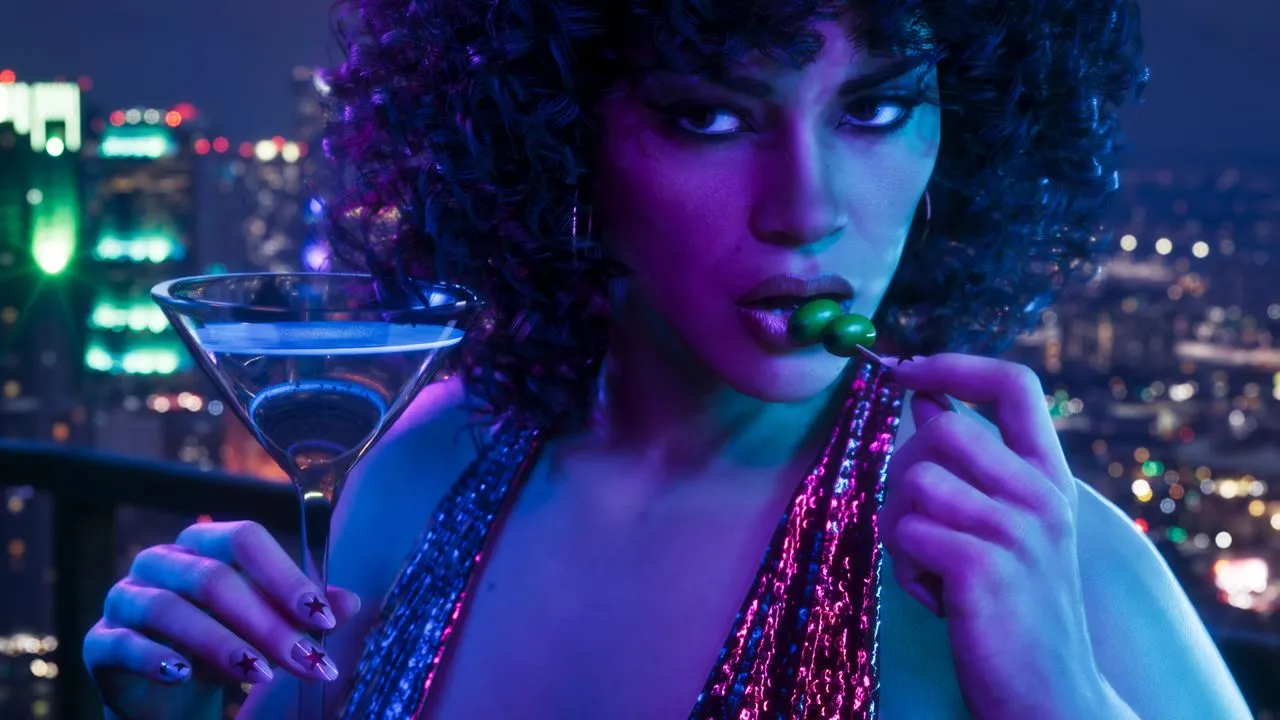
Rockstar has announced key pre-order details for GTA 6, including launch pricing in November and how physical editions will work. For decision-makers, the shift from the $60-$70 norm signals higher retail expectations, new revenue models, and tougher access barriers for players.
Rockstar has finally put numbers on the GTA 6 price speculation: the game will cost $80 when it launches on November 20, and physical editions will be code-in-box. The headline figure is not $100, but the direction is unmistakable. This is more expensive than a standard $70 release, and it comes right after an analyst predicted a $100 price tag last year.
There’s your business punchline. GTA 6 is charging $79.99 for the standard PS5 version and $99.99 for the Ultimate version, so the “real” premium is no longer theoretical. Even if you give consumers a quick mental pass for inflation and for how long they have waited since 2013, the barrier to entry question is now a live boardroom item, not a comment-section vibe.
The immediate consequence is that the industry’s familiar $60-$70 retail baseline is under threat. The source frames the standard price point as rapidly fading, and GTA 6 is presented as joining a growing list of titles that are resetting what “normal” costs look like at launch. The comparison stack matters because it shows this is not a one-off move by one studio. The source points to Mario Kart World launching at the same price point last summer, and to Elden Ring Tarnished Edition launching on Switch 2 at $80 this August.
For executives, this matters because pricing is usually where companies hide their strategic intent. Retail price is a signal of target audience and of what value the company believes it can capture at launch. In the source’s framing, the “premium status” is not just a number. It is exclusivity: GTA 6 is described as a specialist product that attracts buyers who see deep, prolonged value, while leaving many priced out of the Ultimate edition.
There’s also a platform access wrinkle that can quietly change demand curves. The source notes that the game “will play best on PS5,” as Sony declares, and it also highlights the absence of a PC version in sight, with no confirmation as to whether one will come at all. That absence is important because PC is one of the few places where, according to the source, game prices have steadily been declining. The UK-specific example given is that blockbuster titles often retail for between five to 10 bucks less on PC than on consoles at launch. The source cites February’s Resident Evil Requiem as £59.99 on Steam versus £64.99 on Xbox Series X.
Meanwhile, the AA segment is described as holding more modest retail pricing, including examples like Clair Obscur: Expedition 33 launching at a statistically better-for-revenue $50 or less. So when GTA 6 jumps to $80, it is not only pushing premium retail prices upward. It is also widening the gap between “platform-anchored” pricing experiences. For decision-makers, that can create two simultaneous effects: higher expectations for console launch pricing, and more pressure on PC storefronts and sales calendars to justify differences, especially if players feel console is treating launch day as a luxury event.
Then there is the physical edition twist, which is where the operational story leaks into consumer perception. The source says physical editions will have code-in-box, and it explicitly calls out how unlikely disc-less packaging will land well at $80. But it also argues that GTA is a franchise where fans may accept even a $10 increase in standard pricing, even if it is “just a strip of paper.” From an executive lens, that is an incentive structure problem: you are not only pricing the game, you are also pricing the delivery mechanism. If consumers perceive a downgrade in tangible value, boards typically need to offset that perception with either gameplay assurances, bundling, or a clear rationale on the economics of production.
The source ties that rationale to cost pressure, including a mention of an AI-driven RAM shortage keeping driving up costs for developer and consumer alike. It also references Xbox rolling back its initial announcement of an $80 launch price for The Outer Worlds 2 after widespread backlash. That detail is a reminder that not every publisher can simply “raise price and ship.” The market can punish you if your audience does not buy the story or if the perceived value mismatch is too obvious. In that context, Rockstar’s move is framed as both a step up and a test case: will other studios and publishers follow suit, or will the move remain a GTA and Nintendo exception?
Finally, the second-order implication is timing and diffusion. The source suggests the market will eventually catch up to Rockstar and Nintendo, even though “only one zero” is in play for GTA 6 rather than a $100 tag. For peers on strategy or finance teams, that means pricing conversations may shift from “Should we?” to “When do we?” and “How do we manage the backlash risk?” If the baseline moves from $60-$70 to something closer to $80, the company that wins will likely be the one that can defend premium pricing with product value, packaging clarity, and platform strategy, rather than relying on brand power alone. And yes, the source ends with a deliberately exaggerated jab about GTA 7 in a decade, but the underlying stake is real: if today’s “only” $10 jump becomes tomorrow’s norm, budgets, forecasts, and go-to-market plans will all need to model a more expensive world.
This story's Key Insights and Take-aways are locked.
Create a free account to unlock Executive Actions for one credit.
Register to UnlockAlways free for Executives Club members. Join the Club
More in Business

A flaw in PHP just forced governments to pull their own sites offline
European agencies from Belgium to Germany took websites dark to patch a critical weakness in the language behind almost 70% of the web, and the blast radius extends far beyond government portals.
BioWare shuts down, Mass Effect 5 dead after $55B EA buyout
The legendary RPG studio's closure lands months after a $55 billion investment group buyout of EA, raising tough questions for gaming's biggest acquirers.
Musk barred from the room as Tesla, SpaceX boards weigh $3.5 trillion merger
The CEO of both companies is a 'conflicted party' watching independent directors negotiate a tie-up that would create a $3.5 trillion giant he would own about a third of.