
Ron Howard and Brian Grazer say the “Grinch” sequel is finally on the table
Imagine Entertainment partners confirm they have long thought about it, and also weigh in on AI fears.
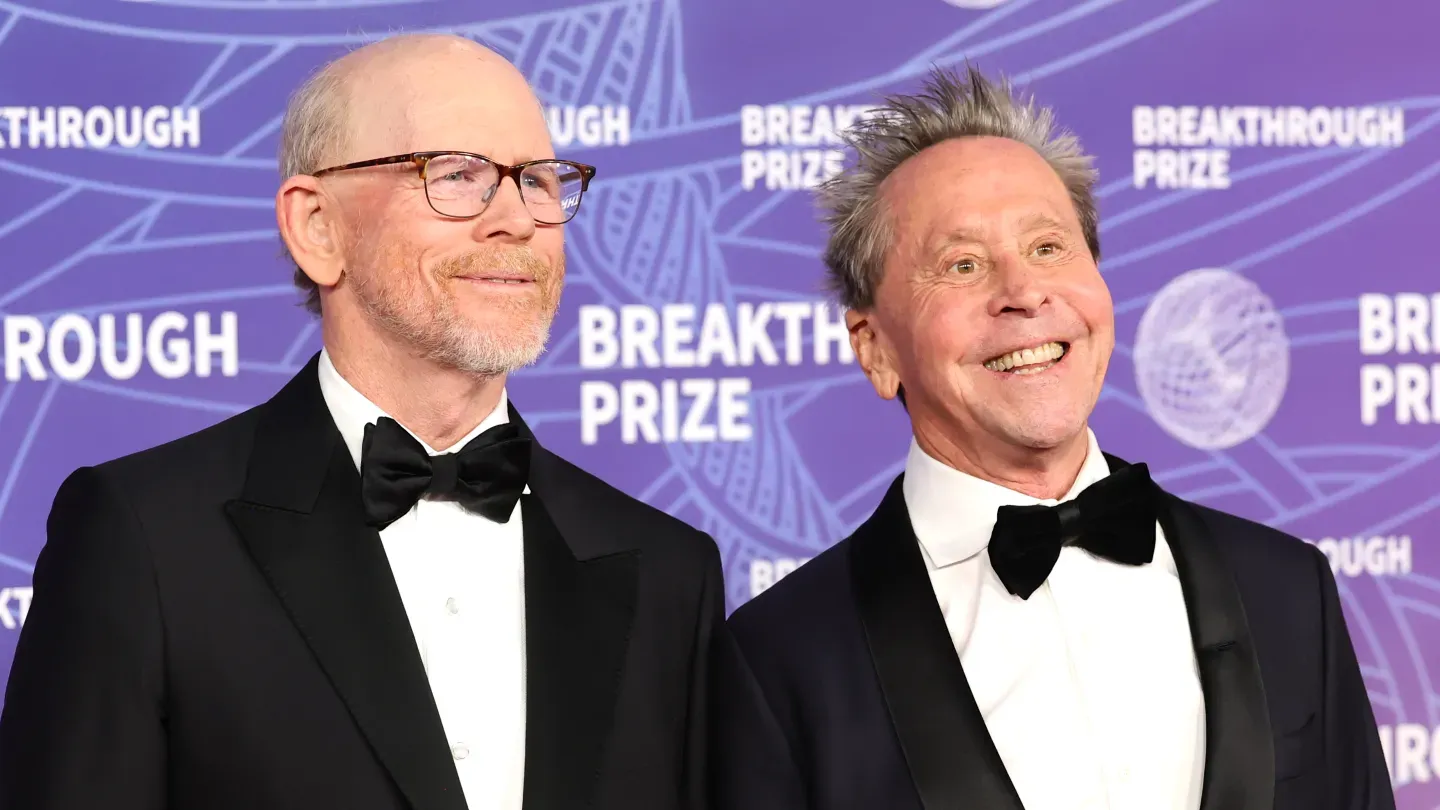
Ron Howard and Brian Grazer, partners at Imagine Entertainment, teased a potential “Grinch” sequel during a keynote conversation with THR editor-in-chief Maer Roshan at the UCLA Entertainment Symposium. For decision-makers, it is a rare peek at how major Hollywood operators think about IP continuity, audience demand, and the AI pressure building around filmmaking.
Ron Howard and Brian Grazer brought one of the most evergreen pieces of Hollywood leverage into the room: IP with built-in audience comfort. In a keynote conversation with THR editor-in-chief Maer Roshan at the UCLA Entertainment Symposium, the Imagine Entertainment partners teased a “Grinch” sequel, describing it as something they have “thought about for a long time.” The subtext was clear, even when the headline chatter was gentle: classic franchises are not just nostalgia products. They are risk management.
The conversation also directly touched the other big question hanging over entertainment right now, the one that keeps boards and studios awake when the slides are over. The same keynote where Howard and Grazer teased the sequel also covered their AI fears, and their rather blunt position on retirement, or rather the lack of one. For executives, that pairing matters. It suggests that the “future of filmmaking” discussions are not happening in an abstract strategy sandbox. They are unfolding alongside day-to-day creative decisions, with talent and operators actively stress-testing what changes fast and what should stay sticky.
Howard and Grazer are not small-game operators, and their mention of a “Grinch” sequel carries the kind of industry weight that only a few teams can generate. Imagine Entertainment has the advantage of living in the overlap between creative development and business discipline. When partners of that caliber say a sequel is on the table, they are implicitly weighing a familiar set of tradeoffs: the cost and timeline of another installment, the expectations that come with a known brand, and the production and distribution plan that has to work at scale.
That is where the broader market context kicks in. Over the past few years, streaming economics have trained audiences to expect content availability at a clip that traditional theatrical calendars did not always support. Simultaneously, the theatrical business has rewarded eventization, the sense that a release is worth showing up for rather than waiting out. A “Grinch” sequel sits right in the intersection of those trends. It is the kind of property that can be marketed as seasonal event content while still benefiting from the reach that modern distribution systems provide. In other words, it is a safe bet on attention, but not a safe bet on costs.
Now add AI fears to the mix, and the incentive landscape gets sharper. Even without getting into technical detail here, AI anxiety in Hollywood is fundamentally about control: control of voice, style, labor, and IP protection. Executives have to think about where automation helps and where it undermines the creative value chain. For operators like Howard and Grazer, those concerns do not replace creative planning. They sit on top of it, pressuring development and production decisions while also influencing what contracts and rights frameworks teams will insist on.
There is also an under-discussed board-level angle: long-term operator involvement. The keynote included their “lack of” retirement plans, which sounds personal but reads strategically. In media companies, where relationships with talent, studios, and partners can make or break timelines, continuity becomes part of competitive advantage. If key operators intend to keep working, it affects how risk is socialized inside a company. It can mean teams are less likely to pause on ambitious projects, because institutional memory is staying put.
So what should decision-makers take from this beyond the charming idea of a “Grinch” sequel? First, the industry signal is that IP continuity still functions as a hedge against uncertainty. Second, the same leaders talking sequels are also talking AI fears, meaning the “future” is not waiting politely in a separate meeting room. Third, operator momentum can matter. If Howard and Grazer are not thinking about stepping back, their organizations may continue to push development decisions that reflect their long-view instincts.
For executives, investors, and creators watching the UCLA entertainment conversation, the strategic stakes are straightforward. The world is changing fast, but the path to profitability is still built on audience trust and rights control. A teased sequel is not a finished deal, but it is a real data point: when major entertainment operators pair legacy IP with AI anxiety, they are telling you where their priorities are, right now.
This story's Key Insights and Take-aways are locked.
Create a free account to unlock Executive Actions for one credit.
Register to UnlockAlways free for Executives Club members. Join the Club
More in Entertainment

Russell Brand's accuser 'bewildered and confused' as he denies 7 sex charges
The criminal case against the comedian is a live test of how media companies manage talent risk when serious allegations go public.

'It's a Magic Trick': Ballet Experts Say Rosalía's SNL Pose Is Impossible
Three ballet experts tell Rolling Stone Rosalía's gravity-defying SNL stillness shouldn't be possible - and why the debate is now part of the show.

Activision CMO: GTA 6 Will Boost Call of Duty, Not Bury It
Activision's top marketer says Rockstar's blockbuster will drive players back to consoles and into Modern Warfare 4, even as the company admits its recent strategy failed.