
Ryan Clark gets laid off live on ESPN’s NFL Live as ESPN cuts hit on-air talent
ESPN’s first major layoffs in three years collide with the NFL Network takeover, and even studio time isn’t safe.
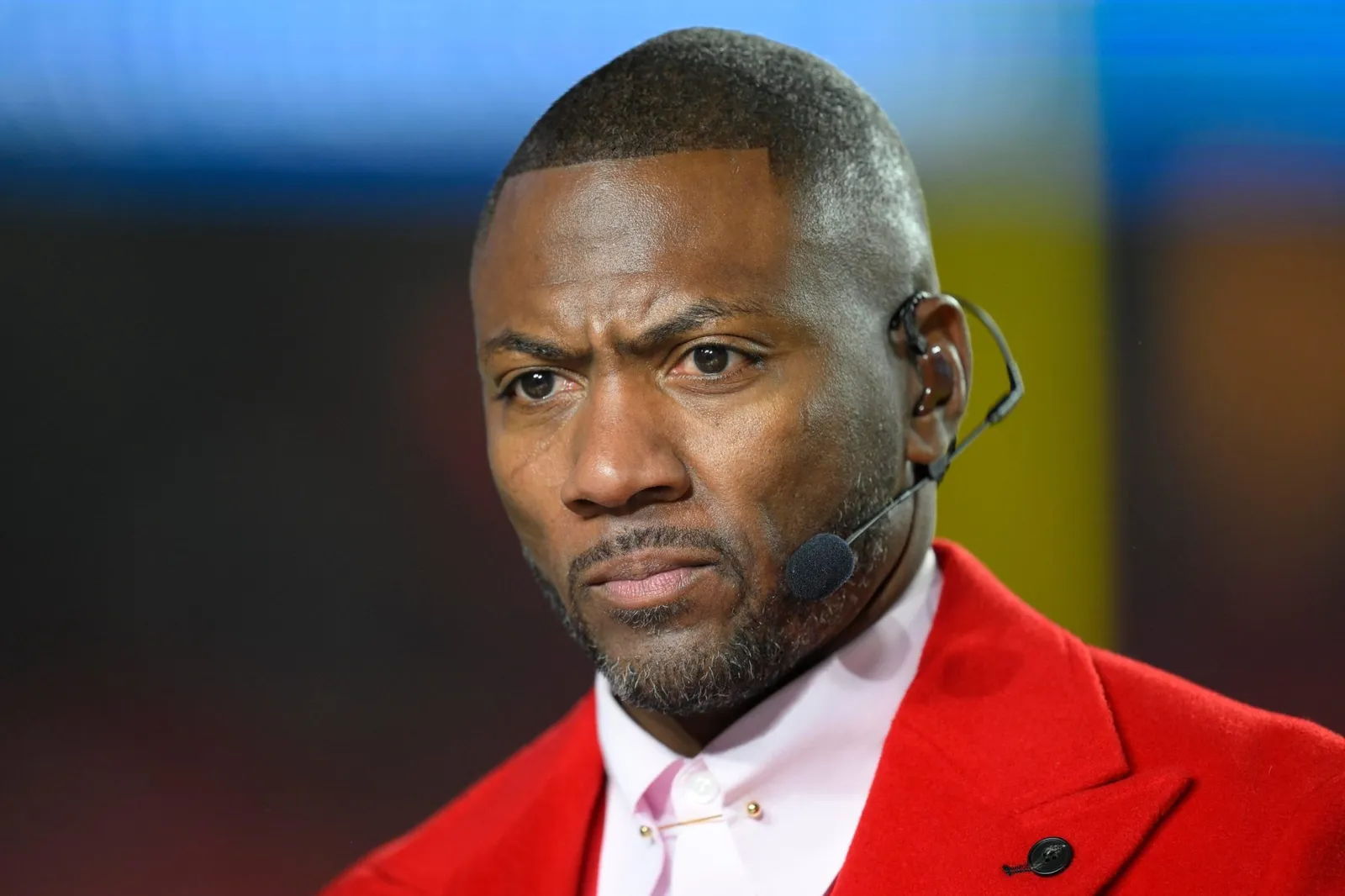
Ryan Clark, an ESPN NFL analyst who joined the network in 2015, learned he was fired mid-broadcast on “NFL Live.” The cuts, driven by ESPN’s acquisition of NFL Network and other NFL digital assets completed last year, are the first major ESPN layoffs in three years and will force decision-makers to rethink integration, staffing, and talent risk during big M&A transitions.
Ryan Clark found out he was fired live on ESPN's “NFL Live” Monday, and he did not even finish his appearance. ESPN told Clark about the layoff via company executives rather than leaving it to word-of-mouth after reports leaked about the decision.
This is not just a tough day for one broadcaster. It is a direct signal that ESPN's post-merger integration is already reshaping both the on-air and behind-the-scenes sides of its football media operation, after a deal that regulators cleared.
In Tuesday's memo to employees, ESPN Chairman Jimmy Pitaro said the layoffs are the first major cuts in three years and that most of the job impacts stem from ESPN’s acquisition of NFL Network and other league digital assets last year. The acquisition was announced last August and included NFL Fantasy and rights to distribute the RedZone channel to cable and satellite operators. In exchange, the NFL received a 10% equity stake in ESPN, and the transaction was approved by government regulators in January.
The timeline matters because integration is not a vague HR concept, it is a financial and operational one. ESPN said that, over several months, it made “significant progress integrating the NFL assets” it acquired into ESPN. That integration work has now turned into hard decisions about “collective teams, resources and organizational structure.” Translation: when the same corporate tent owns the production pipeline, the studio schedule, the digital products, and the distribution rights, duplication gets cut. Production and behind-the-scenes roles are where most reductions land, but the story also makes clear that some on-air talent is affected.
Clark's experience on “NFL Live” is part of the on-the-ground reality of those decisions. A person familiar with the situation told The Associated Press that Clark was originally going to be told Tuesday morning before reports leaked about the decision. The person also said Clark was informed by executives rather than hear about it elsewhere. That person spoke to the AP on condition of anonymity because they were not authorized to discuss personnel decisions.
Clark later addressed the layoffs on social media. On X, he wrote, “Sending prayers and love to all those laid off today by ESPN. So many of you have poured your life into that company, & I know how you’re feeling right now.” He added, “My hope is as this door closes another opens for you all. God bless!” ESPN also communicated in the memo that it is committed to treating employees “with compassion and respect,” and to providing support as people navigate the transition.
This is where the layoffs expand from one unlucky broadcast moment into a roster-level reckoning. Other notable names reportedly affected include Karl Ravech, who had been with ESPN since 1993 and was a key voice in its baseball coverage. Ravech was the voice of “Sunday Night Baseball” from 2022-25 before the package moved to NBC this season. That detail matters because it shows ESPN is not just reshuffling football. It is absorbing NFL assets while simultaneously adjusting coverage packages and talent needs across sports programming.
The cuts also include Tom Pelissero, who had been with NFL Network since 2017. And ESPN isn't alone in making staffing reductions right now. The ESPN cutbacks are part of other reductions taking place throughout the Walt Disney Company this week, which suggests these decisions are aligning with broader corporate cost discipline rather than being purely a one-off integration outcome.
For executives and board members, there are at least two second-order implications here. First, regulators can clear a deal and still leave employees with a transition shock that becomes a reputational and operational risk. ESPN's memo emphasizes planning and support, but Clark learning about his layoff during an active broadcast is the kind of moment that can amplify anxiety across studios and teams. Second, the deal structure and equity linkage underline the strategic stakes: the NFL got a 10% equity stake in ESPN, while ESPN gained NFL Network plus NFL Fantasy and RedZone distribution rights. When a media company integrates those assets, the resulting organization redesign tends to hit multiple layers, not just the obvious back office.
The most important take for peers managing similar combinations is that talent and programming are not separable from M&A mechanics. If you bring content rights, distribution hooks, and digital properties under one corporate roof, your staffing map will be redrawn. ESPN's layoffs, including on-air changes and the mid-broadcast notification described here, are a live example of how quickly that redraw can happen once integration moves from planning to execution.
This story's Key Insights and Take-aways are locked.
Create a free account to unlock Executive Actions for one credit.
Register to UnlockAlways free for Executives Club members. Join the Club
More in Business

Anthropic’s Levant Alpöge cracks the Jacobian conjecture after 87 years
A Harvard valedictorian used Claude to hit a 1939 breakthrough, but the missing “why” is the real problem.

Uber buys Delivery Hero for nearly $15B, vaulting to top food delivery outside China
The deal doubles Uber's dual-services footprint and pushes a ride-and-eats bundling play into 50 more markets.

Epic and Google drop settlement bid, forcing rival Android app stores by July 22
Google told the court it is ready to carry third-party app stores starting Wednesday, July 22.