

Ryan Coogler returns to direct Black Panther 3 for Dec. 15, 2028 release
Coogler will direct, and David Jonsson is cast as T'Challa's adult son, reshaping Wakanda's next era.
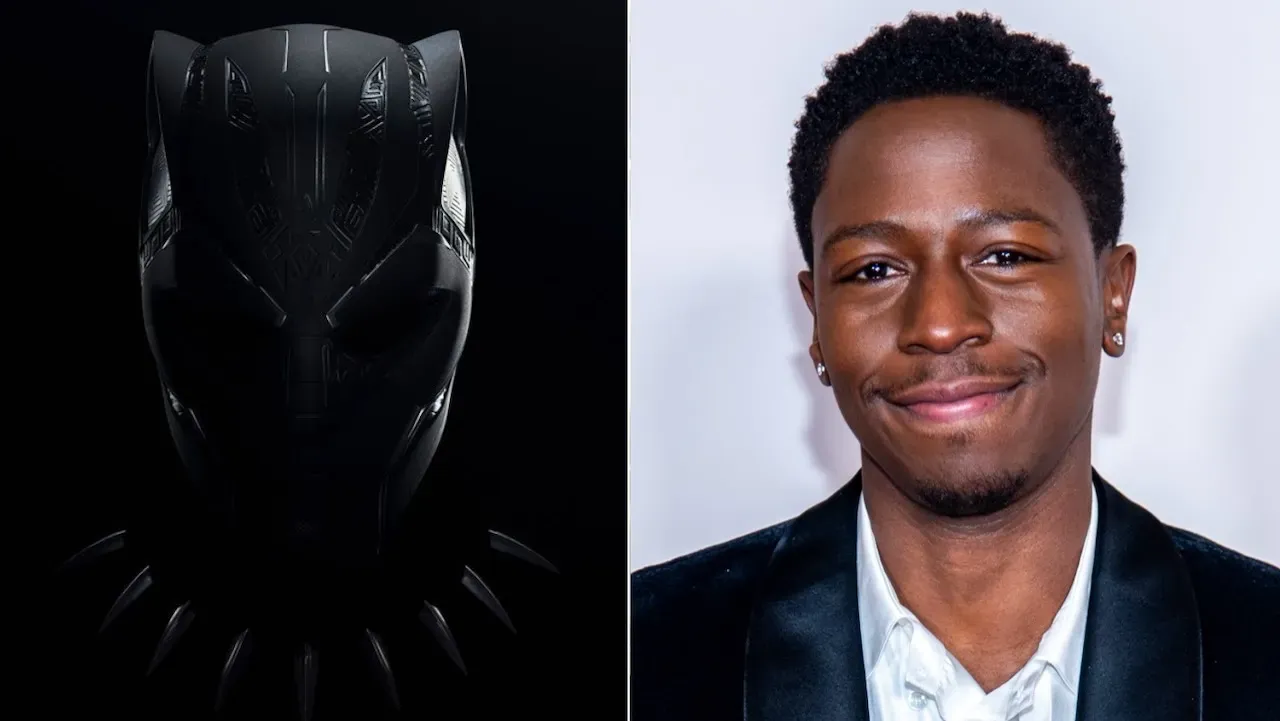
Ryan Coogler, the Oscar-winning Sinners director, is coming back to Wakanda to direct Black Panther 3, releasing December 15, 2028. David Jonsson has been cast as the adult son of Chadwick Boseman's T'Challa, signaling a generational shift for franchise decision-makers.
Ryan Coogler is officially returning to Wakanda. He is set to direct Black Panther 3, with the film scheduled for release on December 15, 2028, and the project is already assembling its next on-screen cornerstone. The adult line of succession also has a name and a face: David Jonsson, known from Industry, Alien: Romulus, and The Long Walk, is cast as T'Challa's son in the upcoming movie.
That combination matters because it is not just “a sequel announcement.” Coogler directing and a rising actor taking on the adult version of a central legacy character tells studios, partners, and talent networks one thing: the franchise is planning for continuity and transition at the same time. The date anchors long-range planning and marketing cycles, while the casting choice gives the production a narrative engine. If you are an executive managing a slate, this is exactly the kind of interlock that decides where budgets, brand expectations, and audience attention land years before cameras roll.
To understand why this is a big deal for decision-makers, zoom out to how tentpole franchises behave. Black Panther sits in the category of IP that does more than sell tickets. It sells trust. The brand is designed to be recognizable in tone, politics, and spectacle, which means the people who protect that trust carry outsized weight inside studios. When an Oscar winner like Ryan Coogler comes back to direct, the message to internal teams is that creative control is not being treated like a minor variable. It is being treated like a strategic asset.
Now pair that with the specific casting detail. David Jonsson is not being cast as a random supporting character. He is being cast as the adult son of Chadwick Boseman's T'Challa. In practical franchise terms, that means the story has a built-in bridge: younger audiences can meet a new generation of protagonists without losing the emotional and narrative gravity associated with Boseman's character. For the business side, this is how sequels avoid the all-too-common trap of feeling like a reboot in disguise.
The “generational shift” angle is the second-order implication executives should actually care about. Casting an adult successor role can influence everything from merchandising strategy to marketing creative direction. It also affects casting and performance expectations across the rest of the ensemble, because studios typically build group dynamics around who the audience is meant to orbit. A character positioned as “the son” carries inheritance, whether the film frames that inheritance as honor, burden, or responsibility. Even before release, that framing can determine how partners align, how trailers are paced, and how audiences are conditioned to show up.
There is also a talent pipeline dimension. Jonsson’s recent visibility from Industry, Alien: Romulus, and The Long Walk signals that the production is selecting an actor who is already operating in projects that vary in tone and scale. For studio planners, that reduces the risk of putting a franchise-scale role on someone untested in high-pressure studio ecosystems. It does not eliminate risk, but it changes its shape, and executives always prefer shifting risk into something manageable.
Finally, look at the timeline. Black Panther 3 is set for release on December 15, 2028. That is long enough that many industry variables will change: competitive calendars, distribution strategies, and audience habits. But long lead times also mean the early choices are the ones that compound. Coogler directing establishes a creative north star. Casting Jonsson establishes the acting lead for a key legacy relationship. Together, these decisions start locking in downstream workstreams like script iteration, visual identity, and production scheduling.
For peers managing similar franchises, the takeaway is straightforward: this announcement is a signal that Wakanda is being treated as a managed transition, not a dramatic restart. If you are a studio executive, production chief, investor, or board member watching the entertainment market for where credibility and demand can be protected, the Coogler and Jonsson combination is exactly the sort of move that reduces uncertainty. It is also the kind of move that makes other companies pay attention, because it shows how franchises can preserve legacy while making room for the next face people will associate with the brand.
This story's Key Insights and Take-aways are locked.
Create a free account to unlock Executive Actions for one credit.
Register to UnlockAlways free for Executives Club members. Join the Club
More in Entertainment
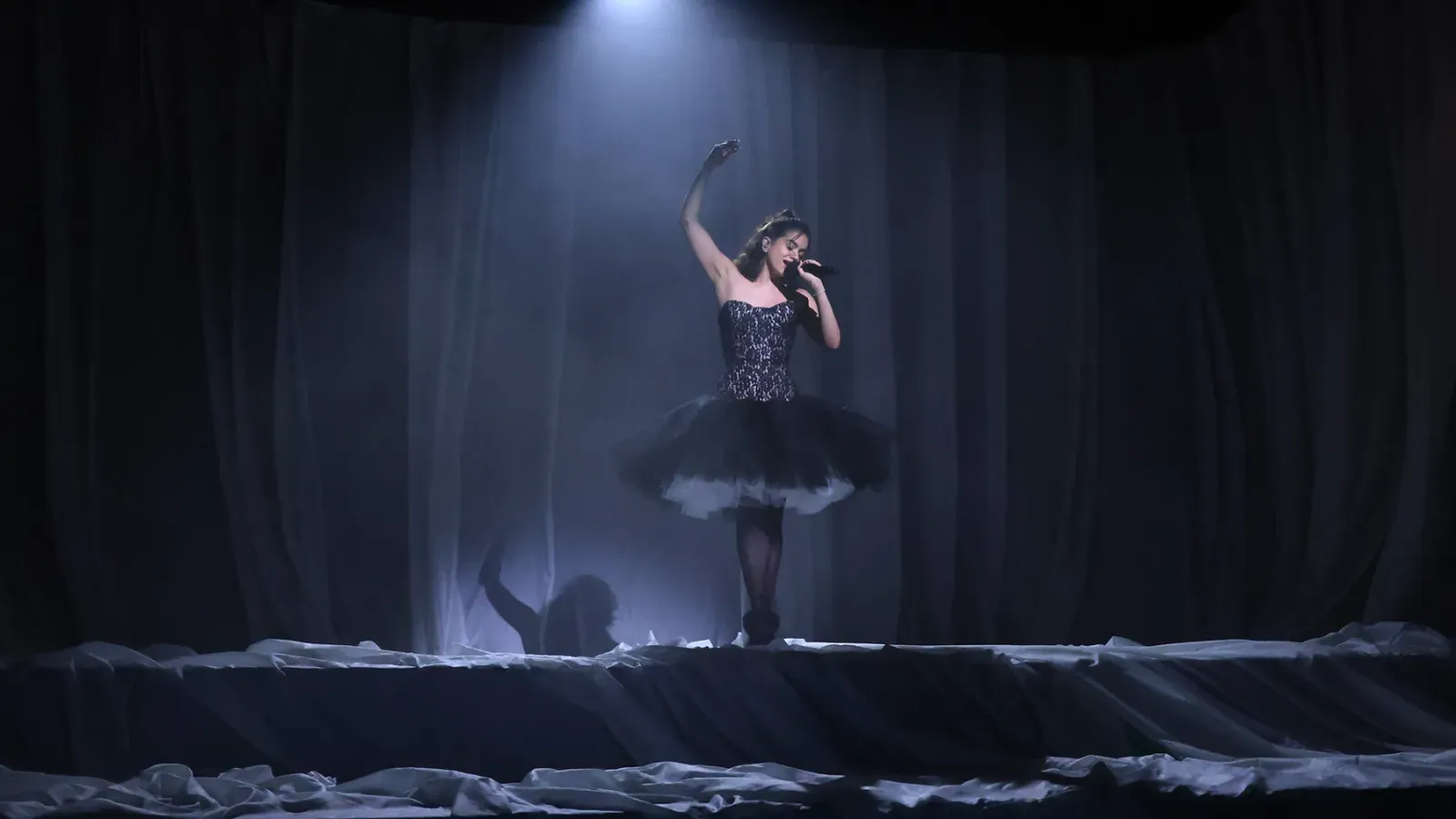
'It's a Magic Trick': Ballet Experts Say Rosalía's SNL Pose Is Impossible
Three ballet experts tell Rolling Stone Rosalía's gravity-defying SNL stillness shouldn't be possible - and why the debate is now part of the show.
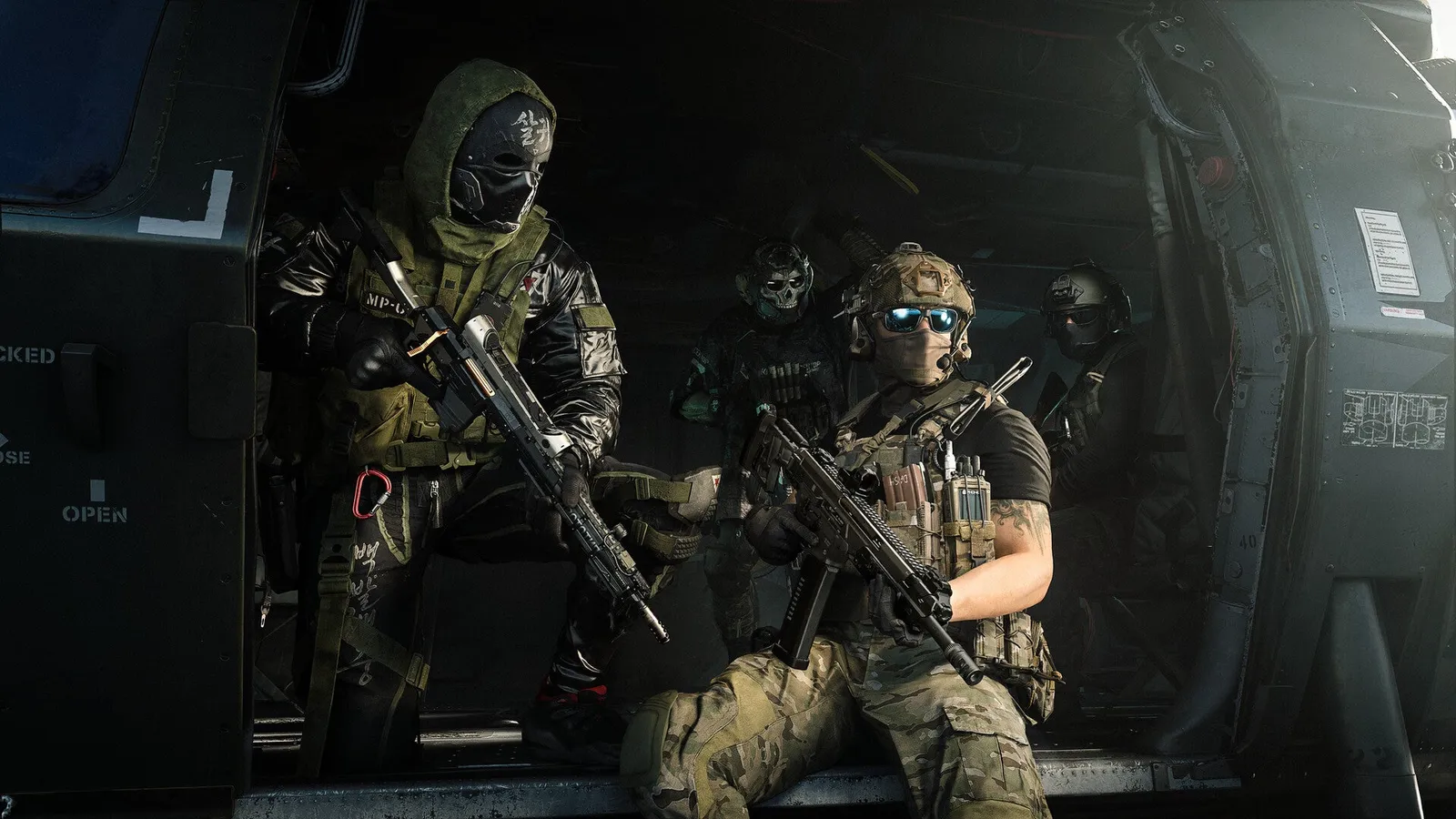
Activision CMO: GTA 6 Will Boost Call of Duty, Not Bury It
Activision's top marketer says Rockstar's blockbuster will drive players back to consoles and into Modern Warfare 4, even as the company admits its recent strategy failed.
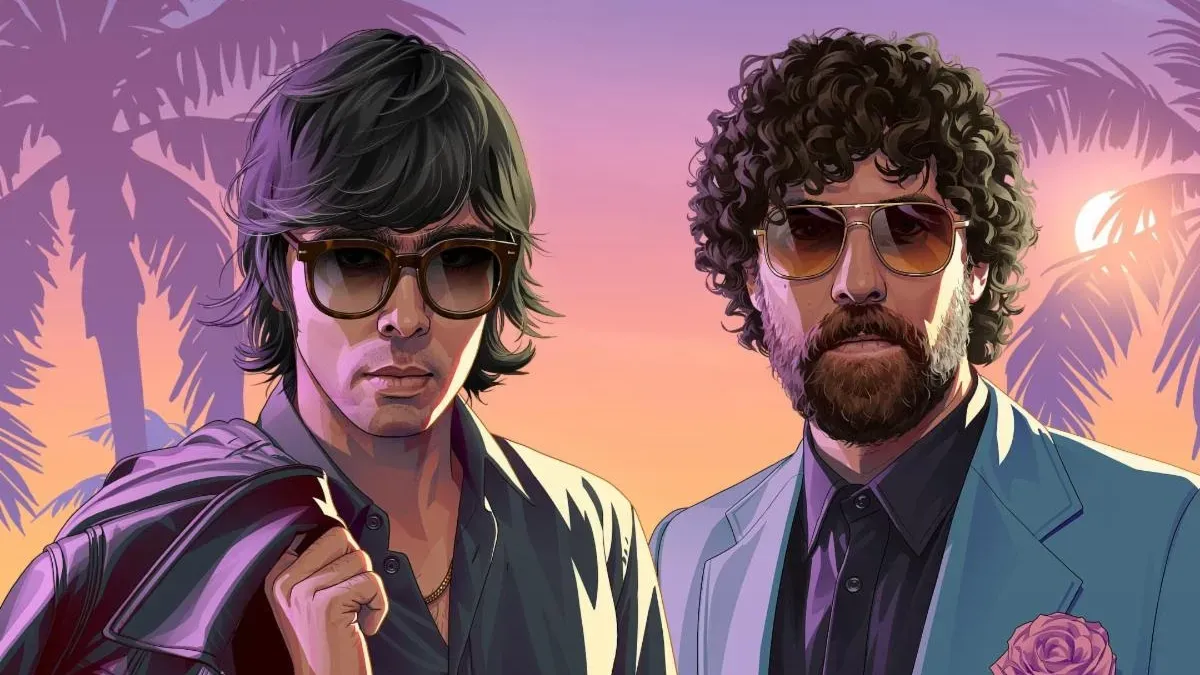
Justice to Score GTA 6, Share New Song with Tame Impala, SZA, King Gizzard
Rockstar taps the French duo for the GTA VI score, and the first taste is a genre-melting collab with Tame Impala, SZA, and King Gizzard & The Lizard Wizard.