
Ryan Hurst recast as Kratos after on-set injury forces Prime Video to rewrite its lead
Prime Video will replace the “God of War” star Ryan Hurst after an on-set injury, even after a first-look rollout.
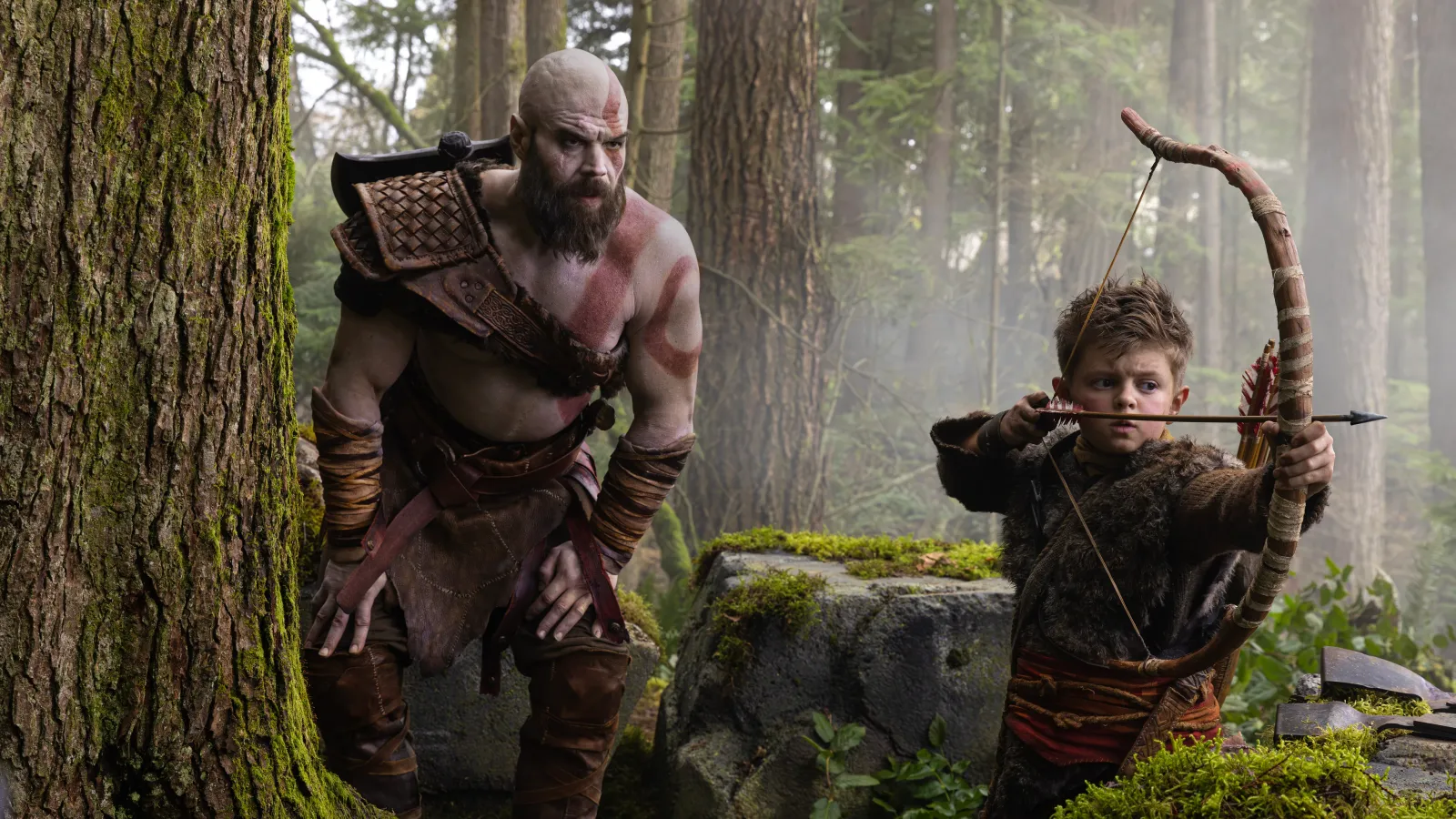
Prime Video is recasting the lead role in its upcoming “God of War” adaptation after star Ryan Hurst was injured on set. The change affects how the project presents Kratos, after the company already released a first look featuring Hurst earlier this past February.
Prime Video will recast the lead role on its upcoming “God of War” adaptation after star Ryan Hurst was injured on set, according to Variety. Hurst had been set to play Kratos, the titular god of war, and Prime Video even released a first look at Hurst in the role this past February.
So the headline reality is immediate: the project’s Kratos is no longer Hurst, and the studio is adjusting in public after it already introduced him. That is a meaningful pivot for any high-visibility adaptation, because an on-set injury is not just a personal setback for an actor. It becomes a production, scheduling, and marketing problem for a streaming tentpole that is supposed to land as a coherent package, not a moving target.
To understand why this matters, zoom out to how adaptations become executive-level bets. “God of War” carries built-in audience expectations from a franchise with a distinct visual language, tone, and performance style. When a streaming platform greenlights a high-profile project, it is not only underwriting production costs. It is also betting on momentum: keeping talent attached, keeping the release narrative steady, and keeping the audience trust intact.
Here, Prime Video already did the thing that makes recasting harder: it released a first look at Hurst as Kratos in February. That means the studio effectively locked in a public perception of who would embody the role. When Hurst then gets injured on set, the recast is not purely an internal casting adjustment. It changes the public-facing storyline of the project, and it pressures the production to swap in a new lead without losing the creative direction that the first look established.
There is also a second-order incentive layer. For streaming companies, cast announcements are part of how projects attract further interest, including other talent, press coverage, and partner alignment. When a lead actor changes, the organization has to re-stitch multiple moving parts. The new actor still needs to be cast, scheduled, and integrated into a plan that likely evolved around Hurst’s availability and performance needs. Even if the production team absorbs the change quickly, the calendar still reacts, and the cost curve tends to do what cost curves do when timelines flex.
Now add the reality of how production and risk management work in television and film. On-set injuries are typically treated as unpredictable events, but they still force a chain reaction: safety reviews, adjustments to shooting plans, and often the need to ensure that the role can be completed without compromising quality. In other words, this is the kind of disruption that is hard to fully de-risk because the trigger is physical, not contractual or financial. The recast becomes the operational solution once it is clear that the injured actor cannot continue in the role as planned.
Why should executives at other platforms and studios care? Because recasting after a first-look release is a preview of how fragile “tentpole certainty” can be. It is a reminder that marketing timelines and production timelines are coupled, and injuries can snap that coupling. If you are a producer, content chief, or board member watching slate risk, the lesson is straightforward: even “confirmed” casting can become provisional once reality on set intervenes.
There is also a reputational angle, even if no one spins this as drama. Streaming audiences and press outlets notice when projects change faces, especially for roles tied to iconic characters. Prime Video can try to keep trust by moving quickly and ensuring the creative vision remains consistent. But the strategic stake remains: the studio needs the new Kratos to feel like a continuation, not a reset.
The “God of War” adaptation now faces a new casting chapter for Kratos after Ryan Hurst’s injury, despite the February first look that put his version of the character into the cultural conversation early. For decision-makers, the job is to manage continuity, protect schedule, and avoid letting a production disruption become a narrative disruption. For everyone else, the practical consequence is simpler: the Kratos viewers see will not be the one Prime Video showed off last February.
This story's Key Insights and Take-aways are locked.
Create a free account to unlock Executive Actions for one credit.
Register to UnlockAlways free for Executives Club members. Join the Club
More in Entertainment

12TB Steam 'teraleak' goes beyond Valve: GTA 3, Mafia 2 prototypes exposed
A 12-terabyte dump of Steam data reveals prototypes and builds of third-party classics like GTA 3 and Mafia 2, plus unreleased Valve content, rewriting game history.

LinkedIn's romance problem: 1 in 4 workers say dating on it is fair game
A new survey shows a quarter of U.S. employees treat the professional network as fair game for romance, even as LinkedIn bans it and removes hundreds of thousands of offending posts.

Enhypen's first No. 1 album breaks K-pop's Billboard 200 streak
The K-pop group's 98,000-unit debut tops the chart while Dolly Parton's catalog reentry shows how death reshapes streaming.