

Ryan Murphy says “maybe we should revisit” Glee after younger audiences found it
The Glee co-creator points to a new wave of viewers, and teases a potential new incarnation.
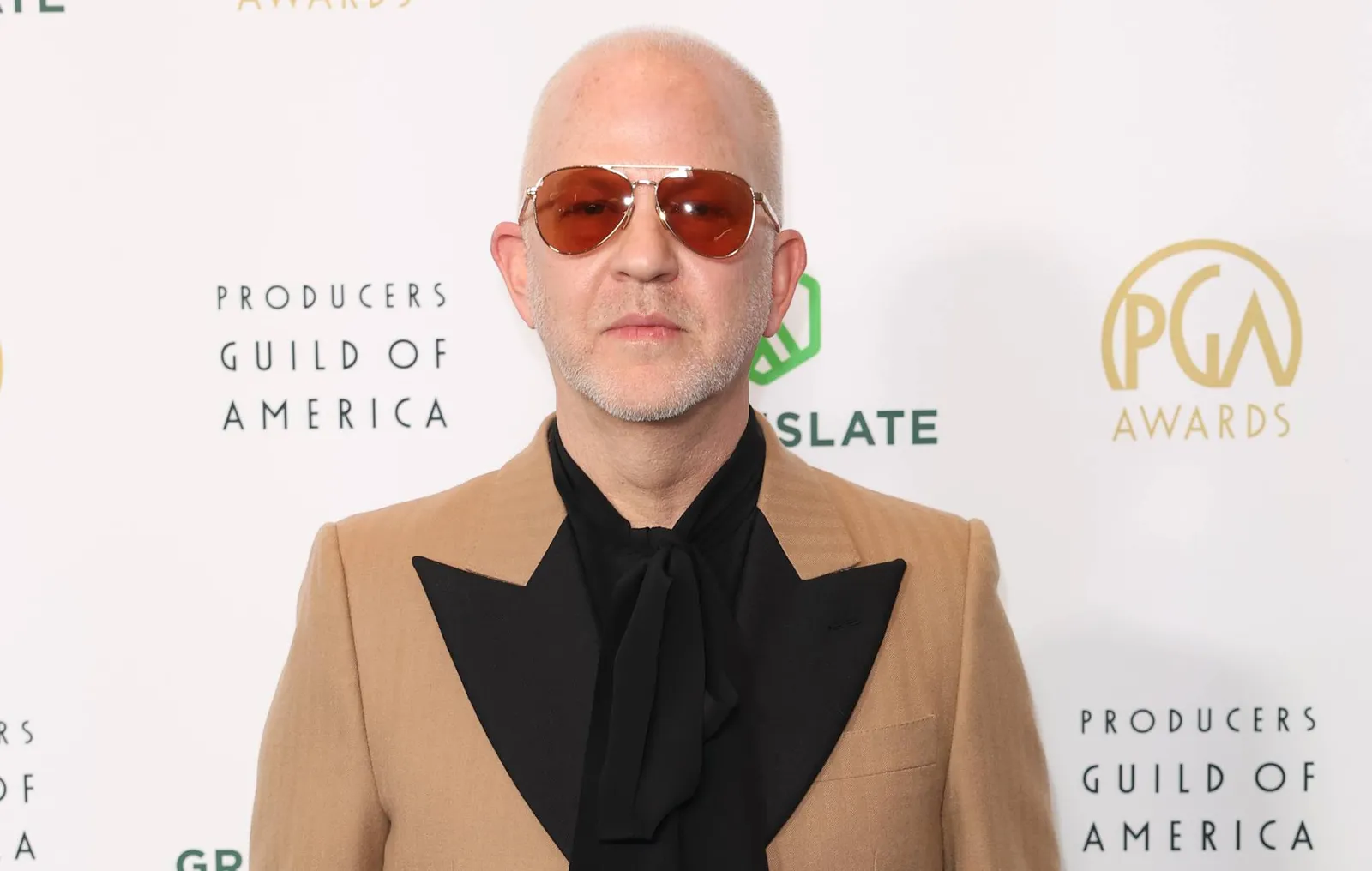
Ryan Murphy, co-creator of Glee with Brad Falchuk and Ian Brennan, says he is considering reviving the series in a new form after noticing younger audiences have discovered it. For studios and streamers, the move underscores how legacy hits can re-enter the growth equation, especially when platforms compete for “next fan” discovery.
Ryan Murphy is openly floating the idea of revisiting Glee, and he does it with the most practical reason imaginable: younger viewers are watching it again. Speaking to People at the New York premiere of his new FX series The Shards, Murphy said he noticed that “so many young people now watch” the musical comedy-drama, then added, “Maybe we should revisit that show.”
That quote matters because it reframes how Hollywood should think about catalog content in 2026. This is not nostalgia as decoration. It is nostalgia as signal. Murphy also said his “nostalgia and love for that show” are strong enough that he is considering “a new incarnation of that in some capacity.” In other words, the prompt is coming from audience behavior, not from a studio memo.
For context, Glee ran for six seasons between 2009 and 2015, following the members of the New Directions show choir at the fictional William McKinley High School. The series combined musical performances with storylines that covered sexuality, race, bullying and relationships. Its original cast included Lea Michele, Cory Monteith, Amber Riley, Naya Rivera and Kevin McHale. It also featured a long list of guest stars, including Britney Spears, Gwyneth Paltrow, Kate Hudson, Sarah Jessica Parker and Olivia Newton-John.
Murphy’s comment also lands in a specific competitive moment for streaming and TV franchises. When a show that ended in 2015 starts pulling in a new generation, it changes what “audience growth” looks like. Discovery engines, recommendation systems, and social sharing can turn older titles into onboarding tools. That is partly why Murphy framed it as a turnaround in relevance, saying: “That show is interesting because it’s come back around.” If you are a studio executive or platform operator, this is the kind of behavior that can move a catalog strategy from “keep it available” to “actively shape it.”
The numbers from Glee’s earlier cultural peak underline why this is more than a quiet comfort play. In 2010, the Glee cast overtook The Beatles to become the non-solo act with the most appearances on the Billboard Hot 100, and their version of Journey’s “Don’t Stop Believin” helped introduce the 1981 track to a new audience. Even though Murphy is not citing those chart moments in his recent comments, the point for decision-makers is clear: when Glee was hot, it did not just entertain. It redistributed attention across music, pop culture, and mainstream conversation. A reboot conversation today suggests leaders believe that pattern can repeat, but through different distribution mechanics.
There is also a “what comes with the reboot” reality that boards and risk teams will immediately notice. When a legacy series gets rediscovered by younger audiences, it tends to arrive with stronger scrutiny, because younger viewers are also more likely to discuss what they like, what they question, and what they expect from modern storytelling standards. The source gives one recent example of how Glee remains a live reference point in pop culture: last year, Chappell Roan apologized to “Gleeks” after joking that one of its Christmas installments was the “worst episode of Glee,” before recreating one of the show’s famous slushie scenes. That anecdote is not a policy document, but it signals that Glee still generates content-level engagement, not just passive watching.
Murphy is delivering these remarks ahead of The Shards, his new adaptation of Bret Easton Ellis’ 2023 novel about a serial killer that targets students at an elite private school. The Shards premieres on FX and Hulu on August 5 in the US, before arriving on Disney+ in the UK the following day. Why mention this? Because it shows Murphy is still in active production mode while he also thinks about franchise leverage. For executives, the implication is strategic bandwidth: the same creative leadership that launches new IP can also scout opportunities to extend existing ones, especially when audience demand appears to be already there.
So what does this mean for peers trying to decide where to invest in 2026? A Glee revival would likely be pitched as a “new incarnation” rather than a straightforward continuation, aligning with Murphy’s wording. If younger audiences are genuinely finding the show now, then the studio math shifts: the franchise already has latent demand, and platforms can market it as relevant to the present rather than trapped in the past. The risk side is obvious too, even if the source does not spell it out: legacy brands come with expectations, cultural context, and audience segmentation. Still, Murphy’s core claim is hard to ignore. If “so many young people” are watching a 2009-2015 series in 2026, that is a market signal worthy of board-level attention.
This story's Key Insights and Take-aways are locked.
Create a free account to unlock Executive Actions for one credit.
Register to UnlockAlways free for Executives Club members. Join the Club
More in Entertainment

'It's a Magic Trick': Ballet Experts Say Rosalía's SNL Pose Is Impossible
Three ballet experts tell Rolling Stone Rosalía's gravity-defying SNL stillness shouldn't be possible - and why the debate is now part of the show.

Activision CMO: GTA 6 Will Boost Call of Duty, Not Bury It
Activision's top marketer says Rockstar's blockbuster will drive players back to consoles and into Modern Warfare 4, even as the company admits its recent strategy failed.
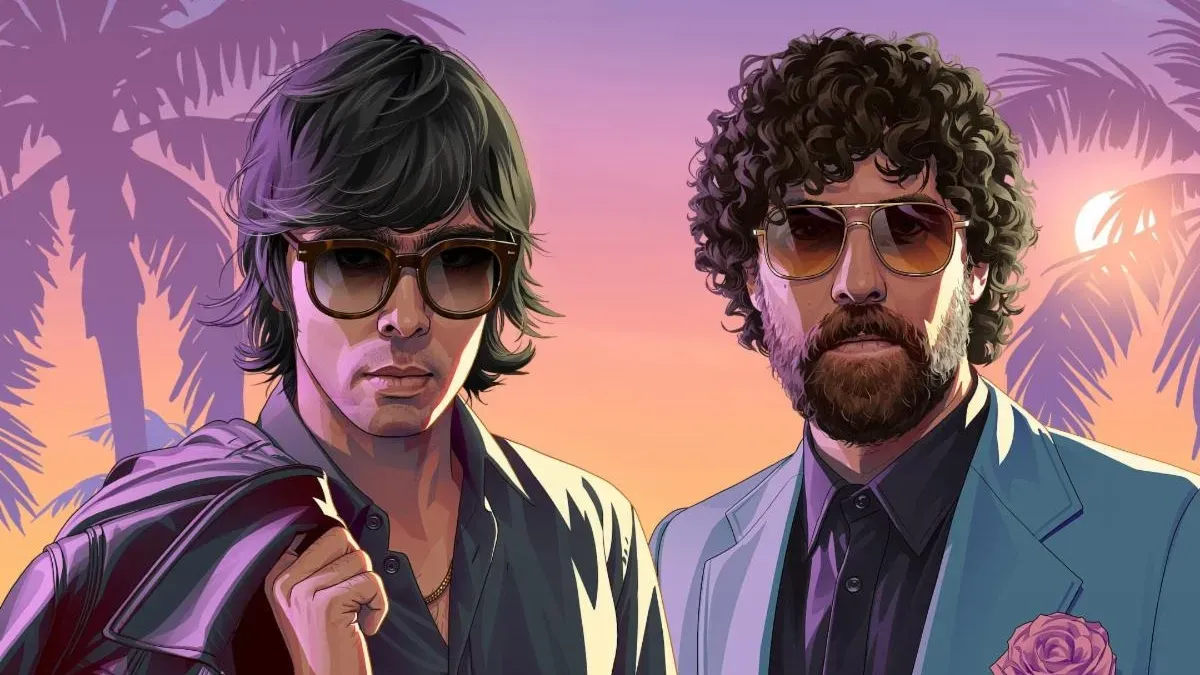
Justice to Score GTA 6, Share New Song with Tame Impala, SZA, King Gizzard
Rockstar taps the French duo for the GTA VI score, and the first taste is a genre-melting collab with Tame Impala, SZA, and King Gizzard & The Lizard Wizard.