
Ryuta Kawashima says manual driving lights up the prefrontal cortex, not auto
A Tohoku University study links stick shifts to stronger cognitive activity, with dementia prevention implications.
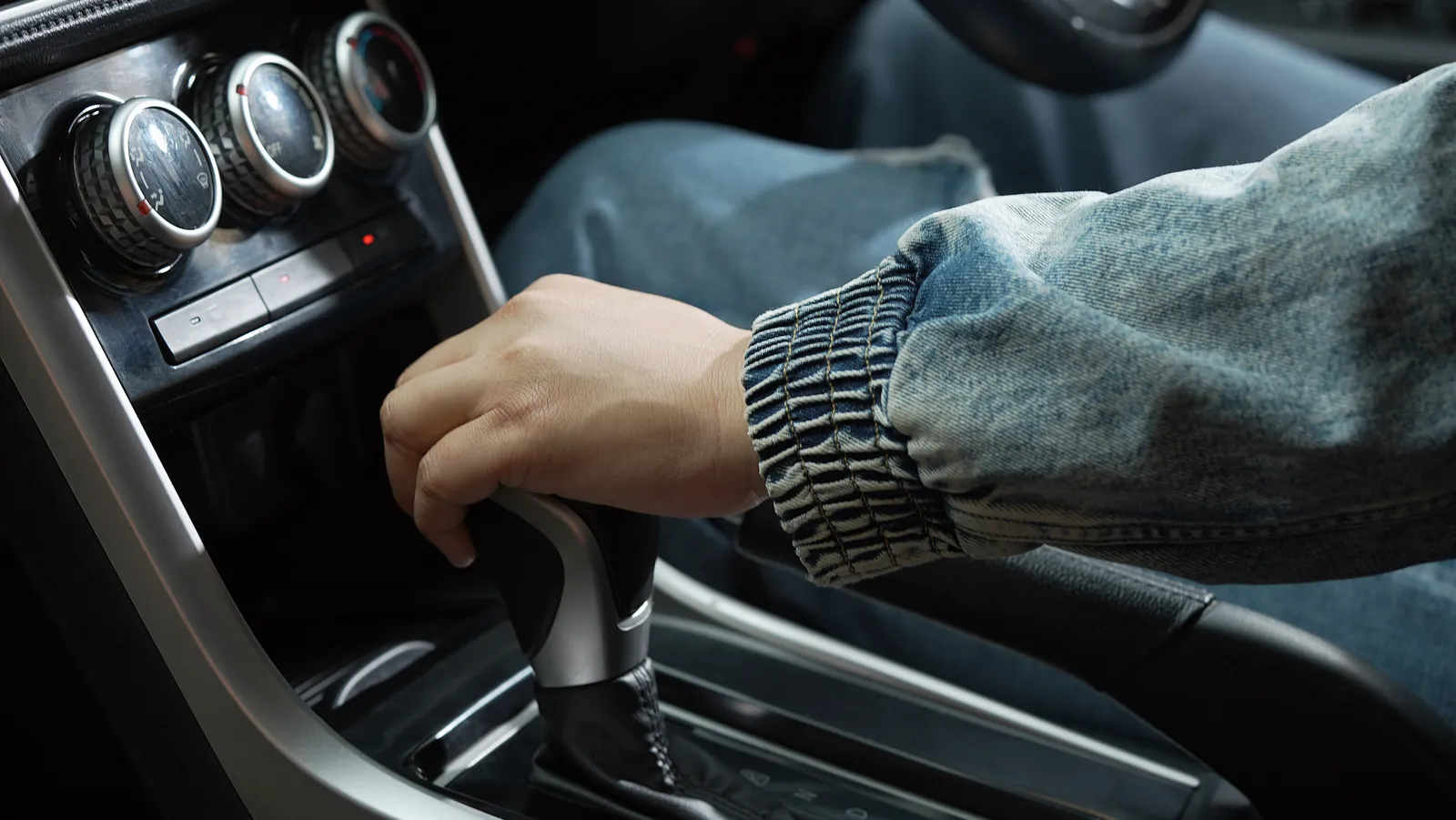
Professor Ryuta Kawashima, known for Brain Age and Dr Kawashima's Brain Training games, led research at Tohoku University's Institute of Development, Aging and Cancer comparing brain activity during manual vs automatic driving. The findings suggest stick-shift driving could maintain mental health and cognitive function better than passive automatic driving.
Professor Ryuta Kawashima's latest push is oddly practical: drive a manual car. In a study led by Kawashima and conducted at Tohoku University's Institute of Development, Aging and Cancer, his team compared brain activity while driving manual and automatic cars and found that manual driving activates the prefrontal cortex in ways that automatic driving does not.
The prefrontal cortex, the study notes, is involved in memory, decision-making, and attention. Kawashima explains the “why” in plain terms: with a manual transmission you have to judge and then pick the optimal gear based on the situation, and you do that while coordinating the clutch pedal and gearstick along with acceleration control. It is not just motor activity. It is an ongoing sequence of decisions and actions, happening at speed, while your brain continuously assesses your surroundings. The study’s core claim is that these decisions and actions involved in driving a manual light up the prefrontal cortex.
If you are an exec, the interesting part is not the nostalgia for stick shifts. It is that Kawashima’s line of research, and his public-facing work through Brain Age and Dr Kawashima’s Brain Training games (released primarily on Nintendo platforms between 2003 and 2020), sits at the intersection of neuroscience and behavior you can actually do. The manual-driving finding is essentially a “real-world input” to a theme he has been exploring for years: cognitive function can be engaged through tasks that require active processing, not passive defaults. His quote to Japanese news site Best Car Web frames it as a cognitive load difference, with stick-shift driving judged to “put a better load on the brain's cognitive functions than driving a passive automatic transmission car.”
From there, the study makes a bigger leap, and it is one boards will care about even if their companies are not in automotive. Kawashima says this has “a significant effect on maintaining mental health and cognitive function.” He connects that to the public health context of cognitive decline, which is a “significant health issue” amid the aging population of Japan and other countries. In other words, the stick shift is being treated as a low-tech intervention idea: regular engagement that keeps certain cognitive systems working.
Now add the market reality. Manual transmission cars are on the decline in favor of effortless automatics, especially in the U.S. and Japan. In those two countries, manual transmission accounts for only 1% to 2% of new cars. That matters because it is not just a lifestyle shift. If the strongest case for cognitive benefit depends on active driving, then automation is also shifting the “activity profile” of daily life. The second-order implication is straightforward: as transportation gets more automated, the population’s baseline exposure to cognitively demanding tasks may fall, which could amplify the urgency for alternative engagement strategies.
Kawashima’s framing suggests one workaround: if you are not driving a manual car, some video games can serve as a proxy for cognitive engagement. The source points to “various research” on gaming benefits, including a study showing action game players have better cognitive function and higher levels of gray matter. It also cites a 2020 Oxford University study finding that titles like Animal Crossing may boost mental health. This is where the research theme becomes a strategy conversation for any executive in health tech, consumer tech, edtech, or media: can you design experiences that are active enough to matter, not passive enough to be ignored?
For decision-makers, the stakes are reputational and regulatory, not just scientific. If you are building in cognitive health, you are implicitly in the same conversation as dementia prevention and mental health maintenance. Even when claims are cautious, the demand signal is real: populations in aging countries look for practical levers. And because this is Nintendo-adjacent research, it also highlights a broader governance question boards should ask: how do you translate experimental findings about brain activity into products and communications without overstating outcomes.
Finally, the strategic lesson for peers in similar roles is less about cars and more about design of “engagement.” Manual driving is being positioned as a cognitively active task that engages decision-making and attention through real-time judgment and coordination. As automation reduces manual demands, the opportunity shifts to whatever activities you can safely scale that still require judgment, prioritization, and attention. That can be physical tasks, learning systems, or games. But the bar stays the same: active load beats passive input. The cognitive work has to be real, or the promise collapses.
This story's Key Insights and Take-aways are locked.
Create a free account to unlock Executive Actions for one credit.
Register to UnlockAlways free for Executives Club members. Join the Club
More in Science

Alaska's 1,580-foot tsunami had warning signs. Scientists just found them.
Rapid glacier retreat, heavy rainfall, and thousands of tiny tremors preceded Alaska's 1,580-foot tsunami, a warning for every coastal community in a warming world.
The rare mutation that lets high-risk brains dodge Alzheimer's
Scientists found a natural defense against protein buildup, opening a new path to preventive treatments.

3,000 steps a day may halve Alzheimer's decline, study finds
New research links a modest daily walk to less tau buildup and nearly half the cognitive and functional decline, even for those with early signs.