
SAG-AFTRA ratifies four-year deal with AI rules and pension merger
Members overwhelmingly backed a contract that sets new guardrails for synthetic actors and folds two pension funds together, shaping labor costs and AI rights for studios.
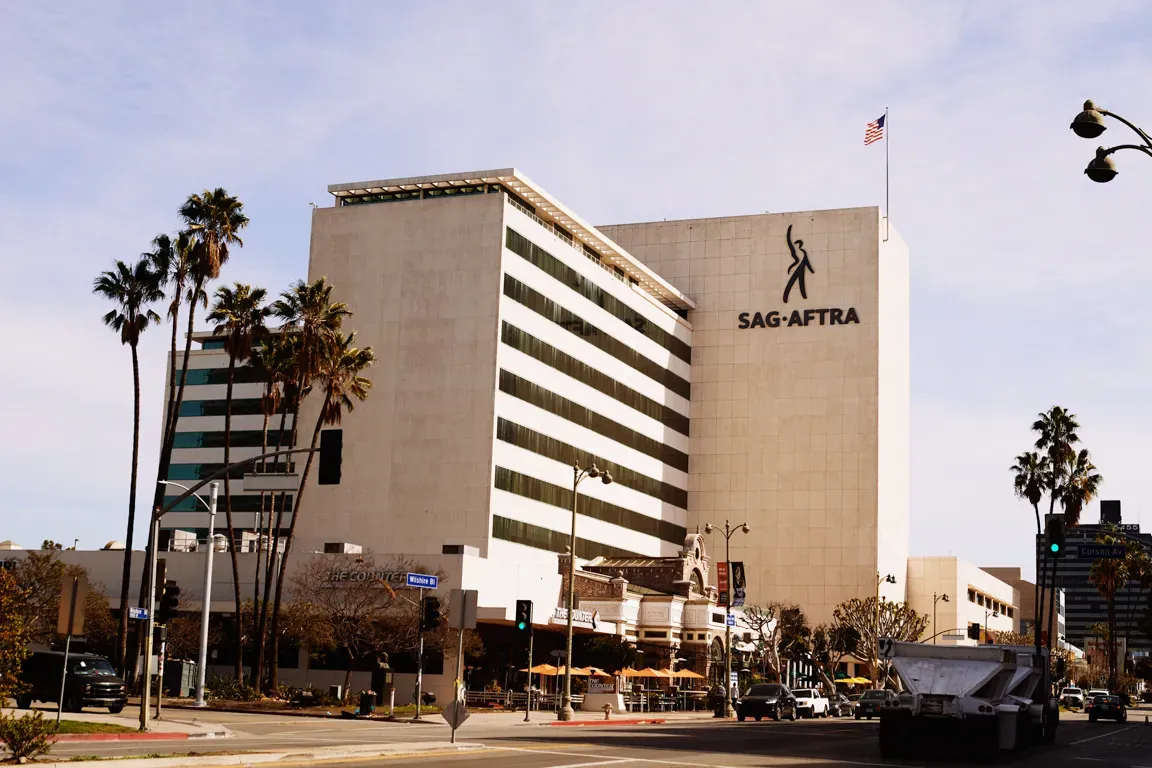
SAG-AFTRA members ratified a four-year contract with the major studios that includes new provisions on synthetic actors and a merger of the union’s two pension funds. Of ballots cast, 91.4% supported the deal, giving studios and union leaders a clear mandate and a new baseline for AI terms, retirement funding, and labor planning.
SAG-AFTRA members have approved a four-year contract with the major studios, and the margin was not close. Of those who cast ballots, 91.4% voted in favor and 8.6% opposed the deal, with turnout at 19.3% of eligible members. That gives the union a strong ratification and ends the uncertainty around a package that combines new rules on synthetic actors with a merger of the union’s two pension funds. For studios, that means the operating playbook for labor, AI, and retirement benefits just got a lot more defined. For everyone watching the entertainment business, it is another reminder that AI is no longer a future-facing debate. It is now part of the contract stack.
The headline issue in the agreement is synthetic actors. The source says the contract includes new provisions on them, and that alone tells you where the pressure point is. In plain English, this is the legal and business framework around performers created or replicated using technology rather than a live human on set. The fact that this had to be addressed in a major-studio agreement shows how quickly AI has moved from an abstract fear to a practical negotiation item. When a labor contract starts spelling out what producers can do with synthetic performers, you are no longer discussing theory. You are setting terms for actual production decisions, from how talent is used to how digital likenesses may be handled inside the studio system.
That matters because labor deals in Hollywood do more than settle wages. They shape what can be made, how it can be made, and which costs get locked in for years. A four-year contract gives both sides a time horizon. Studios can plan around a known set of rules instead of negotiating every edge case project by project, and union members get a formal say over the boundaries being set around technology that could affect future work. The 91.4% approval rate suggests members preferred this deal to the uncertainty of waiting. The 19.3% turnout, meanwhile, shows that while the vote was decisive, it came from a relatively limited slice of eligible members. That is not unusual in union ratifications, but it does mean the leadership now has a clear mandate while still needing to keep the broader membership aligned as the agreement is implemented.
The other major piece is the merger of the union’s two pension funds. Pension mergers are not flashy, but they are serious business. They can affect funding stability, administrative complexity, and how retirement benefits are managed over time. The source does not spell out the mechanics of the merger, so the safe read is simple: SAG-AFTRA is consolidating two retirement vehicles into one arrangement inside this broader contract. In practice, that kind of move can streamline management and align the union’s long-term benefit structure, which is no small thing for a workforce that depends on project-based income and a patchwork of employment. For members, retirement security is not an abstract line item. It is part of whether a career in entertainment adds up over decades.
Put together, the AI language and the pension merger show how modern labor agreements are becoming multi-layered operating documents. They are no longer just about pay scales and working conditions, important as those remain. They now also cover tech governance and long-term benefit architecture. That is especially relevant in entertainment, where the economics of production are already under strain from changing audience habits, tighter budgets, and the constant pressure to do more with less. A contract like this gives studios clarity, but it also imposes constraints. If synthetic performers are part of the future, the details of what producers can and cannot do with them will shape creative, legal, and cost decisions across the industry.
The vote also matters as a signal. When members ratify a deal by more than nine-to-one, it suggests the union was able to present an agreement that felt materially better than the alternative. That kind of support can make implementation smoother, because a contract is only as strong as the willingness of the people it covers to live with it. For studio executives, the practical takeaway is that AI terms are now entering the standard bargaining framework rather than sitting in a separate innovation bucket. For producers, legal teams, and talent representatives in other sectors, the broader lesson is clear: once technology starts touching identity, labor value, and retirement security at the same time, the negotiation stops being niche. It becomes core infrastructure.
That is why this ratification is bigger than a procedural union update. It is a clean sign that the entertainment business is adapting to AI through contracts, not just commentary, and that long-term worker benefits remain part of the same strategic conversation. The deal gives SAG-AFTRA members a four-year framework, lets studios move forward under defined terms, and sets a precedent that other labor groups and media companies will be watching closely. If you run a company where technology can replace, mimic, or augment human work, this is the kind of agreement that starts showing up in your world next.
This story's Key Insights and Take-aways are locked.
Create a free account to unlock Executive Actions for one credit.
Register to UnlockAlways free for Executives Club members. Join the Club
More in Business

Anthropic’s Levant Alpöge cracks the Jacobian conjecture after 87 years
A Harvard valedictorian used Claude to hit a 1939 breakthrough, but the missing “why” is the real problem.

Uber buys Delivery Hero for nearly $15B, vaulting to top food delivery outside China
The deal doubles Uber's dual-services footprint and pushes a ride-and-eats bundling play into 50 more markets.

Epic and Google drop settlement bid, forcing rival Android app stores by July 22
Google told the court it is ready to carry third-party app stores starting Wednesday, July 22.