

Sam Altman touts AI at G20 as protestors outside expose industry's popularity problem
The gap between tech leaders' AI optimism and public backlash over data centers is widening, with two-thirds of Americans opposing local data centers.
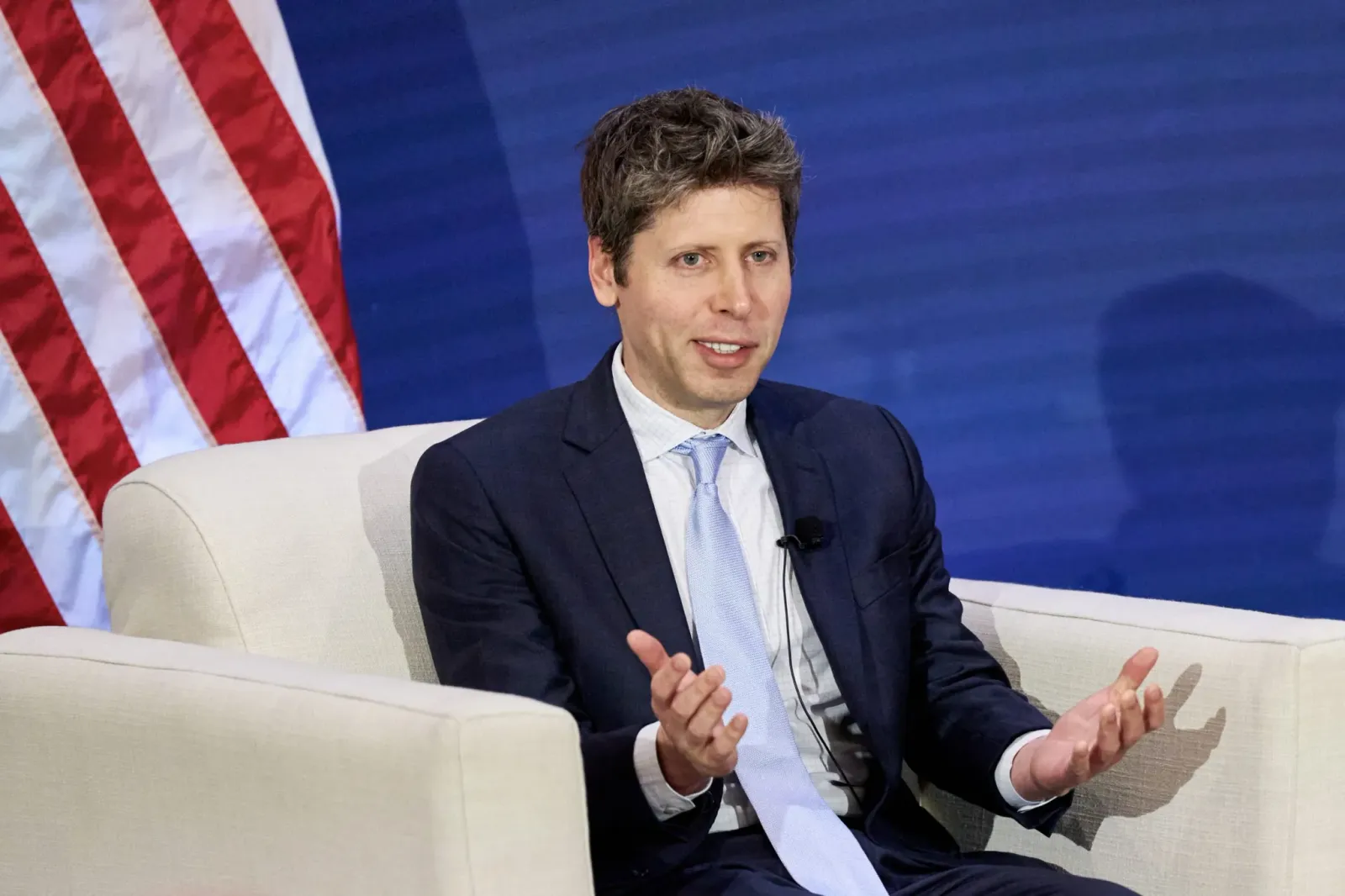
At a G20 gathering in Chapel Hill, N.C., OpenAI CEO Sam Altman and other tech leaders championed AI's potential while hundreds of protestors outside voiced opposition to data centers. The widening disconnect signals a reputational and regulatory risk for AI infrastructure expansion that executives must address.
Inside the Carolina Inn at the University of North Carolina, OpenAI CEO Sam Altman called AI "incredible magic of intelligence in a bottle" during a G20 fireside chat with U.S. Commerce Secretary Howard Lutnick. Outside, hundreds of protestors gathered to voice anger over data centers, pollution, and the billionaires behind them. The scene captures a growing reputational problem for the AI industry as its most visible physical manifestation, data centers, faces mounting public opposition.
The protestors' message directly contradicts the optimism of tech leaders like Nvidia CEO Jensen Huang and Palantir CEO Alex Karp, who also spoke at the event. The disconnect is not just symbolic. A poll from the Economist and YouGov found two-thirds of Americans oppose building a data center in their local area, and activists staged 142 demonstrations across 42 states in July alone. This is the popularity problem the headline promises.
Data centers have become the flashpoint for AI backlash because they are tangible, consuming vast amounts of electricity and water. Residents across the country have pushed back against projects, citing pollution and false promises of long-term employment. Melisande Timblin, a 2005 graduate of the university, told Fortune that developers sell "a big lie" about jobs that last only a few years during construction. The protests are not fringe; they are shaping policy.
The backlash is translating into political action. In Texas, which has the second most data centers, Republican Gov. Greg Abbott introduced stricter rules amid a close re-election race. Attorney General Ken Paxton, facing a tight Senate contest, also hardened his stance. In North Carolina, dozens of local governments have adopted moratoriums or tighter zoning rules as data center proposals spread. The issue has become a midterm election flashpoint on both sides of the aisle.
Executives argue that more AI capability requires more infrastructure. Altman warned that without building more, AI would become a "highly priced model." The industry points to economic benefits: construction jobs, tax revenue, and lower property taxes in places like Virginia's Loudoun County, which has the highest concentration of data centers and has cut residential property tax rates for a decade. But these arguments are not swaying public opinion.
The reputational problem extends beyond data centers. Anthropic CEO Dario Amodei, who once predicted AI could replace 50% of white collar jobs, has softened his stance, calling AI a multiplier of jobs. Altman said this year that AI is unlikely to lead to a "jobs apocalypse." Yet Amodei acknowledged last month that AI faces a crisis of trust and must deliver a breakthrough like curing cancer to earn it back. The industry's messaging has shifted, but the skepticism remains.
For executives and boards, the lesson is clear: the AI boom is colliding with local realities. With more than 3,000 data centers planned or under construction, adding to roughly 4,000 existing ones, the infrastructure buildout will only intensify. Companies that ignore community concerns risk regulatory delays, reputational damage, and a political environment that could slow their growth. The G20 scene is a warning that the industry's biggest challenge may not be technical but social.
The contrast inside and outside the Carolina Inn underscores a fundamental tension. Tech leaders see AI as a transformative force; many Americans see it as a threat to their communities. Bridging that gap requires more than PR. It demands tangible benefits, transparent engagement, and a willingness to address legitimate concerns about water, power, and jobs. The industry's future depends on winning not just the technology race but the trust race.
This story's Key Insights and Take-aways are locked.
Create a free account to unlock Executive Actions for one credit.
Register to UnlockAlways free for Executives Club members. Join the Club
More in Business

Tim Cook steps down as Apple CEO, stays on as chair with $45M equity
The 'Trump whisperer' keeps his White House and Beijing access as Apple navigates tariffs and a $4.6 trillion market cap.
Snowflake shares surge as AI data demand crushes estimates, lifting full-year forecast
Stocks jumped on stronger-than-expected guidance, signaling enterprise AI workloads are accelerating faster than Wall Street priced in.
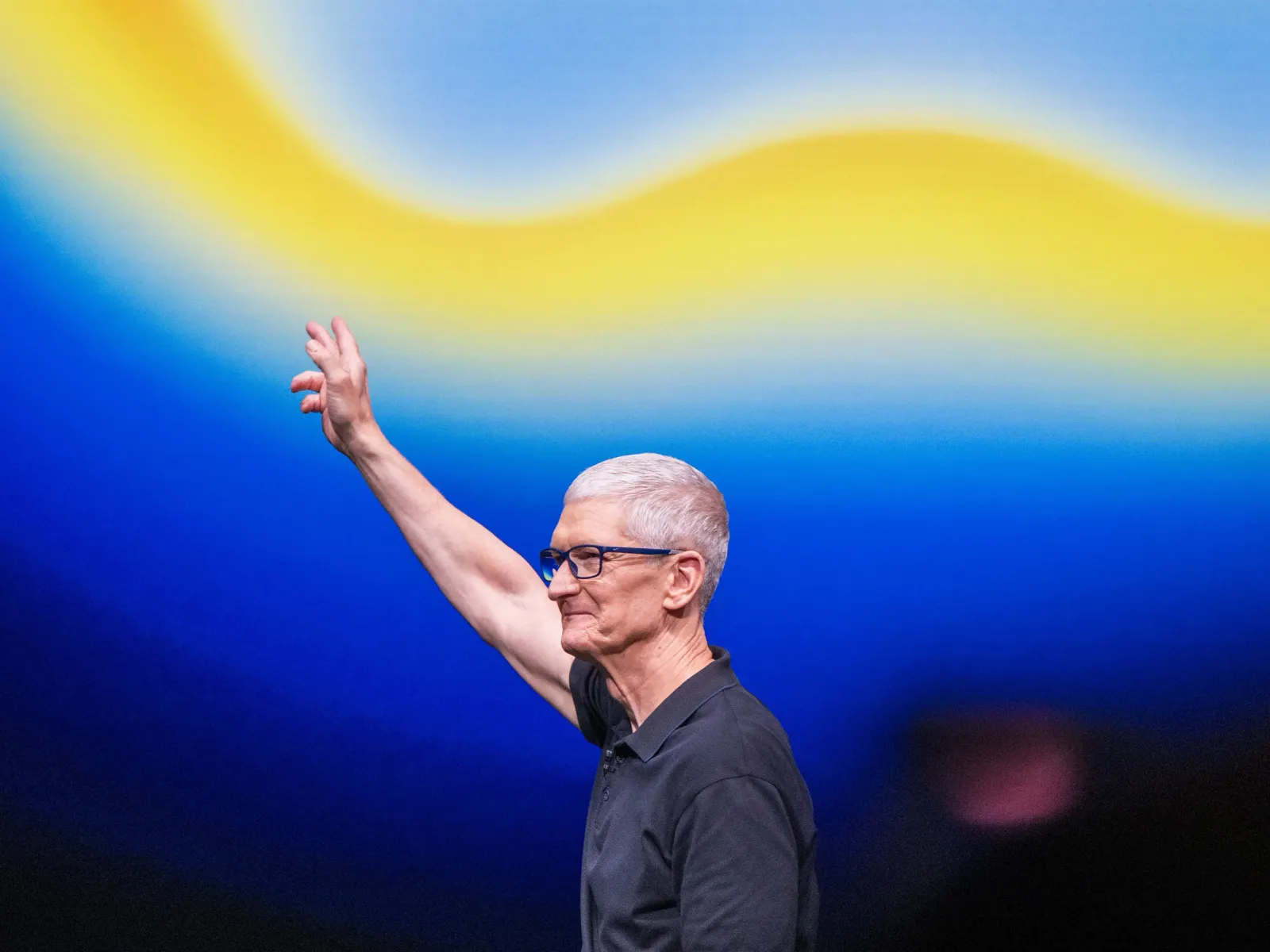
Tim Cook's 15-year Apple CEO run ends: 3 lessons for any successor
After 15 years, Tim Cook hands Apple to John Ternus - here's how he turned a $350B company into a $4.6T juggernaut.