
Sam Neill died of pneumonia, agent Philip Grenz says after family-approved correction
The “Jurassic Park” actor’s cause of death was clarified publicly to fix media claims, and it matters for how reputations are managed.

Sam Neill, best known for “Jurassic Park,” died of pneumonia, according to his agent Philip Grenz. Grenz says he revealed the cause after speaking with Neill’s family to correct “inaccurate and outright falsehoods” in the media, as Neill died on Monday in Sydney, Australia at age 74.
“Jurassic Park” star Sam Neill died of pneumonia, his agent Philip Grenz confirmed on Thursday, according to a BBC report relayed by Variety. Neill died on Monday in Sydney, Australia, at the age of 74. The clarification was not just medical housekeeping. It was a deliberate correction, prompted by what Grenz says were “inaccurate and outright falsehoods” circulating in the media.
Grenz, Neill’s longtime agent, decided to reveal the cause after speaking to the actor’s family. That family-first framing is the headline’s real story: the public explanation was aligned with the people who should have the final say, and timed for a moment when the record needed fixing. In other words, the cause of death was confirmed, but the underlying battle was about narrative accuracy, trust, and who gets to set the facts when someone can no longer respond.
For executives, this reads like a reminder that reputational risk is not limited to product recalls and quarterly guidance. When a prominent individual dies, the information vacuum fills fast. Media outlets and online communities often move quicker than verified channels, and once incorrect claims get traction, they can harden into “common knowledge.” In that environment, an agent coordinating with a family is a form of crisis governance. It is also a signal of where accountability sits when the subject is gone: not with anonymous rumor, but with the closest legitimate stakeholders.
There is a practical incentive behind acting quickly. Even when wrong information is later corrected, the first narrative can still do damage: it can distort how audiences remember a person, how fans interpret their legacy, and how other public figures coordinate tributes. In corporate settings, the same dynamic shows up when teams delay clarifications. The longer incorrect details exist, the more difficult it becomes to separate the correction from the chaos. Here, Grenz’s decision to reveal the cause after family conversations suggests a choice to prioritize credibility over ambiguity, and to do so with an authoritative source.
It is also worth noting how the BBC’s role fits the ecosystem. Variety’s report points to the BBC’s account of Grenz’s rationale. That matters because it shows a pathway from private confirmation to public distribution through established reporting channels. When information is sensitive, the “verification chain” matters just as much as the facts themselves. Grenz did not simply correct rumors in isolation; he used his longtime position and a mainstream outlet to communicate the confirmed cause.
From a second-order perspective, this kind of correction can influence how boards and senior leaders think about comms preparedness. The events are different, but the challenge is similar: you cannot control what the internet publishes, but you can control how quickly accurate information is marshaled, approved, and distributed. In many organizations, this is handled through crisis plans, legal review, and stakeholder mapping. In Neill’s case, the stakeholder mapping appears straightforward, but still sensitive: Grenz speaks to the family, then he shares the cause publicly. That sequence is a governance pattern executives recognize even outside celebrity news.
Finally, there is a human layer that executives sometimes forget in the rush to “manage messaging.” The family-approved approach underscores consent and respect, not just correction. When companies handle sensitive incidents, audiences expect empathy paired with accuracy. When that expectation is met, the correction feels less like PR and more like a responsible update. When it is missed, even accurate statements can be received as cold or self-serving.
For peers in public-facing roles, the strategic stake is clear: trust is fragile, and rumor travels. Neill’s agent chose to clarify the cause of death promptly and anchored that clarification in conversations with Neill’s family. The lesson for leadership teams across industries is not that every crisis is the same, but that the fastest route to legitimacy often runs through the right decision-makers, documented facts, and timely public correction once “inaccurate and outright falsehoods” are already out there.
This story's Key Insights and Take-aways are locked.
Create a free account to unlock Executive Actions for one credit.
Register to UnlockAlways free for Executives Club members. Join the Club
More in Entertainment
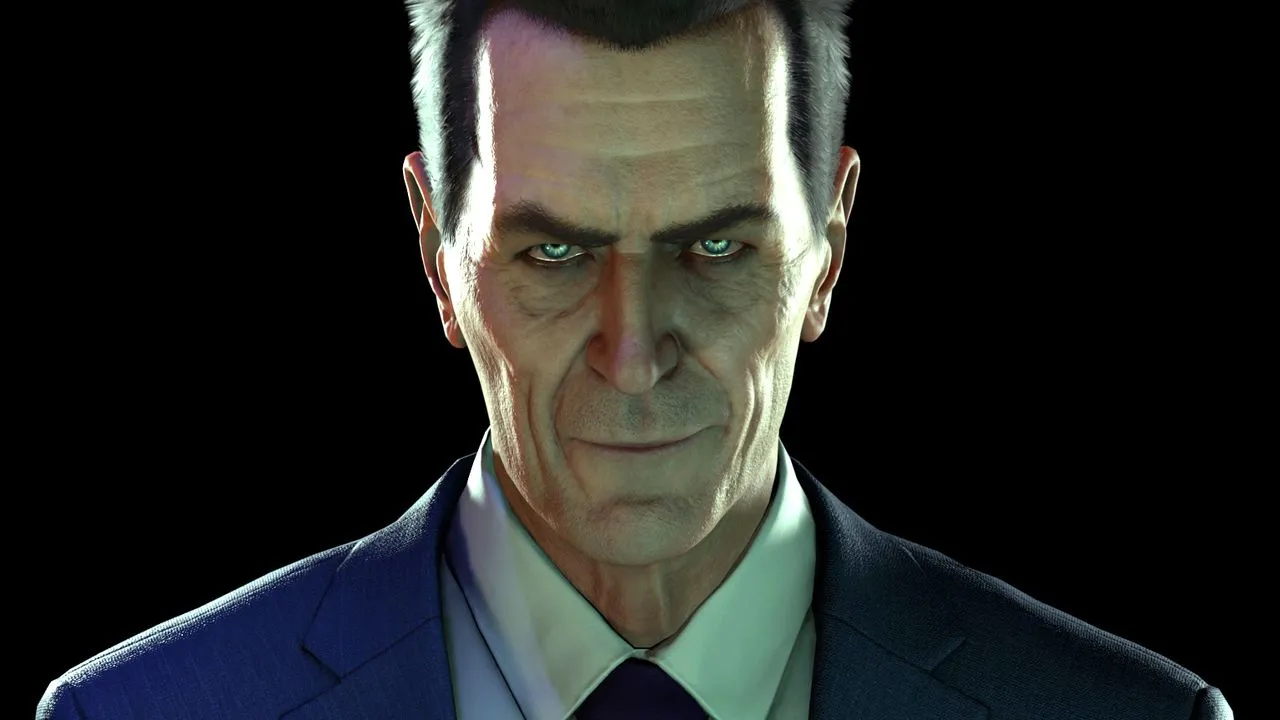
12TB Steam 'teraleak' goes beyond Valve: GTA 3, Mafia 2 prototypes exposed
A 12-terabyte dump of Steam data reveals prototypes and builds of third-party classics like GTA 3 and Mafia 2, plus unreleased Valve content, rewriting game history.

LinkedIn's romance problem: 1 in 4 workers say dating on it is fair game
A new survey shows a quarter of U.S. employees treat the professional network as fair game for romance, even as LinkedIn bans it and removes hundreds of thousands of offending posts.

Enhypen's first No. 1 album breaks K-pop's Billboard 200 streak
The K-pop group's 98,000-unit debut tops the chart while Dolly Parton's catalog reentry shows how death reshapes streaming.