
Samsung and SK Hynix plan $1.3T in fabs over 10 years, South Korea flips the switch
Fortune reports Samsung Electronics and SK Hynix are expected to announce up to 2,000 trillion won for Gwangju-area semiconductor builds.
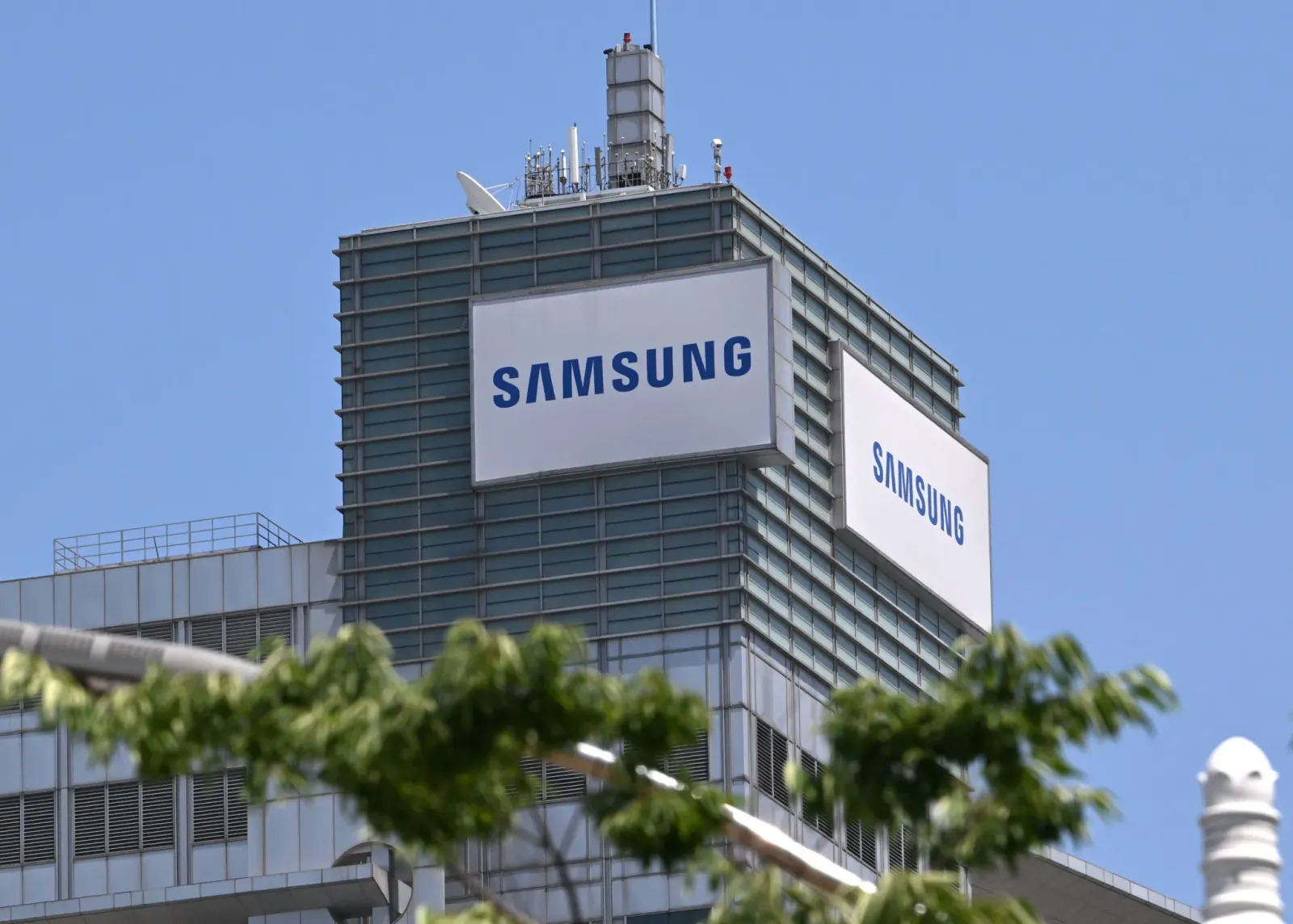
Samsung Group and SK Group are expected to unveil investment plans totaling as much as 2,000 trillion won, or $1.3 trillion, over the next decade. The move, tied to President Lee Jae Myung’s “Three Mega Projects for the Great Leap Forward,” centers on fabs and advanced memory and packaging capacity.
South Korea is preparing a semiconductor spending blitz that is hard to ignore: Samsung and SK are reportedly set to announce as much as 2,000 trillion won, or about $1.3 trillion, over the next 10 years. Fortune is reporting this as part of President Lee Jae Myung’s flagship industrial strategy, with the plans expected to be rolled out when the leaders present their proposals at the presidential office on Monday.
The specific build-out being reported is also unusually clear for a pre-announcement. Samsung Electronics and SK Hynix are each expected to build four to five semiconductor fabs in the Gwangju area. That is the headline number, but the practical stake for decision-makers is what it means for capacity, timing, and the competitive map of global chips and AI infrastructure in the late 2020s.
This is not happening in a vacuum. The presidential office says President Lee will introduce the “Three Mega Projects for the Great Leap Forward” initiative at a 2 p.m. event. Presidential spokesperson Kang Yu-jung said that officials from the industry, science, climate and land ministries will outline policy measures before Samsung and SK present their investment plans. So while the headline is about factories, the backstory is about government design: industrial policy that can tilt permitting, incentives, land or infrastructure support, and execution timelines.
The government framing is also a signal about where South Korea wants to place bets. The plans are expected to focus on sectors including semiconductors, AI data centers, and physical AI. That matters because “semiconductors” is broad enough to include everything from leading-edge logic and foundry work to memory, but pairing it with AI data centers and physical AI suggests the strategy is not just about making chips. It is about creating an end-to-end industrial ecosystem that keeps downstream demand close to the supply chain.
For Samsung, the reported component list has an extra layer. In addition to the expectation of four to five semiconductor fabs in Gwangju, Samsung is also expected to build chip packaging plants in South Chungcheong province. Packaging is the part of the supply chain that often becomes a bottleneck as advanced chips move into tighter form factors and more complex stacks. If you are a customer, OEM, or cloud buyer, the subtext is clear: improved packaging capacity can reduce lead times and stabilize supply when other parts of the production chain are already oversubscribed.
For SK Hynix, the emphasis shifts to memory. The newspaper said SK Hynix will expand NAND plants in North Chungcheong province, alongside four to five semiconductor fabs in Gwangju. NAND memory is a critical input to storage for data centers and devices, and it has its own cycles. Capacity additions in the mix can affect supply balances and pricing dynamics over time, but the bigger strategic issue for boards and executives is the signaling effect. When a major memory player expands alongside new fab construction, it typically reflects confidence in demand durability tied to AI workloads and the broader build-out of data center capacity.
There is also a capital and credibility angle to the numbers themselves. The latest report pointed to a combined investment commitment of as much as 2,000 trillion won over 10 years, exceeding an earlier Maeil Business Newspaper report that said Samsung alone was expected to announce more than 1,000 trillion won, or $646 billion, in spending. In other words, even within Korean business media, the scale appears to be ratcheting up. Presidential policy chief Kim Yong-beom told viewers in a YouTube interview Friday that “very unusual” figures would be unveiled on June 29, when Lee hosts the meeting with major companies.
Finally, there is the calendar pressure. The presidential office said officials will outline policy measures before Samsung and SK present their investment plans, and the leaders are expected to unveil the package on Monday. When you combine a tight event schedule with “very unusual” figures, it suggests the government and corporate leadership are aligned enough to commit publicly, not just explore options quietly.
Strategically, this is a wake-up call for executives at competitors and adjacent suppliers. If Samsung and SK Hynix are laying out four to five fabs each in Gwangju, plus Samsung’s packaging plants in South Chungcheong and SK Hynix’s NAND expansion in North Chungcheong, then the Korean semiconductor landscape is moving from incremental upgrades to a multi-year capacity statement tied directly to AI and industrial policy. The second-order effect is that other regions, other suppliers, and other boards will have to plan for a market where South Korea’s supply commitments are both larger and more tightly linked to AI buildout. If you sit on a semiconductor board, run a procurement strategy for data centers, or invest in upstream tools and materials, this is the kind of announcement that changes the baseline assumptions for the cycle ahead.
This story's Key Insights and Take-aways are locked.
Create a free account to unlock Executive Actions for one credit.
Register to UnlockAlways free for Executives Club members. Join the Club
More in Business

Bungie cuts most Destiny 2 staff as Sony says Marathon still matters
Herman Hulst confirms layoffs affecting most Destiny and some Marathon teams after Bungie admits Destiny fell short.

SK Hynix jumps 11% after seeking up to $29.4B in Nasdaq listing
The chip giant filed for a Nasdaq listing plan that could raise $29.4 billion, instantly reshaping investor expectations.
Micron revenue hits nearly $42B as AI memory lifts gross margins above 81%
Fiscal Q3 results crush estimates, prove AI memory is rewriting Micron's margins, and change the momentum math for the whole chip stack.