

Samsung and SK Hynix shares drop as investors brace for $1.3T spending plans
The reported scale of new chip investment is hitting both stocks immediately, and it changes how markets price supply, risk, and timelines.
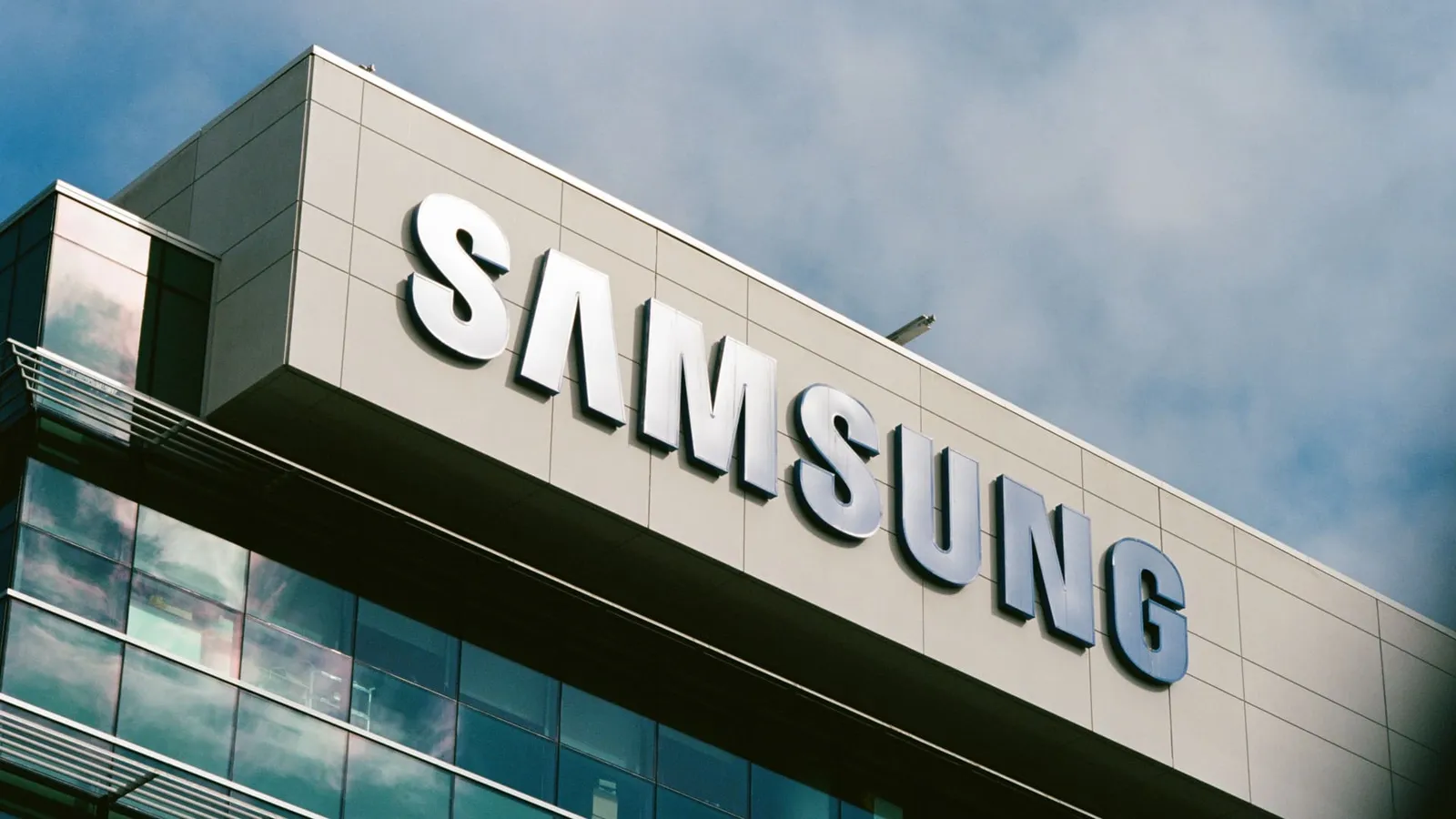
Samsung Electronics and SK Hynix shares fell after reports surfaced that the two companies are expected to unveil investment plans worth hundreds of billions of dollars. For investors and company leaders, the drop is a real-time reminder that even bullish capex stories get judged on timing, execution, and capital intensity.
Samsung Electronics and SK Hynix shares plunged after reports surfaced that the pair are expected to unveil investment plans worth hundreds of billions of dollars. The headline number being discussed in the market is staggering: a reported $1.3 trillion spending plan, which is now shaping how traders and long-term investors read the entire memory cycle.
If you are an executive in semiconductors, this is the part that matters: markets are not only asking, "Are they investing?" They are asking, "How soon, at what scale, and with what risk?" The reported spending plans are large enough that they do not just signal commitment to capacity. They also force investors to re-price the balance between demand recovery and the supply ramp that inevitably follows.
To understand the immediate selloff, zoom out to how memory businesses typically get valued. DRAM and NAND are cyclical. When demand looks strong, capex tends to rise. When supply ramps faster than demand, prices can soften. So when investors hear "hundreds of billions" in investment, they automatically run a scenario tree: What if the industry is already nearing a recovery point? What if the new capacity arrives before demand catches up? In other words, spending can be both the cure and the problem, depending on timing.
The Samsung and SK Hynix split in market psychology is also worth noting. These companies are competitors, but they operate inside the same global supply-and-demand physics. If both are expected to launch major investment plans, the market has to weigh whether the combined industry move will tighten or loosen the fundamentals. Even if each company believes the strategy is right in isolation, investors care about the system outcome. That is why the stock reaction can be swift: the market is effectively asking whether the planned capacity build will be aligned with where prices can hold up.
There is also a capital market angle. The reported scale of spending is big enough that it can affect how investors think about balance sheets, funding needs, and returns on invested capital. Large capex programs can be executed with internal cash flow, debt, or a mix. The key issue is not just cost, it is discipline. Memory companies live and die by capital allocation at the right point in the cycle, and large plans can look either like a long-term bet or like an expensive rush, depending on the macro backdrop.
Regulatory framing can add another layer of pressure. While this specific report is about expected spending plans and the stock reaction, major semiconductor investments usually get scrutinized across jurisdictions, especially when they involve supply chain resilience, domestic manufacturing, and industrial policy. Governments want security of supply, but investors also want clarity. When uncertainty exists around permitting, subsidies, or cross-border trade constraints, the market tends to price an execution premium. That premium shows up as volatility, and sometimes it starts before any formal announcement.
For boards and C-suite teams at other chip companies, the strategic stakes are simple. This moment sets a reference point for what investors now expect from leaders in memory. If the market punishes Samsung and SK Hynix for the mere expectation of $1.3 trillion in spending plans, that signals investors are demanding more than “we are investing.” They want conviction translated into timing and measurable paths to profitability.
And for everyone watching the broader sector, the second-order implication is that capex expectations can become a constraint. When investors brace for huge industry spending, they may become more selective about who can convert investment into durable pricing power. That can influence cost of capital, partnership conversations, and how quickly buyers expect supply to expand. In a cyclical business, the scariest outcome is not losing market share. It is building capacity faster than the market can absorb it, then paying for the mistake through a weaker pricing environment.
So the stock drop is not just a headline about two companies. It is a live signal about how the market is currently interpreting the memory investment cycle. Reports of hundreds of billions in expected spending, including a reported $1.3 trillion, are forcing investors to revisit the fundamental question: will this be the kind of investment that anchors a recovery, or the kind that accelerates the next down-cycle?
This story's Key Insights and Take-aways are locked.
Create a free account to unlock Executive Actions for one credit.
Register to UnlockAlways free for Executives Club members. Join the Club
More in Business

Bungie cuts most Destiny 2 staff as Sony says Marathon still matters
Herman Hulst confirms layoffs affecting most Destiny and some Marathon teams after Bungie admits Destiny fell short.

SK Hynix jumps 11% after seeking up to $29.4B in Nasdaq listing
The chip giant filed for a Nasdaq listing plan that could raise $29.4 billion, instantly reshaping investor expectations.

Micron revenue hits nearly $42B as AI memory lifts gross margins above 81%
Fiscal Q3 results crush estimates, prove AI memory is rewriting Micron's margins, and change the momentum math for the whole chip stack.