
Samsung Z Fold 8 leak shows wider design, Snapdragon 8 Elite, and 26-hour video claim
Evan Blass’s images preview a Fold 8 refresh and key specs before Samsung’s July 22 launch event.
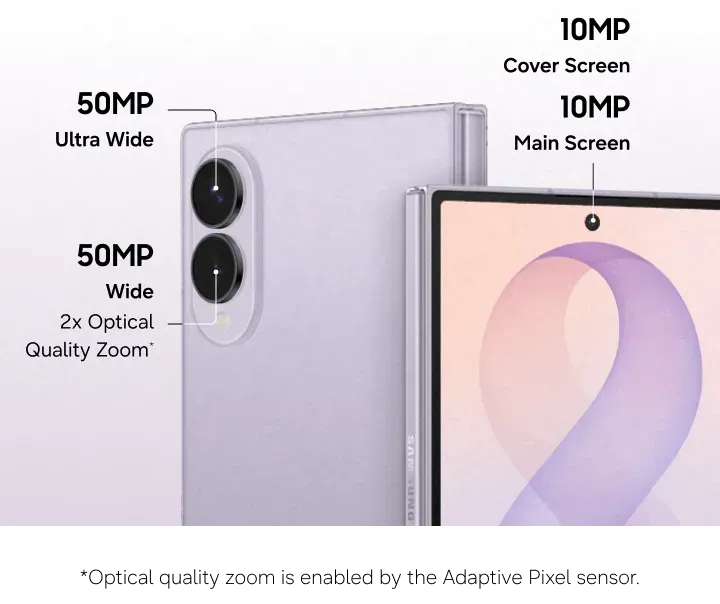
Leaker Evan Blass shared images of Samsung’s redesigned Galaxy Z Fold 8 ahead of a July 22 launch event expected to include an official announcement. The leak points to a wider foldable, Snapdragon 8 Elite For Galaxy, multiple 50MP rear cameras, and an “up to 26 hours” video playback claim.
Samsung’s next big foldable bet is getting a makeover, and it is coming into view early. Just days before Samsung’s July 22 launch event, leaker Evan Blass posted images of the redesigned Galaxy Z Fold 8 that show a shorter, wider form factor. Blass’s leak also surfaces a bundle of specs, including Samsung’s use of a Qualcomm Snapdragon 8 Elite For Galaxy processor and a rear camera lineup anchored by 50MP wide and 50MP ultra-wide sensors.
This matters because the Fold 8 is not being refreshed in a vacuum. Foldables live or die by the details users feel every day: screen usability when folded, battery endurance when you are away from a charger, and the camera reliability that convinces buyers this is not just a “cool” device. Here, Blass’s images point to a design shift meant to improve the fold experience, while the advertised performance and stamina claim, “up to 26 hours of video playback,” is the kind of spec marketers and buyers both rally around. The leak also lists 10MP selfie cameras on both the inside and outside displays, a reminder that Samsung is still treating the Fold 8 as both a productivity tool and a social phone.
Let’s unpack the rhythm of what is happening. According to the leak, Samsung is moving to a shorter, wider foldable matching earlier Z Fold 8 leaks, which suggests Samsung has been iterating in public for a while, even if it tries to keep the final recipe under wraps until launch. The wider design direction is significant for the board-level question executives care about: how do you reduce friction and returns? A foldable that feels less awkward when you unfold it, and that better fits typical app layouts, can translate into higher satisfaction. And satisfaction is not just a consumer metric. It impacts carrier demand, reseller confidence, and whether customers upgrade again instead of treating the first foldable purchase as an experiment.
On the compute side, the Snapdragon 8 Elite For Galaxy callout is also a signal. In plain English, that is the chip family meant to deliver top-tier performance tuned for Samsung devices. Executives should read that as Samsung positioning the Fold 8 as a flagship, not a niche gadget. When companies pick flagship silicon, they are implicitly committing to compete across categories: performance, AI features, gaming, and sustained responsiveness. Even if the leak does not detail thermals or benchmarking, the presence of a high-end platform usually shapes everything around it, including software optimization priorities and how the marketing story is framed.
Now the cameras. Blass’s leak says the rear setup includes 50MP wide and 50MP ultra-wide cameras. That is the kind of pairing that consumers understand quickly: a wide lens for everyday shots and ultra-wide for group photos, landscapes, and “fit more in” moments. The addition of 10MP selfie cameras both inside and outside is more operational than it sounds. Inside-screen selfies have historically been a foldable differentiator, but they also impose design constraints and calibration challenges. Keeping a 10MP spec across both cameras implies Samsung is standardizing the selfie experience so the outer display is not “for emergencies” and the inner display is not “only when you want the wow.”
Battery is where foldables often get judged harshly. The leak includes an advertised “up to 26 hours of video playback.” Executives should treat that claim as a promise that needs to hold under realistic usage patterns, since video playback is a proxy for continuous drain. For a product that already faces the skepticism that it is “fragile” or “high maintenance,” a battery claim can be the difference between a buyer reading the spec sheet as reassurance versus warning. It is also a signal for how Samsung plans its launch narrative: emphasizing endurance, not just novelty.
Timing is the other story embedded in this leak. The Verge notes Blass shared these images just days before July 22, when Samsung is expected to officially announce the phone. Leaks this close to launch typically compress final messaging windows for Samsung’s marketing teams and can force competitors to react early, especially if spec changes land in the exact areas buyers compare. The second-order effect is that sales teams at retailers and carriers need crisp talking points quickly, because customers increasingly shop by spec and comparison, not by intention.
Finally, Blass also posted images of the Galaxy Z Flip 8 and shared images of the Galaxy Z Fold 8 Ultra in an email related to receipt, per the report. That matters for anyone tracking Samsung’s broader foldable lineup because it suggests a coordinated refresh cycle: multiple models, multiple angles of differentiation. If Samsung is revising the Fold 8 toward a shorter, wider experience while also pushing high-end chips and multi-50MP camera hardware, then the competitive stake is clear. This is Samsung trying to make “foldable” feel less like a compromise and more like the obvious flagship choice.
For executives in adjacent markets, the take is simple: foldable differentiation is shifting from raw novelty toward everyday ergonomics and spec-backed reliability. Design form factor, processor choice, camera megapixel strategy, and battery endurance claims are becoming the battleground. Samsung’s July 22 announcement will likely convert these leak details into a final product story. If the Fold 8 lands with the wider screen experience users want and the endurance Samsung is advertising, it will raise the bar not only for other foldables, but for any premium device that claims it is built for real life, not just demos.
This story's Key Insights and Take-aways are locked.
Create a free account to unlock Executive Actions for one credit.
Register to UnlockAlways free for Executives Club members. Join the Club
More in Technology

Google quietly links your phone number to every Android account on your SIM
Adding a SIM now ties your phone number to all Google accounts - and future accounts inherit it. Here's the security and privacy stakes.

Hijacker AI 'Skynet mode' runs 100,000 attack steps against exposed models
Symantec caught a criminal AI agent that borrows other models, steals data, and mines crypto; the only relief is no confirmed victims yet.

Nvidia's AI-financier shift faces its first big test as neoclouds stumble
A rout in neocloud stocks is forcing investors to weigh Nvidia's hidden exposure as both supplier and lender to the AI buildout.