

Samsung Z Fold 8 Ultra makes the crease disappear with Flex Titanium display tech
A titanium film and plate approach quietly fixes the foldable’s most visible flaw, raising the bar for everyone else.
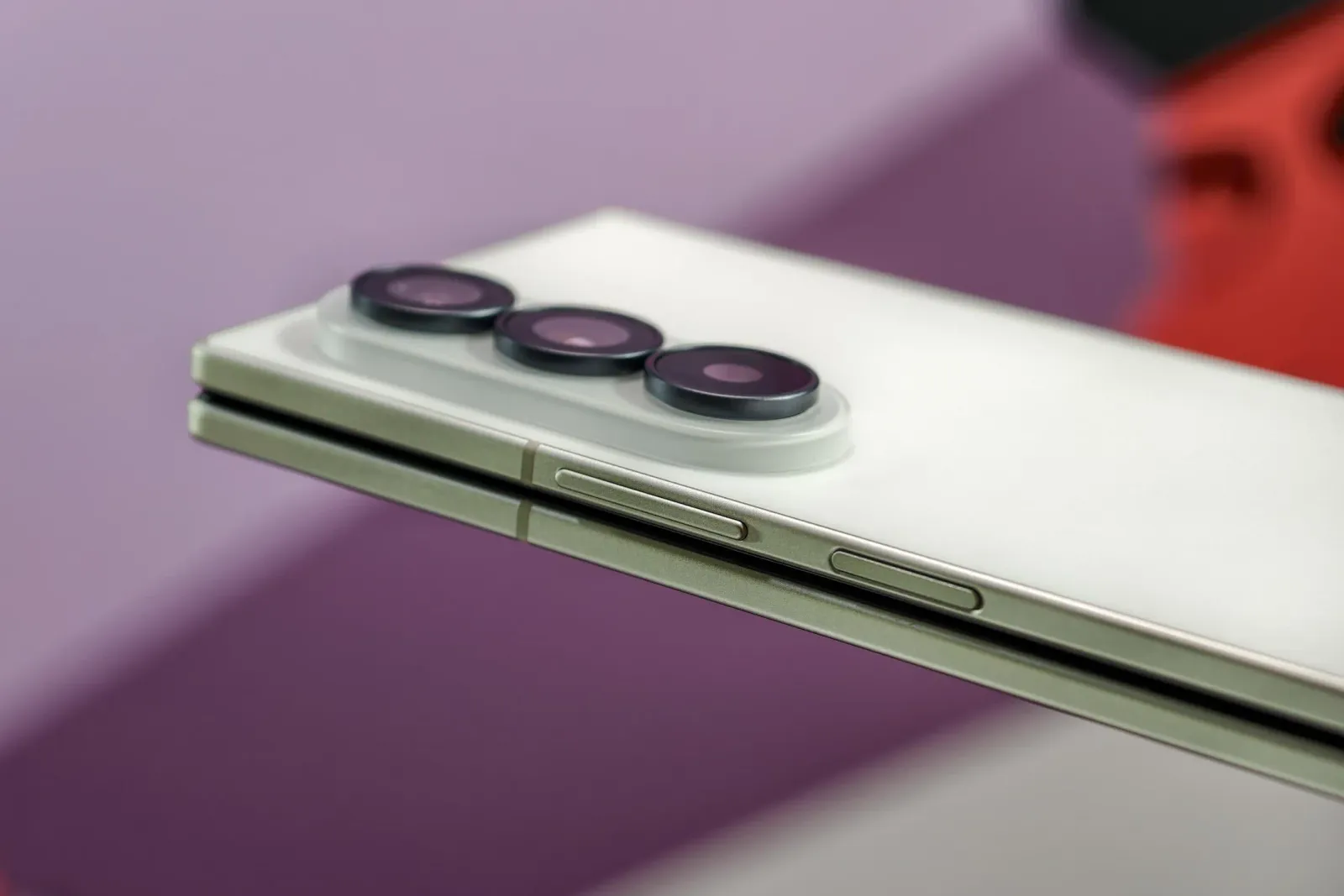
Samsung has updated its foldable lineup with the Z Fold 8 Ultra, and the big change is display hardware meant to make the crease far less noticeable. For decision-makers, it signals the near-term direction of the foldable market: durability and “invisible folding” over gimmicks.
Samsung’s newest foldable, the Z Fold 8 Ultra, finally feels like the kind of upgrade people pay for. After spending three hours with the device, the most striking difference is how Samsung made the crease effectively disappear. It is the problem foldable buyers stare at every day, and Samsung is now tackling it in a way you can actually feel.
Samsung’s explanation is specific. The company says its new Flex Titanium display tech is built around a titanium film that sits below the OLED panel. In plain terms, it is not just a prettier outer layer. It is structural support beneath the display itself, designed to resist bending where the screen folds. Samsung also claims this approach delivers 20-times the mechanical stiffness compared with the polymer film used in its previous foldables.
Why that matters is because foldables live at the intersection of consumer delight and engineering regret. The visible crease is not just an aesthetic issue. It is a daily reminder that you are using a display that must survive repeated stress while also staying crisp and reflective. If the panel can flex more cleanly at the fold, you get a screen that looks more like a slab than a constantly flexing compromise.
Samsung’s new stack, as described in the source, is built from multiple layers working together: the titanium film is bonded to a new titanium plate, and the film and plate are used together to change how the fold behaves. That combined approach is the core of the claim here. The titanium film is not doing the whole job by itself, and the plate is not acting alone. Samsung is essentially building a more rigid foundation under the OLED, then controlling how the crease forms when the device opens and closes.
This is also a strategic shift in how foldable companies compete. For years, the headline has often been “we made it fold.” Now the market needs “we made it feel normal.” The Z Fold 8 Ultra’s crease reduction is the kind of refinement that can move purchase intent because it reduces what people notice first and complain about most. A less visible crease means fewer concessions in daily use, which can change how the device performs beyond early adopters. It is the difference between showing off and relying on.
There is also a subtle but important second-order implication: investors and boards should treat display durability and structural integrity as platform risk, not as a spec line. If the engineering goal is higher mechanical stiffness at the fold, then the supply chain shifts from only chasing flexible materials to ensuring repeatability, bonding quality, and long-term reliability of a more rigid, multi-material display stack. That can affect costs, yields, and time-to-scale even when the user-facing benefit is simple: a smoother-looking screen.
The broader industry context is that foldables are still in a period of “prove it again” competition. Apple is rumored to be working on a foldable iPhone, but the source frames that as something we are waiting on. Samsung is polishing a design it already has on the market, which is a very different risk profile. Samsung does not have to start from scratch, it can iterate on what it learned, and it can pressure-test the new display approach inside an existing product cycle.
And for everyone watching from the boardroom, this kind of hardware evolution is the real competitive scoreboard. If Samsung can make the crease invisible with Flex Titanium display tech, that sets a consumer expectation others will need to match. It means the “foldable tax” could shrink. That is good news for Samsung, but it also raises the bar for partners, component suppliers, and rival device makers. The next foldable launch will be judged less on whether the screen bends, and more on whether the crease stops being the first thing you see.
This story's Key Insights and Take-aways are locked.
Create a free account to unlock Executive Actions for one credit.
Register to UnlockAlways free for Executives Club members. Join the Club
More in Technology

Nvidia's $89B data center quarter: the 9 companies cashing in
The AI buildout is minting fortunes beyond GPUs, and memory, cloud, and cooling suppliers are riding the same wave.

Google quietly links your phone number to every Android account on your SIM
Adding a SIM now ties your phone number to all Google accounts - and future accounts inherit it. Here's the security and privacy stakes.

Hijacker AI 'Skynet mode' runs 100,000 attack steps against exposed models
Symantec caught a criminal AI agent that borrows other models, steals data, and mines crypto; the only relief is no confirmed victims yet.