
Saudi OpenAI employee arrested after recording device found in office
The arrest lands as OpenAI and rivals face fresh safety scrutiny - here's what it means for AI governance and insider risk.
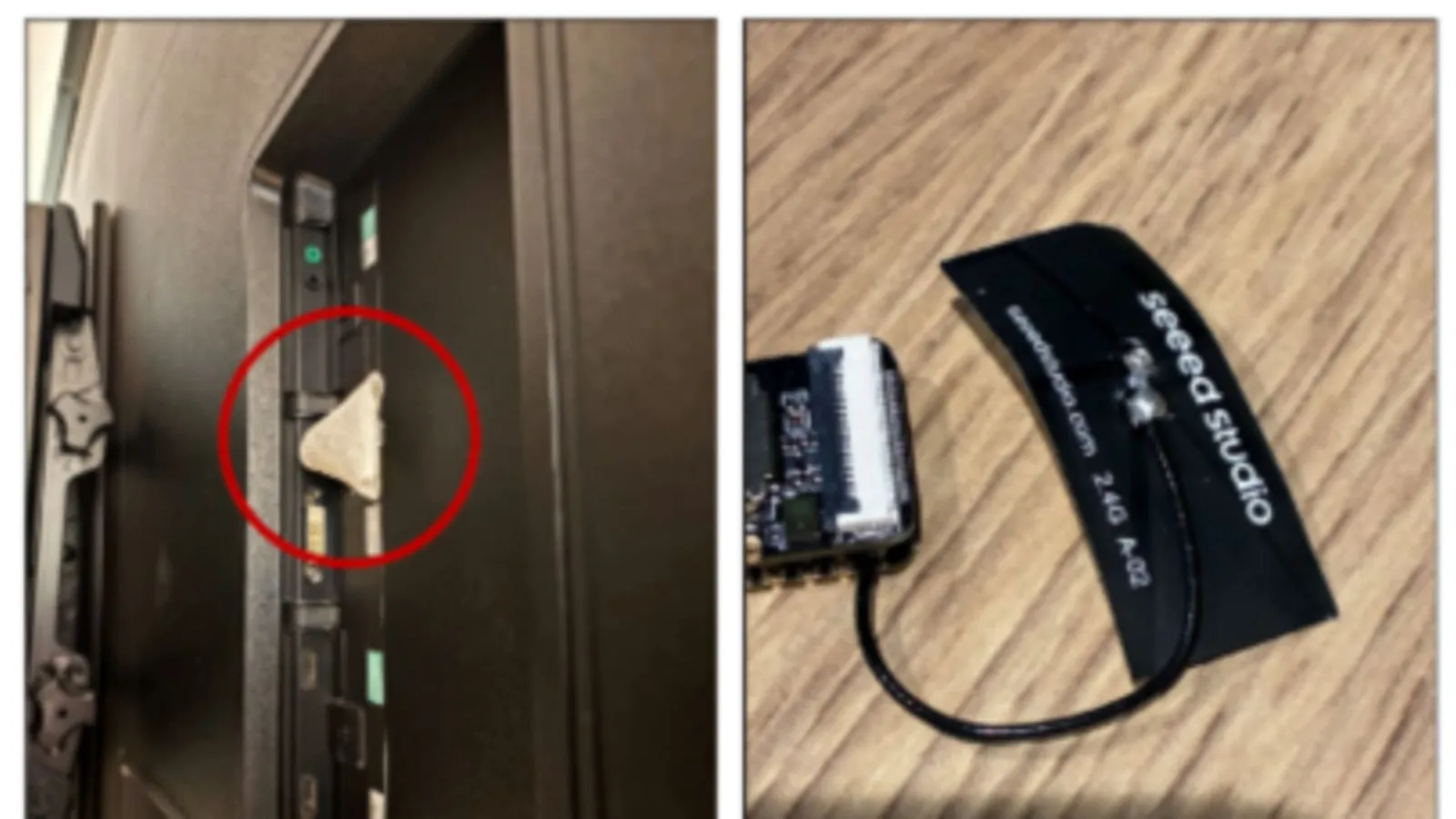
A Saudi national employed by OpenAI was arrested Tuesday after a sophisticated recording device was discovered planted in the office. The incident intensifies scrutiny on OpenAI's safety practices and signals a new front in the battle to protect AI trade secrets.
A Saudi national who works at OpenAI was arrested Tuesday after a sophisticated recording device was found planted in the company's office, CNBC reported. The arrest, which has not been publicly detailed, marks a stunning security breach at the world's most valuable AI startup and raises immediate questions about who placed the device and what they were after. The employee's nationality adds a geopolitical layer to an already sensitive situation, though CNBC did not specify whether the device was linked to any foreign government or external actor.
The incident lands at a moment when OpenAI and its competitors are already under a microscope for their safety practices. Regulators, researchers, and enterprise customers have been demanding more transparency about how AI models are built, tested, and deployed. A suspected espionage operation inside OpenAI's own walls threatens to undermine the company's carefully cultivated image of responsible AI leadership - and could give ammunition to critics who argue the industry is moving too fast to secure itself. The Tuesday timing is particularly awkward, as OpenAI has spent recent months defending its release cadence and safety protocols in public forums and regulatory filings.
For context, OpenAI is the creator of ChatGPT, the chatbot that ignited the generative AI boom and turned the company into a linchpin of the tech economy. Its models are used by millions of businesses, from startups to Fortune 500 giants, making its algorithms, training data, and internal research some of the most coveted intellectual property in the world. That value makes OpenAI a prime target for corporate espionage, whether from nation-states, competitors, or rogue insiders. The company's valuation, reportedly in the hundreds of billions, only raises the stakes for anyone seeking to extract proprietary information.
The specific details of Tuesday's incident remain sparse. CNBC did not identify the employee, the nature of the device, or what prompted its discovery. But the phrase 'sophisticated recording device' suggests a deliberate, well-planned operation rather than a casual breach of policy. For security professionals, that is a red flag: insider threats are notoriously difficult to detect, and a sophisticated device implies either technical expertise or external support. Physical security at tech companies often lags behind cybersecurity, and this incident highlights the gap between digital defenses and the analog reality of offices, meeting rooms, and server floors.
The timing is also awkward for OpenAI's leadership. The company has spent months defending its safety record, including its decision to release new models and features at a rapid pace. Critics, including some former employees, have accused the company of prioritizing speed over safety. While OpenAI has consistently denied these claims, the arrest gives skeptics a concrete incident to point to - even if the device was not related to AI safety at all. The narrative of a security lapse inside the very company that promises to build safe AGI is a gift to regulators who have been pushing for mandatory oversight of frontier AI development.
For other companies in the AI space, the episode is a reminder that physical security and insider risk are as important as cybersecurity. Many AI firms are still operating like scrappy startups, with open floor plans and minimal access controls. But as the value of their intellectual property skyrockets, so does the incentive for someone to steal it. Boards and executives should treat this incident as a case study in what can go wrong when security lags behind growth. Insider threat programs, which typically focus on data exfiltration and malicious behavior, must now expand to cover physical surveillance devices, audio recording, and other low-tech but highly effective espionage tools.
Regulators are likely to take notice as well. Governments around the world are already drafting rules for AI safety, and several have proposed mandatory incident reporting for AI companies. A security breach involving a foreign national could accelerate calls for stricter vetting of employees and more rigorous physical security standards. For OpenAI, which has lobbied against heavy-handed regulation, this incident could complicate its argument that the industry can police itself. The company may now face pressure to disclose more details about the arrest, its internal investigation, and any steps it is taking to prevent similar breaches - all of which could set precedents for how AI firms handle security incidents going forward.
The strategic stakes are clear: trust is the currency of AI adoption. Enterprise customers need to believe that their data and the models they rely on are secure. If OpenAI cannot guarantee the integrity of its own office, customers may start asking harder questions about the security of the entire AI supply chain. Competitors, meanwhile, will be watching closely - and some may quietly use this incident to position themselves as the safer choice. For decision-makers across the tech industry, the lesson is that security is no longer just an IT issue; it is a board-level strategic imperative that directly affects valuation, customer confidence, and regulatory standing.
This story's Key Insights and Take-aways are locked.
Create a free account to unlock Executive Actions for one credit.
Register to UnlockAlways free for Executives Club members. Join the Club
More in Technology

Cop fired after sharing Flock login with ICE husband: 983 searches
A Savannah officer's shared credential let an ICE agent run hundreds of plate searches on Hispanic drivers, exposing a surveillance backdoor.

Elizabeth Holmes doc 'You Can See Everything' posts second-biggest doc debut ever
The true-crime draw shows fraud narratives still sell - a signal for media execs and a caution for founders.
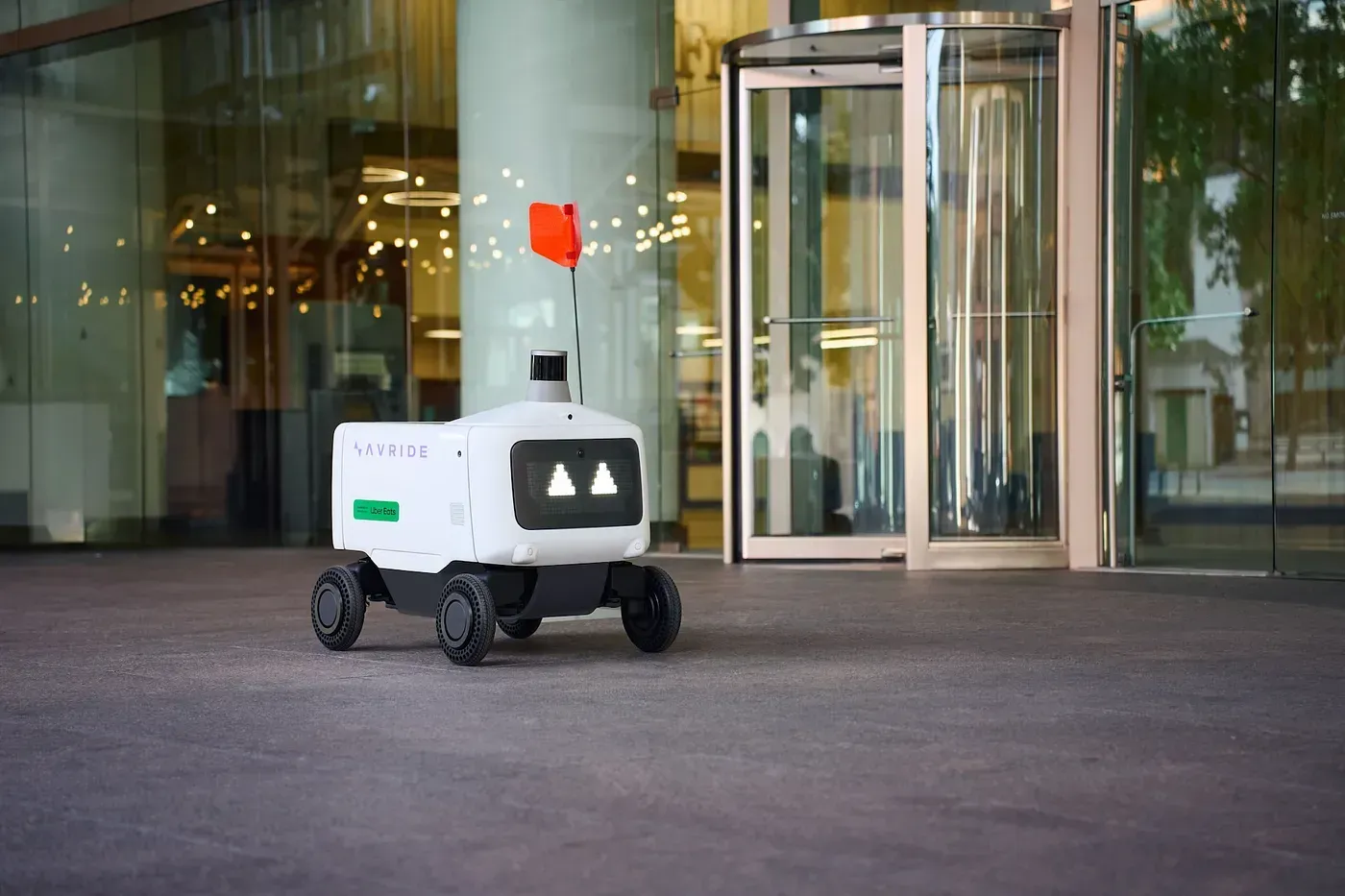
She blocked an Uber delivery robot to save jobs. Police arrested her.
Carolyn Marvin's disorderly conduct arrest turns a sidewalk standoff into a test case for how cities police the automation-versus-workforce debate.