
Sceye’s HAPS flies to Japan in August to test stratosphere 5G, 18 km up
A New Mexico startup will park a 200-foot solar “bullet” 18 kilometers above the ocean to supplement SoftBank’s network.
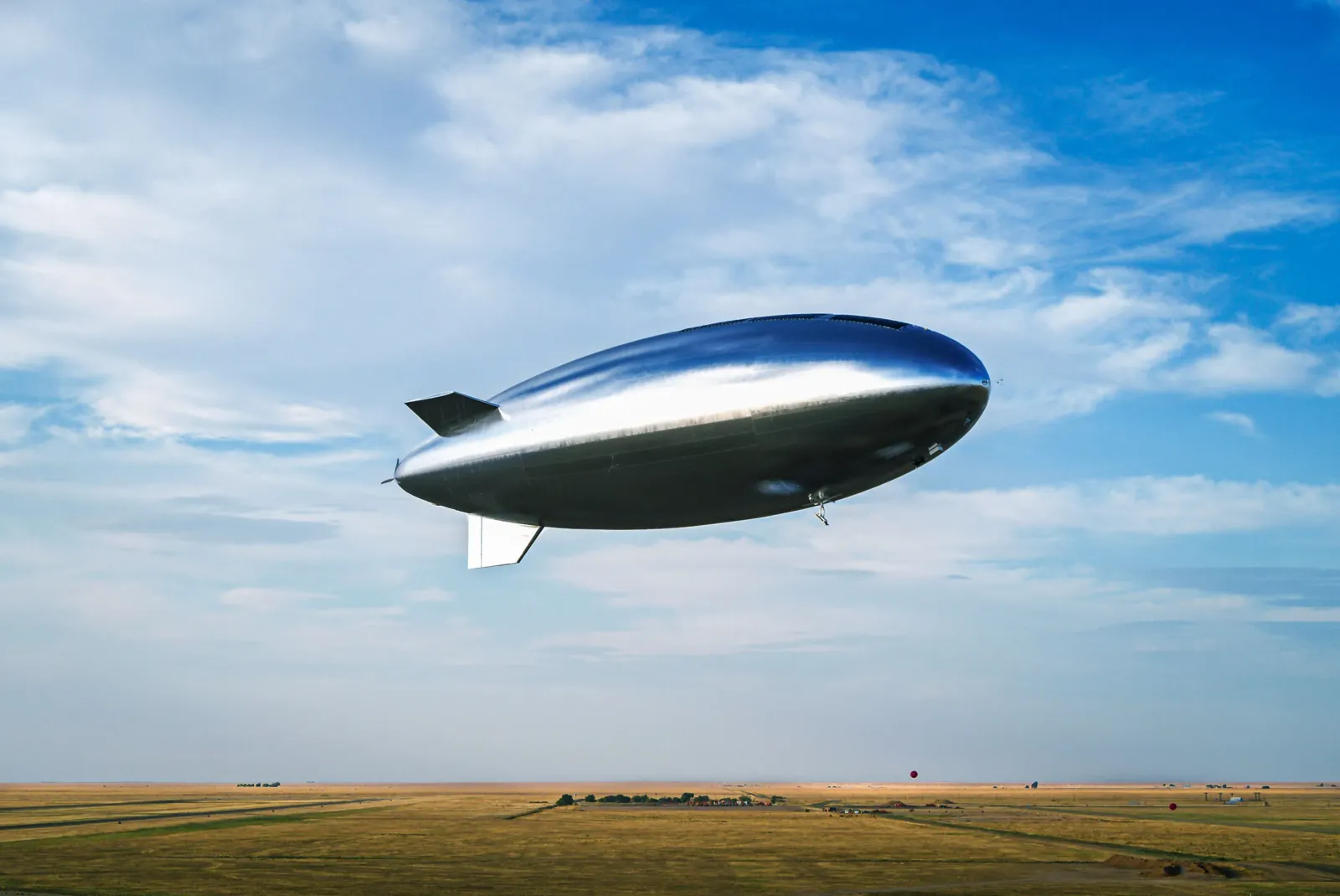
Mikkel Vestergaard Frandsen, CEO and founder of New Mexico-based Sceye, is preparing a Japan test where the roughly 200-foot-long craft will operate about 18 kilometers above the ocean and use a custom antenna to supplement SoftBank’s 5G network. If it works as intended, airborne solar platforms could become a “space-like” connectivity option for densely populated areas without launching satellites.
In August, Sceye, the New Mexico-based company behind a solar-powered stratospheric aircraft, will fly its roughly 200-foot-long platform from the southwestern United States across the Pacific to Japan. The plan is specific enough to matter operationally: the craft will park about 18 kilometers above the ocean’s surface in the stratosphere, then use a custom-built antenna to supplement SoftBank’s 5G network, including beaming data straight to devices.
That “18 kilometers up” detail is the whole game. The stratosphere is high enough to cover a large area, but much closer to the ground than even the lowest-orbiting satellites. That means sending down a signal takes far less energy than space-based delivery, at least in principle. In other words, this is an attempt to get “space-like conditions” for connectivity without space costs or orbit complexity. Sceye’s CEO and founder, Mikkel Vestergaard Frandsen, frames it as space without the space headaches.
Of course, getting up there is easy compared to staying there. HAPS, which stands for high-altitude platform stations or systems, are typically envisioned as planes or balloons, and in Sceye’s case, an oblong craft sheathed in lightweight, reflective fabric. The stratosphere is also windier than a casual reader might assume. Frandsen says the aircraft has to be light enough to remain aloft, while also strong enough to carry the systems needed for communication and power. It also needs to soak up and store enough solar energy during the day to provide around-the-clock power to an electric fan that can maneuver the HAPS back into place when winds knock it out of position.
Sceye is not walking into Japan cold. The company points to prior in-house progress: it says the aircraft met a “mettle” test in a 2024 test flight, and it has been preparing for the big Japan run since then. In a flight pictured from this spring, the craft stayed aloft for 12 days as it flew to the coast of Brazil and spent more than 88 hours “parked” in various locations. Those are the kinds of metrics that quietly de-risk the hardest operational question for HAPS: can it maintain stable presence long enough to matter for real connectivity tests?
The platform category itself is crowded, and that is where this gets strategically interesting for decision-makers. Sceye is one of several firms building HAPS systems. Airbus has an Aalto subsidiary working on similar concepts, and the broader industry narrative is consistent: use high-altitude, solar-powered aircraft to deliver internet service to disaster sites, observe Earth’s surface, and extend connectivity where terrestrial coverage is weak or disrupted. The bet is that hovering above specific regions can deliver a practical alternative to satellites for some use cases, especially when the coverage needs are temporary, location-specific, or too time-consuming to coordinate with launch schedules.
Regulatory and network coordination are part of the story even if today’s headline focuses on altitude. A test that supplements SoftBank’s 5G network implies the aircraft is not operating in isolation. It has to integrate with an existing cellular ecosystem and demonstrate that direct beaming to devices can function as intended within the operational framework of a major carrier. For boards and investors, the second-order question is not only whether the hardware can fly, but whether the overall system, including spectrum and network interoperability realities, can be executed in a real commercial environment rather than a lab.
There are also market implications for satellite operators. Sceye says it eventually expects its platform could help satellite operators better serve densely populated areas. That is a meaningful signal. Satellites are powerful, but they are not always the most energy-efficient way to deliver targeted coverage for people concentrated in specific geographies. If a HAPS platform can sit in the stratosphere and cover a large region with comparatively lower signal-delivery energy, it could become a complement to space assets, reshaping how service layers stack up over cities.
Zoom out and the strategic stakes sharpen. Frandsen’s endgame is that spotting a HAPS could become as common as seeing ships at port or trains on the tracks. Whether or not that specific analogy lands, the direction is clear: this is a bid to create a durable, repeatable “air-based infrastructure” layer. If Sceye’s August Japan test confirms the ability to maintain stratospheric presence and successfully supplement 5G with direct data beaming at around 18 kilometers altitude, it strengthens the case that HAPS are not just prototypes. They are connectivity infrastructure in waiting, and that matters to anyone who builds, funds, regulates, or relies on how data gets from sky to screen.
This story's Key Insights and Take-aways are locked.
Create a free account to unlock Executive Actions for one credit.
Register to UnlockAlways free for Executives Club members. Join the Club
More in Business

SpaceX sells $25B in debt under two weeks after IPO, despite $90B in orders
The satellite and rocket company’s quick $25 billion borrowing move signals how it plans to finance scale after going public.

Accenture’s $4.18bn play fails as AI fears spark a 20% worst-ever stock plunge
On Thursday, Accenture hit its biggest one-day drop on record after forecasting worries that AI could hollow out consulting.

SpaceX stock jumps 3% after it overtakes Amazon’s market cap
CNBC says SpaceX’s shares surge following its IPO Friday, forcing investors to reprice what “space” and “AI” are worth.