

Seattle’s Jimothy raccoon became a merch machine in days, not weeks
From short spine syndrome rumors to Etsy and Amazon cash-ins, this viral animal shows why weird beats polished online.
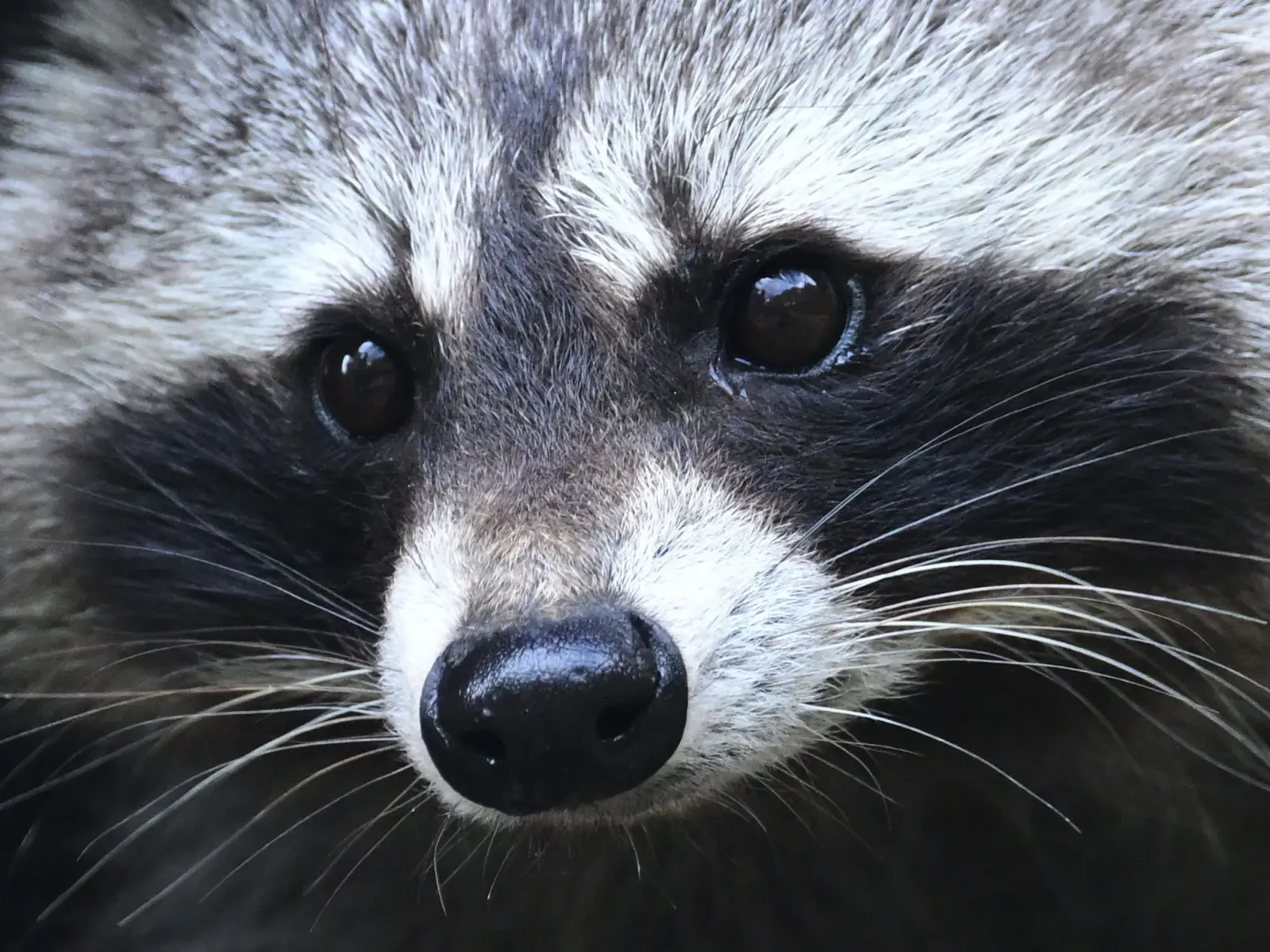
Jimothy the raccoon, spotted roaming the streets of Seattle, has reached peak social media virality, spawning memes and already turning into merch for sellers on Etsy and Amazon. For decision-makers, the rapid shift from clip to commerce is a live case study in what audiences reward when content feels less scripted.
Jimothy the raccoon is not just getting views. It has already become a merch opportunity, with sellers on Etsy and Amazon turning its likeness into T-shirts and trinkets while the internet debates what exactly it is looking at.
The timeline matters. The original reporting frames Jimothy as a new internet-famous animal celebrity in Seattle, tied to short viral videos, and then notes the cash-grab cycle is already underway. It even floats a brutal forecast for the attention cycle: in 72 hours, “we might all be sick of Jimothy.” Whether that exact window lands or not, the mechanism is clear from the description: a freaky, feral-looking clip appears, the audience spirals, and product listings follow quickly.
So what is the “101” here? The source describes a strange raccoon roaming the streets of Seattle that reached peak internet virality, with multiple clips circulating online. The article also emphasizes the creature’s look is hard to describe, which is doing a lot of work. Instead of relying on a neat backstory, Jimothy’s visual oddness drives the attention. And that matters more than it sounds, because today’s content ecosystem is full of “perfect-looking people” generated by AI. Against that backdrop, the internet chose something that looks weird “from the street.”
There is also a specific medical rumor making the rounds in the reporting. Veterinarians told local TV stations that the raccoon could have short spine syndrome, a disorder that some dogs also have. The article frames this as a possible explanation for why Jimothy looks the way it does, and then adds that despite this setback, it appears to have managed to reach maturity. It also mentions that other videos from Seattle show a raccoon that looks far smaller, but just as odd. In other words: even the uncertainty is part of the feed. The audience is not just watching one character. It is watching a situation it cannot fully decode.
For readers who run companies, invest, build brands, or lead platforms, this is where the signal hides. Internet virality behaves like a market with fast-moving incentives. When something takes off, it quickly generates derivative attention (memes) and then derivative monetization (merch). The source explicitly calls out that Jimothy memes have flooded social media and that Etsy and Amazon sellers are already cashing in. That is not subtle. It is the same pattern that showed up earlier with other animal celebrities mentioned in the article: Punch, the sad Japanese monkey clutching an Ikea plushie; and Moo Deng in 2024, the baby hippo with Barbie-pink blush.
This “animal star of the summer” cycle has a predictable second-order effect: the original subject rarely benefits in any meaningful, financial way. The article notes that Jimothy is unlikely to benefit from merch sales, and that it will not reap the creature comforts that come from being TikTok-famous. That is a key detail for anyone thinking about brand stewardship or creator economics in the social era. The monetization often routes through third parties, not the thing that actually got famous. The attention belongs to the public. The money often belongs to whoever can list faster.
The source also raises the bigger cultural contrast that executives should care about, because it is a direct implication for product and content strategy. It argues that at a time when AI can churn out endless content of poreless, perfect-looking people, the internet has chosen something “unscripted, AI-free authenticity,” with a “what am I looking at?!” viral moment. That is not just a vibe. It points to an audience preference for friction, imperfection, and unpredictability. Jimothy’s appeal seems to come from being unknowable, a little feral, and hard to package into a clean narrative.
And yes, the article frames this as a reminder to enjoy whimsical weirdness, but you can translate the lesson into boardroom terms without losing the plot. When attention is scarce, audiences reward distinctiveness and immediacy. When content looks too polished, it can trigger suspicion or fatigue. When content looks strange enough that people want to explain it to friends, it travels.
The strategic stakes for peers are straightforward: if your messaging, product visuals, or platform algorithm keeps pushing “perfect,” you might be tuning out the exact curiosity that drives rapid spread. Jimothy is just a raccoon, and the article ends with a playful salute. But the pattern is serious. A viral moment can produce merch listings, meme economies, and a full content flywheel before some brands even finish their first internal Slack thread about “what does this mean for our audience.”
This story's Key Insights and Take-aways are locked.
Create a free account to unlock Executive Actions for one credit.
Register to UnlockAlways free for Executives Club members. Join the Club
More in Business

Anthropic’s Levant Alpöge cracks the Jacobian conjecture after 87 years
A Harvard valedictorian used Claude to hit a 1939 breakthrough, but the missing “why” is the real problem.

Uber buys Delivery Hero for nearly $15B, vaulting to top food delivery outside China
The deal doubles Uber's dual-services footprint and pushes a ride-and-eats bundling play into 50 more markets.

Epic and Google drop settlement bid, forcing rival Android app stores by July 22
Google told the court it is ready to carry third-party app stores starting Wednesday, July 22.