
Selena Gomez Calls Wondermind Fraud Claims 'Absurd' in Dismissal Motion
The pop star's legal team, led by Britney Spears' former attorney, argues she had no role in the startup's fundraising or management as investors seek $1.2M back.

Selena Gomez's lawyers filed a motion to dismiss her from a Wondermind investor lawsuit, calling fraud claims against her 'absurd' and 'egregiously improper.' The move signals a high-stakes legal battle over the mental health startup's collapse, with investors alleging misrepresentation by Gomez's mother and co-CEO.
Selena Gomez is fighting back hard against fraud claims tied to the mental health startup Wondermind, with her lawyers filing a motion on Wednesday (Aug. 26) to dismiss her from a lawsuit brought by five investors who allege they were duped into pouring $1.2 million into the struggling company. The motion, obtained by Billboard, calls the claims "egregiously improper and legally deficient" and argues that Gomez "should never have been dragged into this action." Leading the defense is Mathew Rosengart, the attorney best known for freeing Britney Spears from her conservatorship, who wrote that "the notion that Ms. Gomez engaged in any form of 'fraud' is absurd." The filing directly challenges the core premise of the investor suit, which centers on allegations that Gomez's mother, Mandy Teefey, and former co-CEO Daniella Pierson misrepresented Wondermind's structure and finances to investors Brent Saunders, Marc Roberts, EJ Solimine, Andrew Resnick, and Mark Peikin.
The lawsuit, filed two weeks ago, alleges that Teefey and Pierson falsely claimed Gomez would be heavily involved as Wondermind's head of marketing, when in reality the star worked to "actively distance" herself from the company. Gomez's lawyers argue that this very allegation proves she should not be a defendant: since Gomez had no role in Wondermind's fundraising or management, she "could not possibly have engaged in any 'fraud.'" The investors' attorneys tried to plead around this by suggesting that Gomez had access to Wondermind's financial numbers, implying she must have known that investors were being lied to. But the motion dismisses that logic as faulty, noting that "the mere fact that Ms. Gomez - who is literally one of the world's busiest women - might have had the ability to request information by virtue of being a co-founder/consultant is not enough." The filing emphasizes that there is not a single allegation that Gomez ever commented on Wondermind's operational state or financial condition, nor any claim that she was privy to communications between the other defendants and plaintiffs.
Rosengart, in a statement to Billboard, doubled down on the dismissal bid, saying the motion demonstrates that "the claims against her are completely meritless, if not frivolous." He added that his team is "exploring other avenues of relief for Ms. Gomez, including sanctions against Plaintiffs for improperly including her." The investors' attorneys did not immediately respond to requests for comment, leaving the door open for a contentious legal fight. The case is a stark reminder that celebrity-backed startups can become lightning rods for investor disputes, especially when the brand name is used to raise capital but the actual operations fall short of expectations.
Wondermind launched in 2021 with ambitious plans for a suite of mental health media initiatives, including a digital magazine, a mobile app, and a podcast. The company was thrust into the spotlight last year when The Cut published a bombshell article reporting that its finances were in dire condition, due in part to Teefey's alleged substance abuse issues and erratic behavior. Teefey denied those allegations, telling the magazine, "I started Wondermind because I wanted to help people with mental illness. It's unfortunate that a few disgruntled employees with an ax to grind can spread lies about me and distort the truth. Even more disappointing that the media is willing to amplify their lies." The company's struggles highlight the broader volatility in the mental health tech space, where high-profile founders and celebrity endorsements often collide with the harsh realities of monetization and governance.
For executives and boards, this case offers a cautionary tale about the risks of co-founder arrangements that blur lines between brand ambassador and operational leader. Gomez's position as a co-founder and consultant, but not a manager, created an ambiguous legal footprint that investors are now trying to exploit. The motion's argument that mere access to information does not equal knowledge of fraud is a standard defense, but it also underscores how important it is for startups to clearly define roles and responsibilities in writing. When a celebrity's name is used to attract investment, the expectation of involvement can become a liability if the actual engagement is minimal.
The strategic stakes extend beyond Gomez herself. If the court allows the fraud claims to proceed against her, it could set a precedent that makes it easier for investors to drag celebrity backers into disputes, even when they had no operational control. Conversely, a dismissal could reinforce the legal shield that protects passive investors and consultants from liability. Rosengart's threat of sanctions signals that Gomez's team is prepared to fight aggressively, which may deter future plaintiffs from naming high-profile figures without concrete evidence of wrongdoing. For now, the motion to dismiss is the first major test of whether the investors' allegations can survive legal scrutiny, and the outcome will be closely watched by anyone who has ever lent their name to a startup.
For founders and boards, the lesson is to document every decision, communication, and role boundary from day one. The Wondermind saga shows how quickly a promising venture can unravel when financial mismanagement and personal issues collide with investor expectations. The $1.2 million at stake is relatively small in the grand scheme of celebrity lawsuits, but the reputational damage and legal fees can be enormous. As the case unfolds, it will serve as a real-world case study in how to structure celebrity involvement in startups, and what happens when the lines between personal brand and corporate governance are left blurry.
This story's Key Insights and Take-aways are locked.
Create a free account to unlock Executive Actions for one credit.
Register to UnlockAlways free for Executives Club members. Join the Club
More in Business
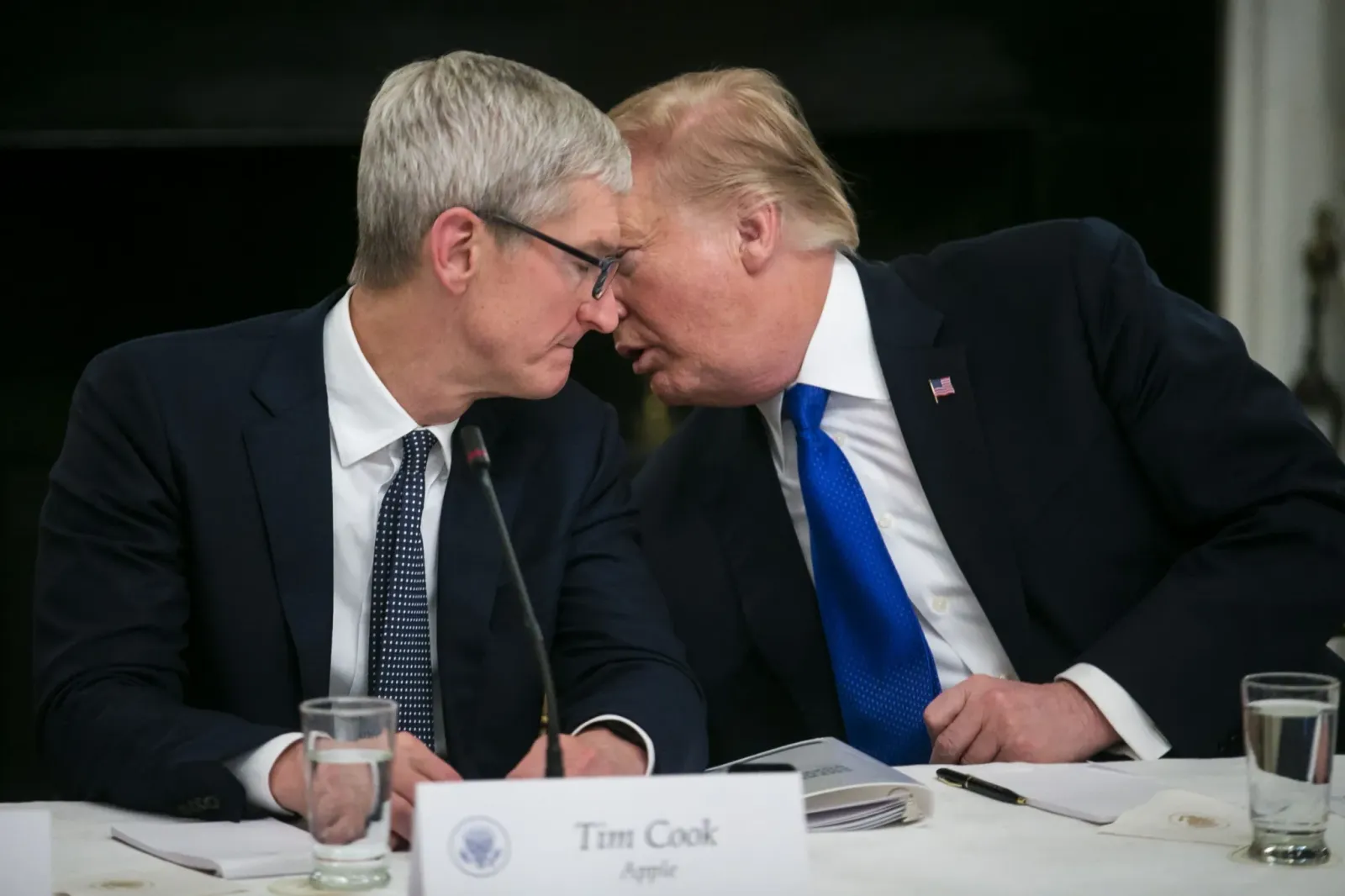
Tim Cook steps down as Apple CEO, stays on as chair with $45M equity
The 'Trump whisperer' keeps his White House and Beijing access as Apple navigates tariffs and a $4.6 trillion market cap.

Snowflake shares surge as AI data demand crushes estimates, lifting full-year forecast
Stocks jumped on stronger-than-expected guidance, signaling enterprise AI workloads are accelerating faster than Wall Street priced in.
Tim Cook's 15-year Apple CEO run ends: 3 lessons for any successor
After 15 years, Tim Cook hands Apple to John Ternus - here's how he turned a $350B company into a $4.6T juggernaut.