

Serena Williams' Wimbledon singles return struggles: first-round loss sets the real next test
After losing on her singles return at Wimbledon, the question shifts from
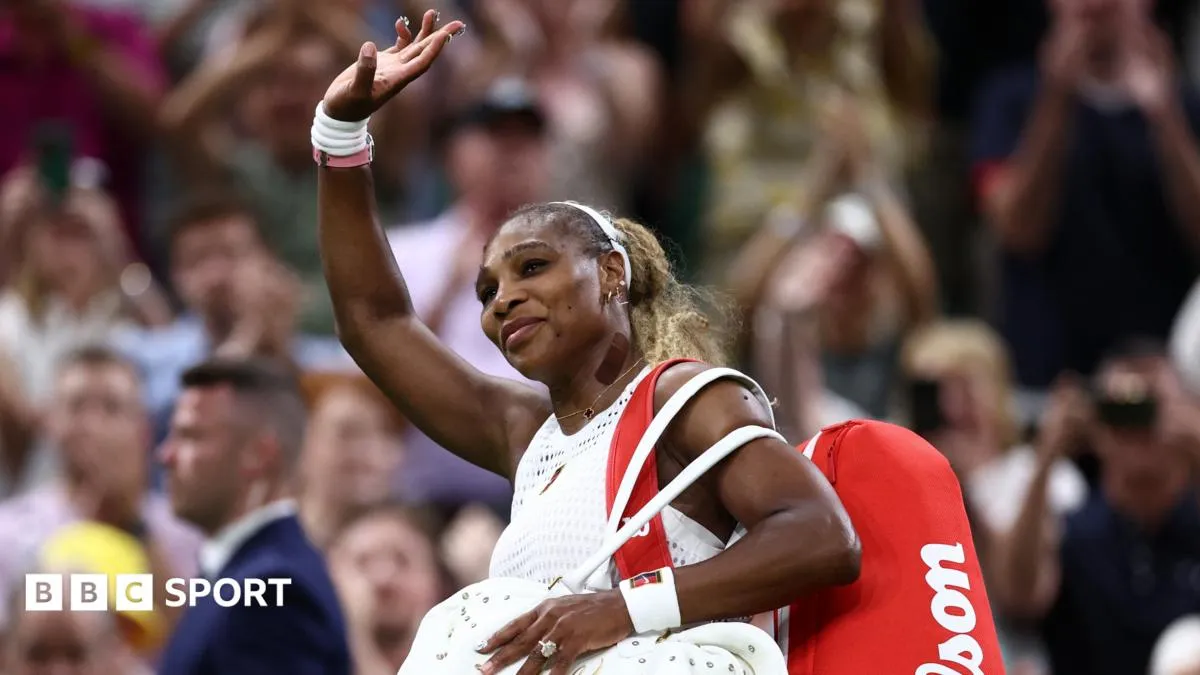
Serena Williams lost on her singles return to Wimbledon. For decision-makers watching elite sports brands and media narratives, it reframes what “comeback” success will require next.
Serena Williams lost on her singles return to Wimbledon, and the match told a very specific story: even at the All England Club, movement and timing matter more than reputation. Her return was built around power, and the serves were quick enough to remind everyone why she has always been terrifying in big moments. But once the rally started, the question became whether she could cover the court the way she used to, especially when points demanded sudden direction changes and fast recovery steps.
The headline question is not whether Williams belongs on the grass at Wimbledon. She does. It is what that first singles appearance says about what comes next, because Wimbledon is not a stage where you can simply show up and rely on legacy. The tournament rewards repeated, high-quality movements under pressure. When movement becomes a struggle, even a great serve does not remove the need to chase the next ball, set the next position, and manage the next split-second decision.
For executives, this is a useful reminder that “brand momentum” is not the same thing as operational performance. Williams is a global sports icon, and her return draws attention the way few athletes can. But in tennis, attention does not win points. The match outcome matters because it changes expectations for her near-term trajectory. It also influences how media narratives will frame her next steps: not as an automatic march back to dominance, but as a process that has to overcome concrete physical and tactical constraints revealed immediately on court.
There is also a business angle to why this matters. Elite athletes returning from time away face an ecosystem built to monetize their presence. Broadcasters, sponsors, and venues all benefit when stars are visible. Yet they also take risk when “visibility” outruns “results.” A first-round singles loss can still generate headlines, but it tends to shift the kind of coverage from hype to analysis. That affects the packaging of future appearances, the tone of promotional copy, and whether audiences tune in for certainty or for a story that becomes more incremental.
Wimbledon, specifically, is a regulator of sorts even when it does not act like one. The grass court, the ball’s bounce, the timing of rallies, and the tournament’s structure create a unique performance environment. Tennis players cannot simply transpose hard-court or indoor routines and expect the same outcomes. In this context, Williams’ return is not just a personal event. It is a real-world test of how quickly elite-level adaptation can happen when the conditions demand instant footwork precision.
There is another second-order implication here for boards and operators across sports and entertainment: comebacks are often sold as linear arcs, but performance is more like a feedback loop. Williams’ singles loss makes one thing clear: the feedback from Wimbledon was immediate. The next phase is not about whether she can serve well, because she already can. The next phase is about whether she can sustain movement quality across points, keep the body coordinated under fatigue, and still execute when opponents exploit any gap in positioning.
So what can we expect next from the tennis legend? The honest answer is that the next expectation will be narrower and more demanding. It will likely focus on what she can do when rallies lengthen and when movement has to hold up point after point. Because Wimbledon singles is the ultimate stress test for timing, balance, and recovery. If movement remains the limiting factor, then outcomes will likely reflect that sooner rather than later.
For peers in sports, media, and athlete brand management, the stakes are simple. Big names can pull attention into the room. But long-term value comes from translating attention into credible performance. Williams’ Wimbledon return, ending in a singles loss, turns the comeback narrative from pure anticipation into measured proof. That is not a collapse of her story. It is the start of the part that matters: demonstrating, match by match, what her next level looks like when Wimbledon forces every movement to count.
This story's Key Insights and Take-aways are locked.
Create a free account to unlock Executive Actions for one credit.
Register to UnlockAlways free for Executives Club members. Join the Club
More in Entertainment

Russell Brand's accuser 'bewildered and confused' as he denies 7 sex charges
The criminal case against the comedian is a live test of how media companies manage talent risk when serious allegations go public.

'It's a Magic Trick': Ballet Experts Say Rosalía's SNL Pose Is Impossible
Three ballet experts tell Rolling Stone Rosalía's gravity-defying SNL stillness shouldn't be possible - and why the debate is now part of the show.

Activision CMO: GTA 6 Will Boost Call of Duty, Not Bury It
Activision's top marketer says Rockstar's blockbuster will drive players back to consoles and into Modern Warfare 4, even as the company admits its recent strategy failed.