

Serj Tankian tells Netanyahu “Fuck you” over Armenian genocide recognition for “political advantage”
The System Of A Down frontman brands Israel’s World War I genocide recognition as opportunism, as Armenia weighs in.
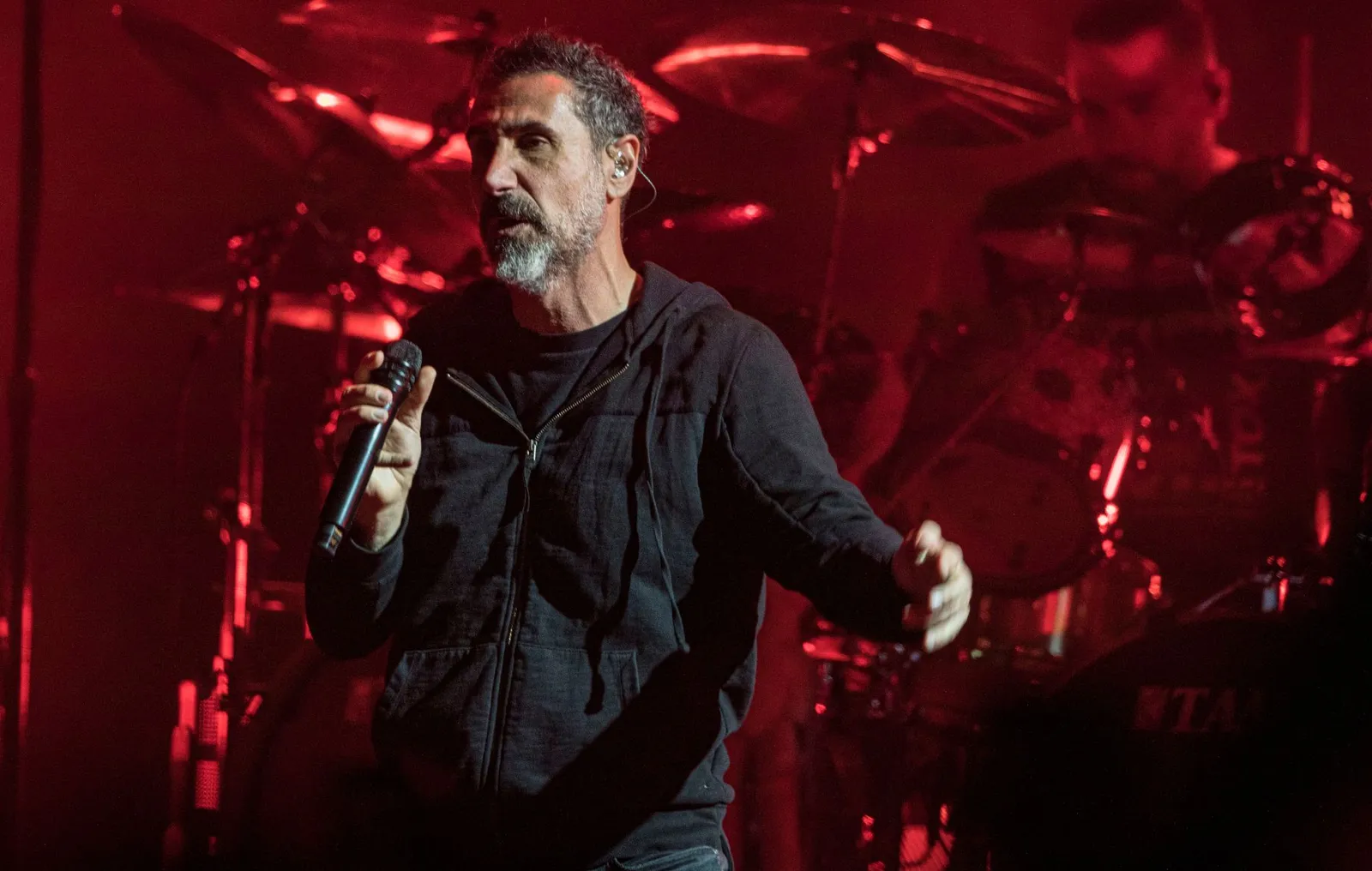
System Of A Down frontman Serj Tankian publicly condemned Israeli Prime Minister Benjamin Netanyahu’s decision to recognize the 1915 Armenian killings as a genocide. For decision-makers tracking political risk, culture, and alliance dynamics, it sharpens the backlash cycle around recognition politics and Gaza-era tensions.
Serj Tankian, the frontman of System Of A Down, responded to Israeli Prime Minister Benjamin Netanyahu’s recognition of the 1915 Armenian genocide with a blunt Instagram line: “Fuck you,” accusing the Netanyahu cabinet of “using” Armenian history, genocide, and “pain to their political advantage.” Tankian also tied the moment to Gaza and Lebanon, saying the “worst fucking thing” was that a government “already committing genocide in Gaza and Lebanon” chose to recognize his grandparents’ genocide.
This is not just celebrity drama. Tankian’s claim lands in the middle of a live geopolitical balancing act: Israel has reportedly long resisted genocide recognition due to its relationship with Turkey, and now, amid weakening relations with Turkey over the humanitarian crisis in Gaza, Netanyahu moved to recognize the World War I killings as a genocide. Netanyahu said his country had “fulfilled a moral duty by recognising the historical truth, and rejecting attempts to deny” it, a framing that immediately met hostility in Armenia.
To understand why Tankian’s “Fuck you” matters, you have to zoom out to how genocide recognition becomes political infrastructure. The source notes Tankian is of Armenian descent, and all four of his grandparents were survivors of the 1915 genocide during World War I. The killings led to the deaths of between 664,000 and 1.2 million Armenians, according to the United States Holocaust Memorial Museum. For years, System Of A Down has highlighted the mass killings of Armenians under the Ottoman Empire between 1915 and 1916, and Tankian’s activism includes acknowledging former President Joe Biden for officially recognizing the genocide in 2021, a move that other American leaders often avoided out of concerns about straining ties with Turkey.
Israel’s recognition decision, per the source, has a clear regional logic. It cites EuroNews in saying Israel has long resisted calls to recognize the killings as genocide because of relations to Turkey. The source then ties the shift to “weakening relations with Turkey over the humanitarian crisis in Gaza.” In other words, Netanyahu’s decision did not arrive in a vacuum. It arrives during a period where Turkey and Israel have friction, and where every foreign policy step reverberates through diaspora politics, activist networks, and media narratives.
Armenia’s leadership responded by trying to separate principle from what it sees as maneuvering. Prime Minister Nikol Pashinyan distanced himself from Netanyahu’s comments, telling reporters, via The Times Of Israel, that “We believe that not entering into the issue of the weaponization of the Armenian Genocide is in the interests of the Republic of Armenia. Therefore, we do not see any need for a response.” The key phrase is “political weaponisation,” which echoes Tankian’s accusation. Tankian’s critique is similarly about intent and timing, not the historical claim itself.
Tankian doubled down on method and leverage. According to the source, he alleged on Instagram stories that “For many years, Israel’s government used AIPAC [American Israel Public Affairs Committee] to lobby the US Congress to not recognise the Armenian genocide, to prevent Congress from recognising the Armenian genocide, due to their relationship with Turkey, their intelligence sharing with Turkey, et cetera.” Then he connected the recognition to current conflict, arguing the Netanyahu government decided to recognize the Armenian genocide of 1915 while committing atrocities in Gaza and Lebanon. He also referenced a moral domino effect, saying “The fact that this government is already committing genocide in Gaza and Lebanon decided to recognise the genocide of my grandparents is the worst fucking thing that they could have done to Armenians,” and concluded with “Fuck you.”
For executives, the second-order implication is how fast recognition debates turn into reputational contagion. This story sits at the crossroads of historical acknowledgment, current war narratives, lobbying ecosystems, and public identity. It also shows how cultural figures can amplify political risk in real time, using the same channels boards increasingly monitor: social platforms, mainstream coverage, and event cycles. The source also notes Tankian earlier condemned Israel’s actions in Gaza and weighed in on boycotts of companies with ties to Israel, and he made an additional point in an NME interview: “It’s important for the youth to raise their voice, because we are not living in a just world,” while arguing that activists’ intentions are “pure” even if “pure activism is taken hostage” by “certain fringe elements,” including in the US.
And then there is the business side of the beat. System Of A Down are actively touring, including their 2026 UK and European stadium run with support from Queens Of The Stone Age. Their tour kicked off in Sweden on Monday (June 29), with more dates in France, Italy, and Germany later this month, plus two nights at Tottenham Hotspur stadium in London. Ahead of the Sweden show, the band confirmed pop-up shops with exclusive merch, while Tankian said he and the band are having “the best time of [their] lives.” Recognition and backlash might not pause a stadium calendar, but it can reshape media attention, protest pressure, sponsor sentiment, and audience conversations around a tour.
So what should leaders take from this? When governments recognize or deny historical atrocities, the decision is rarely treated as a closed policy file. It becomes a narrative contest about motives, leverage, and alignment. Tankian’s accusation of “political advantage,” Armenia’s focus on “weaponization,” and the Gaza-linked timing all point to a future where culture and geopolitics keep colliding in public. If you run a company, manage partnerships, or sit on a board, you should assume that today’s recognition headline will be tomorrow’s brand risk, lobby scrutiny, and stakeholder pressure point, especially when conflict is already dominating the information environment.
This story's Key Insights and Take-aways are locked.
Create a free account to unlock Executive Actions for one credit.
Register to UnlockAlways free for Executives Club members. Join the Club
More in Politics

Glacial collapse, not rain, killed 180 in Nepal's Himalayan flood
The Himalaya's extreme geography hid the true cause of Nepal's catastrophic flood, a glacial collapse that turned a geological battleground into a mass-casualty zone.

Iran’s Esmail Baghaei says Oman talks start shipping via Hormuz, not US talks yet
Temporary route plans with Oman aim to restart commerce while Tehran says Washington dialogue is not on the table.

Standards watchdog opens probe into Reform UK deputy leader Richard Tice over interests
The parliamentary standards commissioner says it began an investigation on 28 July into a possible undeclared interest.