
Seth Green’s Star Wars: Detours resurfaces as a Lucas Museum exhibit
A long-shelved 39-episode animated series finally hits the public, not as release, but as theater programming.
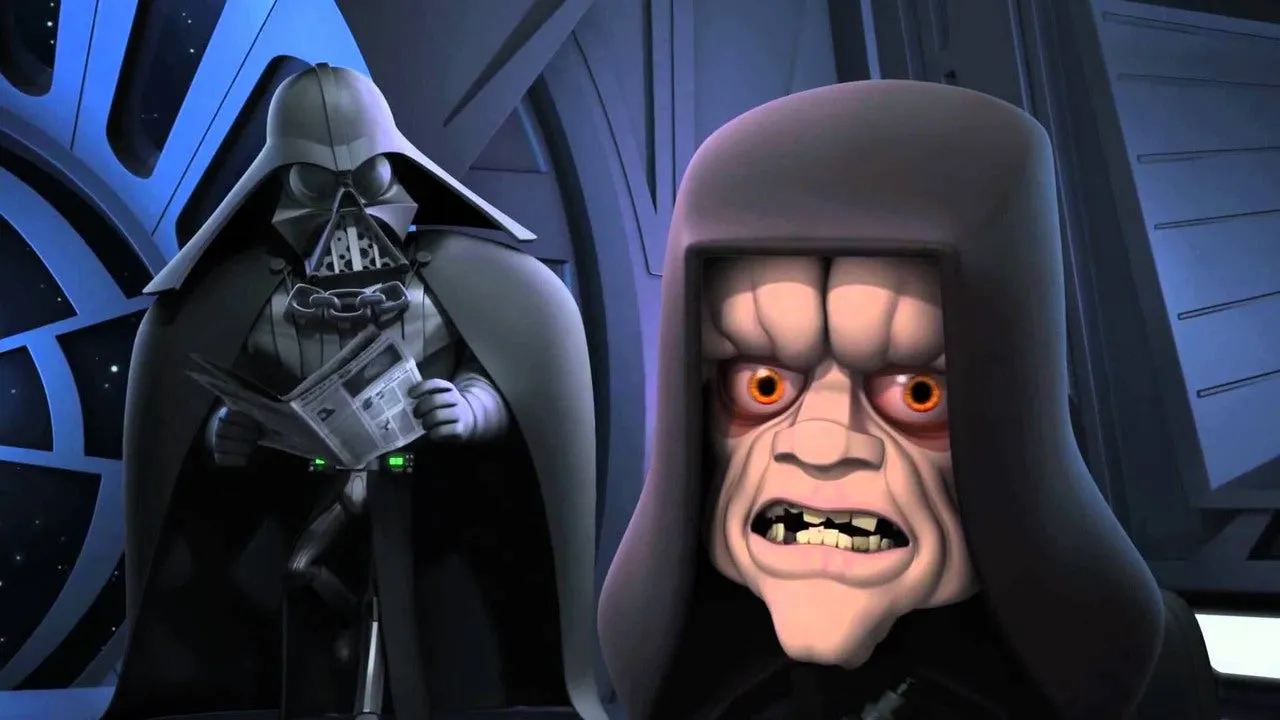
Seth Green announced at San Diego Comic-Con 2026 that Star Wars: Detours will be shown as a curated exhibit at the Lucas Museum of Narrative Art. For decision-makers, it is a rare case of an IP project un-frozen into a public-facing format, with licensing and institutional timing taking center stage.
Seth Green just turned a years-long “where did it go?” mystery into something you can actually schedule: Star Wars: Detours will finally be exhibited to the public at the soon-to-open Lucas Museum of Narrative Art in Los Angeles. Green revealed the update during a panel discussion on the museum at San Diego Comic-Con 2026, and the plan is specific. A curation of episodes from the series will be on display for museum visitors in the theater, which matters because it shifts Detours from archive purgatory into a live audience experience.
This is not a simple “coming soon” release, it is a museum programming move. Green explained the origin and intent of the project directly during that panel, describing it as an animated series made with George Lucas, with Lucas wanting “Simpsons in the Star Wars universe.” And he connected it to how the museum will surface the work, saying there is “going to be a curation of episodes from that show on display for the public in the theater.” That is the payoff to the headline question. Detours is no longer missing in action. It is now scheduled to meet eyes, not just internal files.
To understand why this is interesting, you have to rewind to the series’ long pause. Star Wars: Detours was officially announced at Star Wars Celebration in 2012, and the project was discussed publicly as early as 2010. There were clips shown when it was revealed in 2012, so at least part of the world saw momentum. But then the Disney acquisition of Lucasfilm changed the trajectory, and the project was shelved in the aftermath and has been missing in action since. In other words, Detours became a casualty of big-company integration timelines, not because the story had failed creatively on-screen.
The other reason executives and IP operators should care is that the “shelved” label was never the same as “unfinished.” Green previously discussed the status of Star Wars: Detours with IGN in late 2013 at New York Comic-Con, confirming that the crew had 39 episodes completed before the show was frozen. So when a project later resurfaces, boards and investors often need to ask a blunt question: is it truly gone, or just waiting for the right distribution container? In Detours’ case, we now know the answer leans toward “waiting,” because completed episodes can be repackaged into curated screenings.
Timing is also doing real work here. The Lucas Museum of Narrative Art is set to open on September 22, and the exhibit plan is built around that opening window. The museum will use two theaters, the Robert Flaherty Theater and the Slavko Vorkapich Theater, to showcase curated film selections throughout the day so patrons can “drop in and drop out” during their visit. For decision-makers, that format is a useful blueprint: it is a way to monetize public interest and cultural capital without requiring a full commercial release cycle. It also reduces operational risk compared to a traditional distribution rollout, because the museum can treat the content as programming rather than committing to a single, continuous viewing schedule.
Now zoom out to the incentives and governance layer. Disney’s acquisition of Lucasfilm in 2012 is the documented inflection point when Detours got frozen. When large studios acquire properties, they often consolidate creative roadmaps, and shelved projects can sit until someone with authority decides they fit a new portfolio strategy. A museum exhibit is a different category of “fit” than a broadcast or streaming calendar, because it reframes the content as narrative history and cultural artifact. Green’s comment that Lucas wanted “Simpsons in the Star Wars universe” also hints at the original creative ambition: not just Star Wars as spectacle, but Star Wars as recurring comedy in a familiar animated sitcom cadence. That kind of concept can be politically and commercially sensitive during corporate transitions, especially when brand guidelines tighten.
For peers in similar roles, Detours offers a second-order lesson: when a project has enough completed work, the path back to public view does not always require reopening the original release plan. It can instead be recontextualized. A board facing an IP portfolio with “frozen” items can look at Detours and see an existence proof that curation in a narrative-focused institution can reintroduce work to audiences. It is not a substitute for a full launch, but it is a way to let completed creative investment keep earning attention.
The strategic stake is simple: in entertainment, time is a silent budget. Detours sat for years, but it is now positioned to be seen in Los Angeles as part of the Lucas Museum opening on September 22. If you build or govern IP, the Detours story is a reminder that “shelved” is not always final. Sometimes it is just waiting for a venue, a framing, and a moment when public appetite for the mythology of creation is high enough to make the archive feel like news.
This story's Key Insights and Take-aways are locked.
Create a free account to unlock Executive Actions for one credit.
Register to UnlockAlways free for Executives Club members. Join the Club
More in Entertainment

'It's a Magic Trick': Ballet Experts Say Rosalía's SNL Pose Is Impossible
Three ballet experts tell Rolling Stone Rosalía's gravity-defying SNL stillness shouldn't be possible - and why the debate is now part of the show.

Activision CMO: GTA 6 Will Boost Call of Duty, Not Bury It
Activision's top marketer says Rockstar's blockbuster will drive players back to consoles and into Modern Warfare 4, even as the company admits its recent strategy failed.
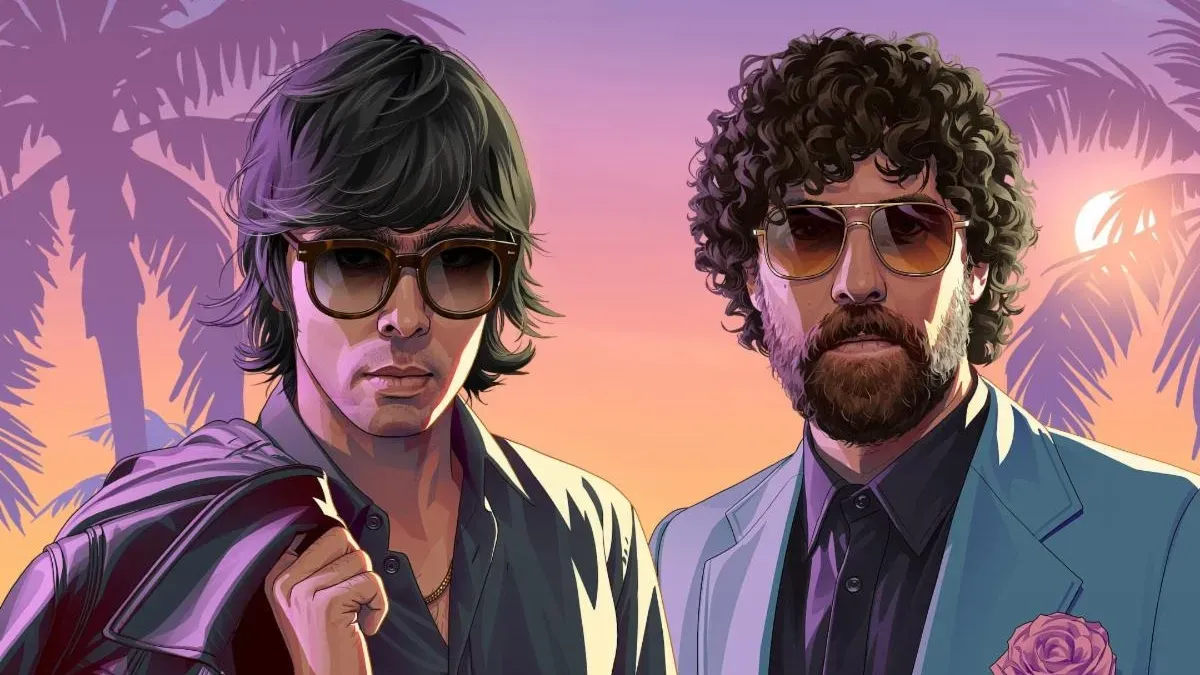
Justice to Score GTA 6, Share New Song with Tame Impala, SZA, King Gizzard
Rockstar taps the French duo for the GTA VI score, and the first taste is a genre-melting collab with Tame Impala, SZA, and King Gizzard & The Lizard Wizard.