

Seth MacFarlane calls the Emmys “checking boxes while they're shaving”
Why the “Ted” creator thinks the awards show is out of sync with what people actually watch.
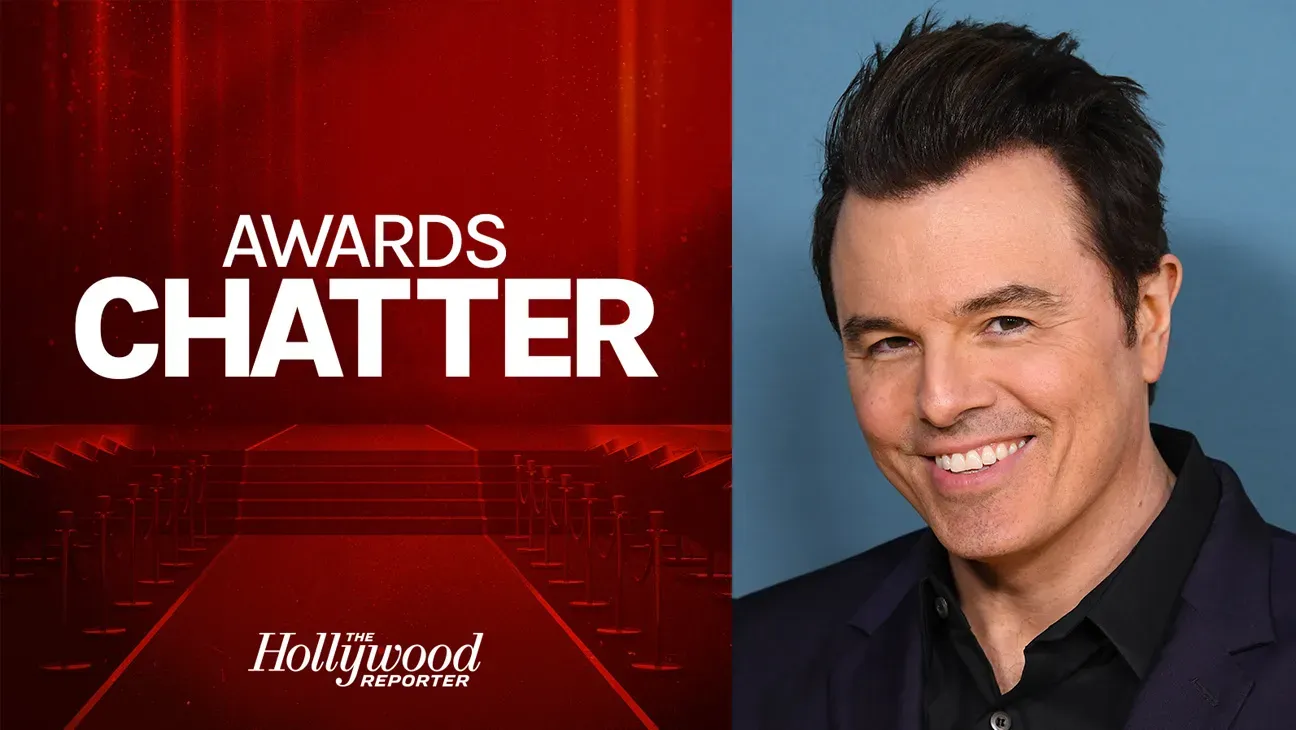
Seth MacFarlane, appearing at the Newport Beach TV Fest, criticized the Emmys as a system that feels like box-checking, not audience attention. For decision-makers, his remarks highlight a credibility gap between awards incentives and real viewer behavior.
Seth MacFarlane did not exactly come to the Newport Beach TV Fest to give the Emmys a gentle, industry-friendly pat on the back. In front of an audience, the prolific multi-hyphenate said, “There's a lot of things that are weird about the Emmys that make me think, 'Is anybody watching anything, or is this people just checking boxes while they're f***ing shaving?'”
That line matters because it is not vague dunking. It is a direct attack on the premise that awards, at least as they are currently run and perceived, are measuring something close to what viewers are actually watching. If people feel the show is optimizing for eligibility and brand signaling rather than viewer reality, then the awards function less like a mirror and more like a machine that prints prestige for those already on the inside.
To understand why this lands, zoom out to how the awards season engine typically works. Campaigns are elaborate. Studios and streamers run calendars, position episodes, and build momentum around eligibility windows. Publicists chase nominations the way sales teams chase pipeline. In theory, the system rewards creative quality. In practice, it also rewards competence at navigating the process. That creates a split between the outcome awards audiences see and the effort studios can control. When MacFarlane says the Emmys make him wonder whether “anybody” is watching, he is flagging that gap: the incentives driving the show may not line up neatly with the incentives driving viewership.
MacFarlane is not just a random entertainment personality either. His career sits at the intersection of mainstream comedy and the mechanics of television success. He is also a creator whose work has repeatedly crossed between formats and audiences, so he has a clear stake in whether the industry’s gatekeepers reflect actual cultural attention. That is why his framing is so sharp. He is not only criticizing taste. He is questioning measurement. If the Emmys are perceived as less of a read on audiences and more of a process check for insiders, then both artists and executives have to wonder what recognition is truly worth.
This is where the “second-order” implications start to get interesting for executives and boards. Awards credibility is not just a vanity metric. Recognition often influences deals, staffing decisions, renewals, and the narrative executives tell themselves during strategy reviews. When the broader industry begins to treat awards as performance rather than signal, internal decision-making can drift. People stop asking, “What did viewers respond to?” and start asking, “What gets us into the right category, at the right time, with the right campaign?” The more that happens, the more the industry risks reinforcing itself into a bubble.
There is also a broader reputational risk for media companies. Many companies, especially those operating across streaming and cable, are already under pressure to prove they can reach real audiences at scale. Viewers have more choice than ever, and algorithms can feel more direct than committee taste. In that environment, awards shows are competing not just for attention, but for legitimacy. MacFarlane’s comment is a reminder that legitimacy is fragile. Even when awards remain influential, cynicism about whether anyone is watching can weaken the halo effect that nominations and wins are supposed to deliver.
It is worth noting that this kind of criticism comes from the audience-facing side of entertainment, not the industry side. The Newport Beach TV Fest setting matters because it is not a backstage studio panel where everyone is nodding politely. MacFarlane spoke in front of an audience, and the quote itself uses a blunt, earthy metaphor about process and appearance. When creators talk like that, executives should pay attention because creators are often the earliest barometers of how the broader culture perceives institutional systems.
Finally, there is the competitive and scheduling angle to consider. MacFarlane is a creator whose name is tied to major TV brands, and he is associated with the rhythm of comedy that audiences regularly return to. When he calls the Emmys “weird” and suggests people are “checking boxes,” it implies a disconnect between what the industry rewards and what viewers reward. For decision-makers, the strategic stake is simple: if awards no longer function as a reliable signal of audience connection, then companies need to rely harder on other measures. Those can include retention, engagement, and third-party viewing data, rather than nominations as a proxy.
In other words, this is not just commentary about a night of television. It is a stress test of the prestige pipeline. If creators believe the system is disconnected from actual watching, that perception can ripple into how talent prioritizes projects, how companies plan campaigns, and how boards evaluate whether cultural visibility is real or merely engineered. In Hollywood, credibility is an asset. MacFarlane just poked at the part of the asset that is hardest to measure, and easiest to lose.
This story's Key Insights and Take-aways are locked.
Create a free account to unlock Executive Actions for one credit.
Register to UnlockAlways free for Executives Club members. Join the Club
More in Entertainment

Russell Brand's accuser 'bewildered and confused' as he denies 7 sex charges
The criminal case against the comedian is a live test of how media companies manage talent risk when serious allegations go public.

'It's a Magic Trick': Ballet Experts Say Rosalía's SNL Pose Is Impossible
Three ballet experts tell Rolling Stone Rosalía's gravity-defying SNL stillness shouldn't be possible - and why the debate is now part of the show.

Activision CMO: GTA 6 Will Boost Call of Duty, Not Bury It
Activision's top marketer says Rockstar's blockbuster will drive players back to consoles and into Modern Warfare 4, even as the company admits its recent strategy failed.