

Shanghai and major Chinese cities see commercial property deal rush as prices stabilize
Investors are buying office, hotel, and mall space again, betting China’s prolonged real estate slump is finally easing.
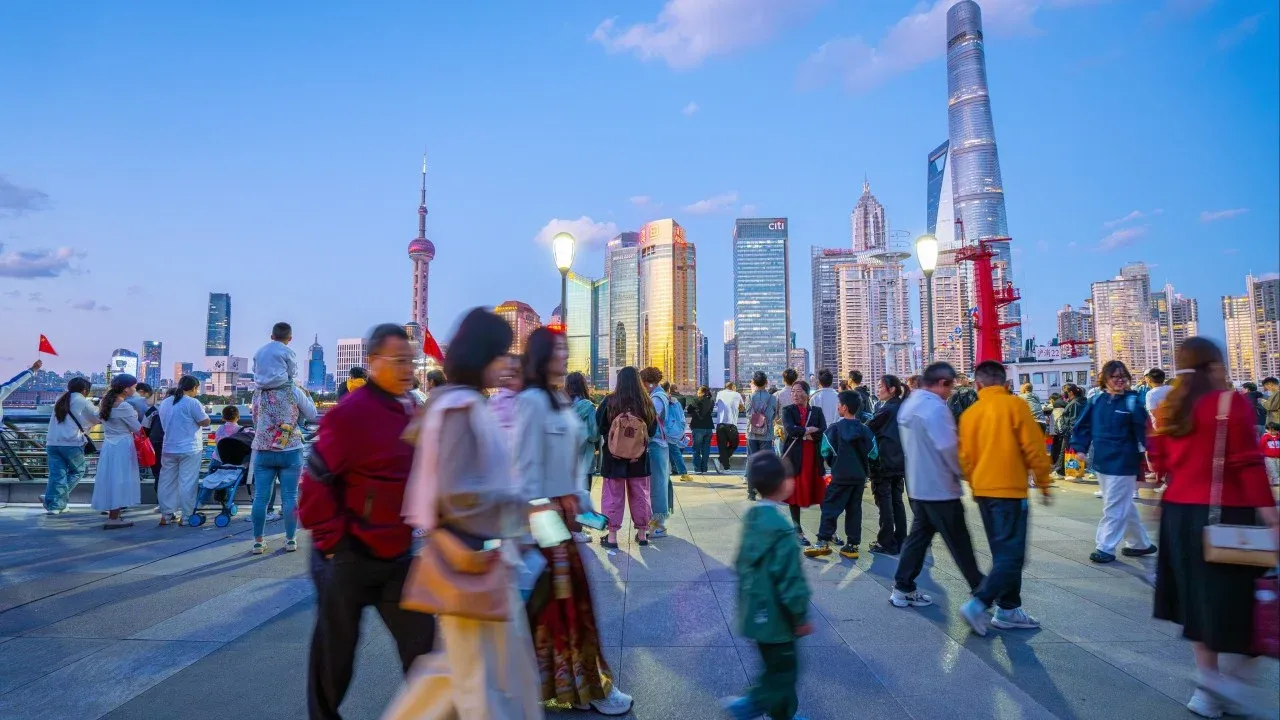
Major Chinese cities including Shanghai are seeing a notable uptick in commercial property transactions as investors snap up prime locations. For executives and boards, the shift signals bargain-seeking capital could reshape how occupancy, valuations, and tenant demand evolve in 2024-2025.
A flurry of commercial property deals is picking up across China, and Shanghai is right in the middle of it. Investors are moving quickly to snap up space in prime locations, according to analysts, with the expectation that the commercial market may finally be on the road to recovery. The key detail is not just that deals are happening. It is that investors are willing to be early, after several years where office buildings, hotels, and shopping malls saw their values slump amid a prolonged real estate crisis.
Put simply: the market has spent years feeling like a falling knife, and now some cities are beginning to stabilize on prices, pulling buyers out of the sidelines. That price stabilization is what is driving the bargain hunt. When analysts say investors are sniffing out deals, it is not a vibe. It is the mechanical response to a market where the “downward pressure” phase appears to be easing in at least some locations.
To understand why this matters for commercial real estate portfolios, you have to remember what investors are typically buying in these transactions. Office towers are sensitive to corporate hiring and leasing sentiment. Hotels track travel demand and consumer spending patterns, which can be cyclical and uneven across cities. Shopping malls depend on foot traffic and retail tenant health, which often take longer to recover than headline GDP numbers. When the value of all three categories slumped across China, it suggested a broad repricing, not a niche issue. So an uptick in deals after stabilization can be a sign that capital is starting to believe the fundamentals are turning, or at least that the downside has narrowed enough to underwrite new positions.
This is where the incentives get interesting for decision-makers. Investors chasing bargains tend to do two things at once: they buy assets at lower prices while they also pressure operators to improve cash flow. Commercial property in a stressed environment is rarely only a “real estate” story. It is also a balance sheet story. Owners, developers, and asset managers are often trying to manage leverage, extend maturities, and preserve occupancy through rent concessions or capex prioritization. Even if the source does not detail specific regulatory moves, it points to a clear macro pattern: after a prolonged real estate crisis, market participants look for the first signs of stabilization, then accelerate.
Regulatory and policy framing is part of why “stabilization” is such a loaded word in China’s property cycle. In periods when the system is under strain, sentiment can lag reality. Developers and buyers wait for confirmation. Sellers hesitate because their preferred exit price is anchored to earlier cycles. When stabilization starts to show up in some cities, that can reduce uncertainty around pricing, which in turn can unlock transactions that were stalled by the fear that today’s “fair value” might not be fair next quarter.
The cities matter, too. The source calls out major Chinese cities including Shanghai, which are typically where liquidity concentrates and where investor attention tends to be strongest. Prime locations also have a particular investor appeal: even when the overall market struggles, top-tier areas can preserve relative demand. That does not mean risk disappears. It means risk becomes more discriminating. Buyers are not sweeping every asset into a single bucket. They are “hunting for potential bargains,” which implies they see mispricing in at least some submarkets.
Now zoom out to the second-order implications for executives and boards. If more investors are snapping up office, hotel, and shopping mall space, it changes who controls the capital stack and how aggressively they will seek yield. New owners can bring different expectations on leasing, tenant mix, and refurbishment. They may also bring sharper timelines for renovations and re-leasing, especially if they believe prices are stabilizing across some segments. That can ripple into property management firms, construction and facilities services, and even local employment patterns tied to commercial activity.
There is also a competitive implication for any operator holding commercial assets. A deal rush is often a signal that competing bids will show up near-term, which can raise land and redevelopment expectations in prime areas. For board-level decision-makers, the question becomes not whether the market is recovering in an abstract sense, but where recovery is most likely to show up first and how to position assets, debt, and tenant strategies accordingly. The source’s core message is straightforward: after values slumped across China during the real estate crisis, investors are returning as prices start to stabilize, and the uptick in transactions in places like Shanghai suggests the commercial market’s next phase may be less about waiting and more about acting.
This story's Key Insights and Take-aways are locked.
Create a free account to unlock Executive Actions for one credit.
Register to UnlockAlways free for Executives Club members. Join the Club
More in Business

Anthropic’s Levant Alpöge cracks the Jacobian conjecture after 87 years
A Harvard valedictorian used Claude to hit a 1939 breakthrough, but the missing “why” is the real problem.

Uber buys Delivery Hero for nearly $15B, vaulting to top food delivery outside China
The deal doubles Uber's dual-services footprint and pushes a ride-and-eats bundling play into 50 more markets.

Epic and Google drop settlement bid, forcing rival Android app stores by July 22
Google told the court it is ready to carry third-party app stores starting Wednesday, July 22.