
Shanghai Disneyland hits 100M cumulative visitors in 2025, proving China demand still holds
Disney’s Shanghai foothold clears a big milestone as Chinese pullback fears meet a real-world counterexample.

Disney’s Shanghai Disneyland reached 100 million cumulative visitors in 2025, according to the company. For executives, the number is a stress-test result: the Shanghai parks business is still finding traction even amid a China slowdown narrative.
Shanghai Disneyland crossed 100 million cumulative visitors in 2025, according to the company. That milestone matters because it is not a marketing vanity metric. It is a signal that Disney has built something durable in one of the world’s most policy-influenced entertainment markets.
This park is still young compared with Disney’s long-running properties elsewhere, which makes 100 million feel especially telling. Shanghai is a relatively new but important foothold in Disney’s history, and cumulative attendance is the way you judge whether a foothold is taking root or staying stuck in early hype. If you are running a portfolio of consumer experiences, you want to see evidence that demand can compound over time, not just spike.
Zoom out one layer and you get why this is showing up in CNBC’s business coverage under the theme of a “Chinese pullback.” In China, demand is influenced by more than just economics. Consumer spending can soften, but so can risk appetite among operators, landlords, brands, and investors as the regulatory and policy environment shifts. For entertainment companies, those shifts can quickly change the shape of demand, the cost of doing business, and the speed at which growth can be monetized.
That is the strategic tension that makes a hard number like 100 million worth attention. A pullback story usually lives in forecasts and sentiment, not in cumulative gates counts. By contrast, cumulative visitors tell you something operationally concrete: people continued to show up across years, and the park’s audience did not evaporate the moment the mood in the market turned cautious.
There is also an internal Disney logic to this. Disney’s footprint in any market is a balance between reach and control, and Shanghai is a test of localization plus brand scale. Parks are capital intensive and run on long-lived assets, which means management teams generally prefer proof that a location can attract repeat visits and new cohorts. The milestone provides that proof in a form that is understandable by boards and capital allocators: it is a bottom-up measure of how many humans moved through the turnstiles.
For decision-makers, the second-order question is what this implies for how Disney and peers think about China exposure going forward. When one branded destination demonstrates sustained attendance, it can influence how other entertainment operators frame growth initiatives. It can also affect planning around staffing, merchandising, partnerships, and localized programming, because those choices depend on whether attendance is a short-term spike or a repeatable engine.
There is another layer too. Even in a slowing macro environment, consumers do not uniformly retreat. They often trade down, trade sideways, or shift toward experiences that feel culturally relevant and emotionally safe. In that setting, a Disney park’s continued draw can be interpreted as evidence that large global entertainment brands can still earn trust and relevance, even as the broader market narrative gets noisier.
Finally, this milestone matters for peers that are watching how regulators and policy can reshape the operating surface of consumer businesses in China. Companies that are building there, or debating whether to build there, live under the same constraint: you can’t hedge away policy uncertainty with branding alone. Numbers like 100 million cumulative visitors are not a policy shield, but they are a track record. They show that demand can survive the churn of macro, sentiment, and governance changes, at least enough to compound over time.
So yes, this is a Disney park update. But it is also a boardroom signal. If you are an executive managing long-duration consumer assets, the question is always whether the asset will perform through cycles. Shanghai Disneyland hitting 100 million cumulative visitors in 2025 answers that question with a simple, hard-to-argue-with data point.
This story's Key Insights and Take-aways are locked.
Create a free account to unlock Executive Actions for one credit.
Register to UnlockAlways free for Executives Club members. Join the Club
More in Business

A flaw in PHP just forced governments to pull their own sites offline
European agencies from Belgium to Germany took websites dark to patch a critical weakness in the language behind almost 70% of the web, and the blast radius extends far beyond government portals.

BioWare shuts down, Mass Effect 5 dead after $55B EA buyout
The legendary RPG studio's closure lands months after a $55 billion investment group buyout of EA, raising tough questions for gaming's biggest acquirers.
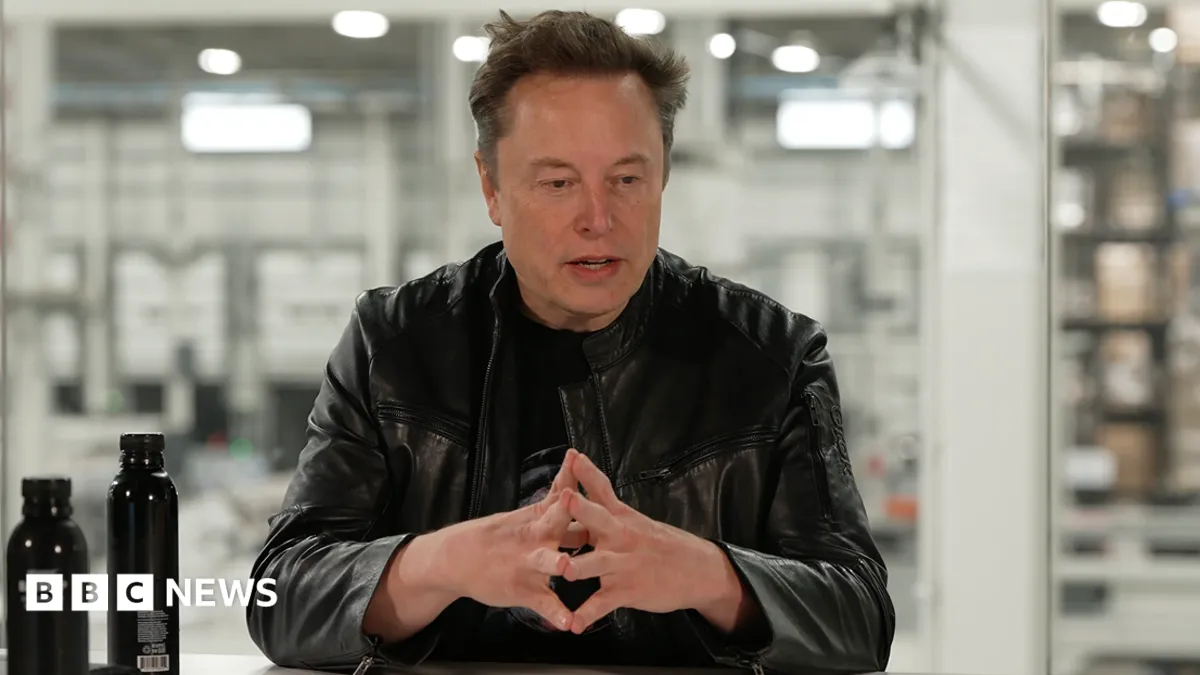
Musk weighs Tesla-SpaceX mega-merger as boards form review panels
Special committees at both companies will examine a tie-up that could fuse electric vehicles and space launch, forcing a fresh look at governance and valuation.