

Shanghai Film Festival crowns first-time directors to back Asia’s rising filmmakers
Major awards target newcomers, while industry initiatives keep young directors moving from script to screen.
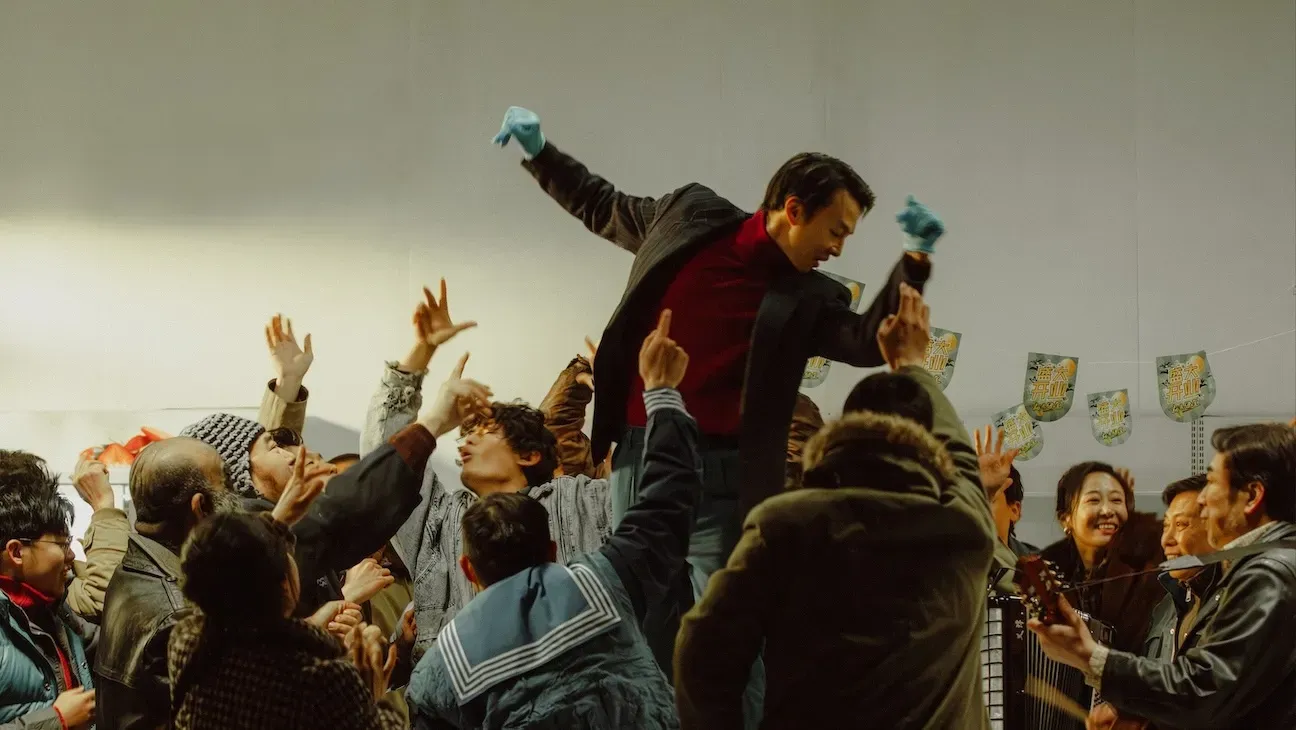
The Shanghai Film Festival is giving major awards to first-time filmmakers, signaling a deliberate push to find Asia's rising stars. For decision-makers, that creates a clear playbook for how festivals and industry bodies can de-risk new voices and accelerate film production.
The Shanghai Film Festival is putting its money, literally and culturally, behind first-time filmmakers. Major awards are going to newcomers, and the festival is pairing that spotlight with industry initiatives aimed at getting young directors from early development to films that actually reach audiences.
Why that matters is simple: awards are not just trophies in this world. They are a market signal. When a major festival directs its highest visibility to first-time directors, it tells investors, distributors, production partners, and talent agencies that the next wave of screen talent is not limited to “safe” incumbents. It also tells young creators that the gate is not purely about pedigree. In other words, the festival is using its platform to compress the usual time between “promising” and “fundable,” and it is doing it in a way that can ripple across Asia’s broader film pipeline.
This is the kind of strategy that executives understand instinctively, even if they do not track festival lineups for sport. Film is a high-variance business. A debut can become a breakout hit or a one-off misread by the market. Traditional risk management often pushes back against first-timers, because track records are easier to underwrite. A festival that rewards first-time directors changes the information environment. It provides third-party validation that can lower perceived uncertainty for later stakeholders. That is the core of the play: not that every debut will be a smash, but that the odds shift when reputable institutions publicly endorse emerging voices.
There is also an industry mechanics layer here. Festivals increasingly function like deal ecosystems, even when they look like culture events. When major awards cluster around debut work, they tend to attract downstream attention: media coverage, buyer curiosity, and more meetings with production and financing teams. The Shanghai Film Festival’s approach, as described, is not only about ceremony. It is also about continuity through initiatives that help young directors get films made. That second part is crucial. A festival can hand out awards and still fail creators if production realities do not cooperate. Initiatives that support getting films made address that gap.
For boards and leadership teams at studios, production companies, and distributors, this creates a new kind of strategic planning input. It suggests a pipeline thesis: talent development can be treated as part of your commercial strategy, not only your brand strategy. If festivals are actively surfacing and supporting first-time filmmakers, partners in the ecosystem will likely recalibrate where they spend attention. That means earlier involvement in script development, more structured scouting for debut-ready talent, and tighter collaboration with industry initiatives that can provide production momentum.
There is a regulatory and institutional context as well, even when the source does not spell out specific policy instruments. In markets across Asia, filmmaking is commonly shaped by a mix of cultural priorities and regulatory frameworks that influence what gets produced, how it is distributed, and which content is permitted to travel. In that environment, industry initiatives that help young directors get films made are not just “nice to have.” They can operate as translation layers between creative intent and the practical constraints of production and release. When those constraints are navigated effectively, the result is not only more completed films. It is also a smoother path for audiences to encounter new voices.
The second-order implication is that the festival’s commitment to a new generation can reshape who gets funded and when. If the Shanghai Film Festival keeps elevating first-time directors, production partners may start acting earlier, backing projects that are still in early form rather than waiting for proof of concept. That can benefit creators, but it also increases the need for robust development processes. Boards that oversee content portfolios will want to understand where financing risk shifts. In a world where festivals are actively de-risking debut talent, the “risk premium” may move from talent selection to execution support. Operational excellence, packaging, distribution readiness, and audience positioning become even more important because they determine whether a supported debut turns into a sustained career.
Ultimately, the Shanghai Film Festival’s signal is competitive. It is not only about winning attention in a single year. It is about building an end-to-end pipeline where first-time filmmakers can be discovered, developed, and produced. For executives and decision-makers in adjacent roles, the strategic stakes are clear: if your company waits for certainty that the market does not yet reward, you may arrive late to the moment when the next generation is being formed. The festival is showing that you can use awards and initiatives together to change that timing, and that is the kind of ecosystem move that tends to echo beyond the screen.
This story's Key Insights and Take-aways are locked.
Create a free account to unlock Executive Actions for one credit.
Register to UnlockAlways free for Executives Club members. Join the Club
More in Entertainment

Russell Brand's accuser 'bewildered and confused' as he denies 7 sex charges
The criminal case against the comedian is a live test of how media companies manage talent risk when serious allegations go public.

'It's a Magic Trick': Ballet Experts Say Rosalía's SNL Pose Is Impossible
Three ballet experts tell Rolling Stone Rosalía's gravity-defying SNL stillness shouldn't be possible - and why the debate is now part of the show.

Activision CMO: GTA 6 Will Boost Call of Duty, Not Bury It
Activision's top marketer says Rockstar's blockbuster will drive players back to consoles and into Modern Warfare 4, even as the company admits its recent strategy failed.